
 EN
EN
 AR
AR
 HR
HR
 DA
DA
 NL
NL
 FI
FI
 FR
FR
 DE
DE
 EL
EL
 HI
HI
 IT
IT
 JA
JA
 KO
KO
 NO
NO
 PL
PL
 PT
PT
 RO
RO
 RU
RU
 ES
ES
 SV
SV
 TL
TL
 IW
IW
 ID
ID
 LT
LT
 SR
SR
 VI
VI
 SQ
SQ
 HU
HU
 TH
TH
 TR
TR
 AF
AF
 MS
MS
 GA
GA
 BN
BN
 HA
HA
 IG
IG
 MR
MR
 NE
NE
 YO
YO
 MY
MY
How Does an Empty Tin Can Palletizer Work?
If you've ever watched empty cans come off a can-making line, you know they're light, thin-walled and easy to dent, so stacking them by hand is slow and risky for the product. An empty can palletizer solves that by building pallets automatically, layer by layer, without a single manual touch. This article walks through how an automated can palletizer actually works, step by step, and what separates a good can palletizer machine from a mediocre one. Hubei Baoli Technology Co., Ltd. has built palletizing and can-line equipment since 2011, and our founder has worked in this industry since 2003.
The Basic Job of a Can Palletizer
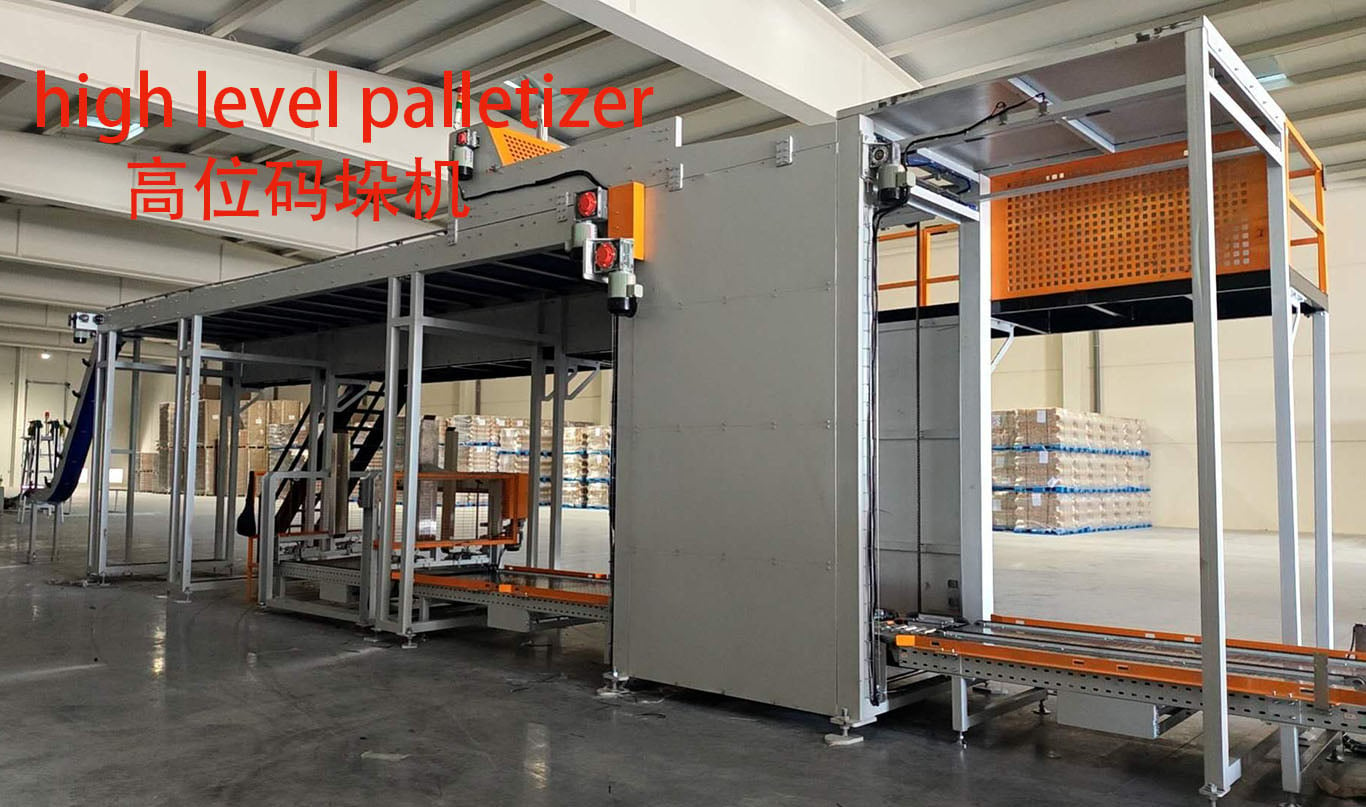
A tin can palletizer takes empty cans arriving on a conveyor, arranges them into a stable layer pattern, and stacks those layers onto a pallet with separator sheets in between. The goal is simple to state but hard to execute at speed: build a tall, tight, undamaged stack, fast enough to keep up with the can-making line behind it.
Step-by-Step: How the Process Works
- Can infeed. Cans arrive from the can-making or coating line on a conveyor, usually already grouped or in single file, moving at line speed.
- Layer forming. The machine arranges cans into rows and then a complete layer, matching the pallet pattern that has been programmed for that can size. This is where a layer palletizer for cans does its main work, guiding cans into position without denting the body or flange.
- Layer transfer. Once a full layer is formed, it is lifted or pushed as a single unit onto the pallet stack. A robotic can palletizer may instead use an arm with a wide gripper to place each layer, which adds flexibility for switching can sizes.
- Tier sheet placement. A tier sheet (a thin separator board) is placed on top of each layer before the next one is built. This keeps layers from shifting and protects can flanges from the layer above, which matters especially for a three piece can palletizer handling seamed can bodies.
- Pallet indexing. The pallet, or the lifting table beneath it, lowers slightly after each layer so the next layer is always formed at the same working height.
- Full pallet discharge. Once the programmed layer count is reached, the finished pallet moves out, usually toward strapping or stretch wrapping, while an empty pallet is fed in to start the next stack.
- Pattern and recipe control. The whole sequence, layer pattern, tier sheet timing and pallet height, is controlled by a recipe stored in the machine, so switching can sizes is a matter of selecting a different program rather than rebuilding the machine.
Layer-Type vs. Robotic: Two Ways to Do the Same Job
| Type | How It Works | Best For |
|---|---|---|
| Layer-type can line palletizer | Forms and moves a full layer at once | High-speed, single or limited can sizes |
| Robotic can palletizer | Picks and places with an articulated arm | Multiple can sizes, frequent changeovers |
Both count as an automatic can handling system once you include the infeed conveyor, layer former and pallet handling working together. The right choice depends on your speed and how many can formats you run.
What Makes a Good Empty Can Palletizer
- Gentle handling: minimal drop height and controlled guides to avoid dents and scratches.
- Speed matched to your line: the palletizer should never be the bottleneck. Our equipment is designed to support can lines running up to 600 cans per minute (cpm), so the palletizer has to keep pace with that output.
- Reliable tier sheet feeding: a jammed or skipped tier sheet causes unstable pallets and stoppages.
- Fast changeover: quick pattern switching if you run more than one can size.
- Solid integration: it needs to work smoothly with the conveyor feeding it and the strapping or wrapping station after it.
As a simple illustration: at 600 cpm, if one layer holds 300 cans, the palletizer needs to complete a layer roughly every 30 seconds without falling behind. Your actual layer size and can dimensions will change this number, so it should be checked against your specific line.
Choosing Among Can Palletizer Manufacturers
When comparing can palletizer manufacturers, ask for more than a top speed figure. Request reference data on damage rates, changeover time between can sizes, and how the machine integrates with your existing conveyors. A supplier with can-line experience, not just general palletizing experience, will understand why thin-walled empty cans need different handling than filled cases.
About Hubei Baoli Technology Co., Ltd.
Our founder entered the industry in 2003 and established Baoli in 2011. With more than twenty years of accumulated experience, we supply equipment for both sides of can production. For can-making lines, we provide production and palletizing/packaging equipment. For canning and filling lines, we provide conveying equipment, depalletizers and palletizers to move cans in and finished pallets out.
Our core focus is food and beverage, particularly tinplate three-piece can manufacturing lines and canned food and beverage filling lines, where we help customers move to more efficient, energy-saving production. We keep refining our technology to match each customer's specific requirements as closely as possible.
Frequently Asked Questions
What is the difference between a layer palletizer and a robotic palletizer for cans?
A layer palletizer moves a full layer of cans at once and suits high, steady speeds. A robotic palletizer picks and places with an arm, which is more flexible for switching between can sizes.
Why do empty can palletizers use tier sheets?
Tier sheets separate each layer, preventing cans from shifting and protecting flanges from the weight of the layer above.
How fast can a can palletizer run?
It depends on the machine and can size. Ours are built to support can lines running up to 600 cpm, but actual palletizer throughput should be confirmed against your specific can dimensions and pallet pattern.
Do you supply the whole canning line?
No. We supply specific equipment, such as palletizers, depalletizers and conveying systems, designed to integrate with the rest of your line.
Final Thoughts
An empty can palletizer works through a repeatable sequence: infeed, layer forming, tier sheet placement, indexing and discharge, all controlled by a stored recipe. The details of how well each step is executed determine whether you get a fast, stable pallet or a slow one with dented cans. To talk through your can line requirements, contact Hubei Baoli Technology Co., Ltd. for a tailored recommendation.
Read more article to know more can making industry information here:https://www.baoli-hubei.com/blog/low-level-vs-high-level-palletizer
View more video from our youtube channel:https://youtube.com/shorts/HFzPwPZl96U?is=u1xtnlZDZVPUzxhs