
 EN
EN
 AR
AR
 HR
HR
 DA
DA
 NL
NL
 FI
FI
 FR
FR
 DE
DE
 EL
EL
 HI
HI
 IT
IT
 JA
JA
 KO
KO
 NO
NO
 PL
PL
 PT
PT
 RO
RO
 RU
RU
 ES
ES
 SV
SV
 TL
TL
 IW
IW
 ID
ID
 LT
LT
 SR
SR
 VI
VI
 SQ
SQ
 HU
HU
 TH
TH
 TR
TR
 AF
AF
 MS
MS
 GA
GA
 BN
BN
 HA
HA
 IG
IG
 MR
MR
 NE
NE
 YO
YO
 MY
MY
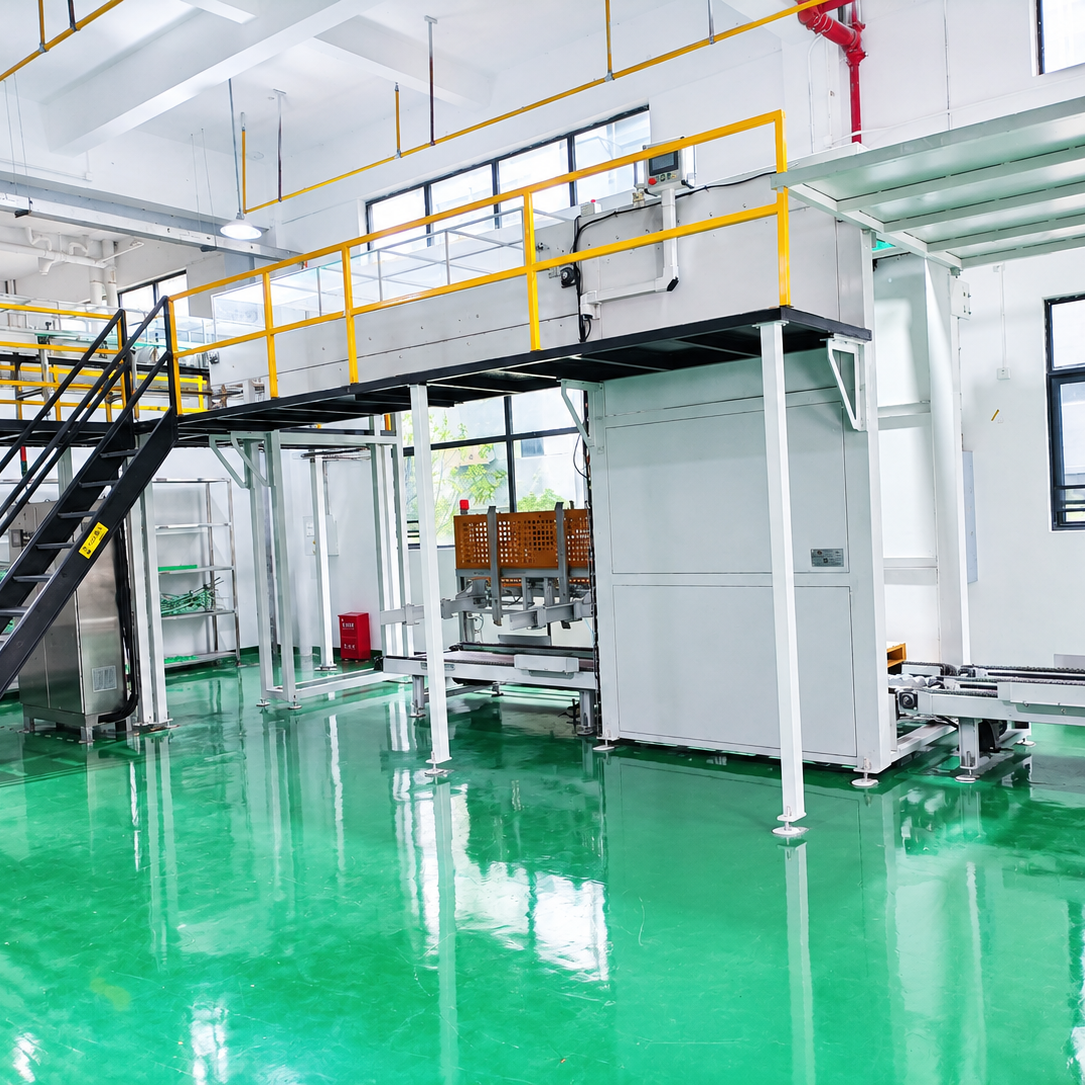
Automated Can Depalletizer for Canning Lines
Before a single can gets filled, it has to come off the pallet first, and that step causes more downtime than most plants expect. An empty can depalletizer takes stacked cans off incoming pallets and feeds them onto the line automatically, and a well-built canning line depalletizer does it gently enough that thin-walled cans arrive undamaged. Together with the conveying equipment around it, this is what people mean by an automatic can handling system. Hubei Baoli Technology Co., Ltd. has supplied depalletizing, conveying and palletizing equipment for can lines since 2011, and our founder has worked in this industry since 2003. Here's how automated can depalletizing works and what to check before you buy.
What Does a Can Depalletizer Do?
A can depalletizer removes layers of empty cans from a pallet, separates the tier sheets, and releases cans onto a conveyor in a controlled, even flow. This replaces manual unstacking, which is slow, physically demanding, and a common source of dented or scratched cans. Most systems fall into two categories:
- Layer-type depalletizers, which lift and lower a whole layer at once, well suited to high-speed, single-format lines.
- Robotic depalletizing cells, which pick layers or groups of cans with a programmable arm, better suited to plants running several can sizes.
Both are examples of an automated depalletizer, and both aim to keep cans moving at line speed without gaps or damage.
Why Canning Lines Need This Step Automated
- Speed: a manual unstacking station is almost always the slowest point at can infeed.
- Can damage: empty cans are thin-walled and easy to dent; automated handling reduces the number of touches.
- Labor: unstacking is repetitive and physically hard work, and it's difficult to staff consistently.
- Consistency: an automatic can handling system feeds cans at a steady rate, which keeps the filler and seamer running smoothly instead of starting and stopping.
Matching the Depalletizer to Your Line
| Situation | Typical Solution | Why It Fits |
|---|---|---|
| High-speed, single can size | Layer-type can unstacking machine | Moves full layers quickly and gently |
| Multiple can sizes, frequent changeovers | Robotic depalletizing cell | Pattern and size changes by recipe |
| Tinplate cans, dent-sensitive product | Tin can depalletizer with tier sheet handling | Reduces flange and body damage |
A three piece can depalletizer needs to account for the seam and flange on tinplate cans, which is different from handling a smooth two-piece can. If your plant runs both, ask your supplier whether one machine can handle both formats or whether you need separate stations.
Sizing a Depalletizer for Your Canning Line
Line speed decides everything downstream. Our equipment is designed to support can lines running up to 600 cans per minute (cpm), so a depalletizer for a canning line has to be sized for peak demand, not the daily average.
As a simple illustration: if a pallet holds 14 layers of 300 cans each, that's 4,200 cans per pallet. At 600 cpm, one pallet lasts about seven minutes, so the depalletizer needs to swap pallets and keep feeding without creating a gap on the conveyor. Your own can size, layer count and pallet pattern will be different, so this should be calculated with your actual data.
Buyer's Checklist
- Line speed: peak cans per minute, with margin for startup and changeover.
- Can format: two-piece or three-piece, and which diameters you run.
- Pallet and layer pattern: including tier sheets and any pad handling.
- Changeover time: how long it takes to switch can sizes.
- Damage rate: ask for reference data on dent or scratch rates, not just speed claims.
- Integration: compatibility with your existing can conveyor system, filler and seamer.
- Footprint: robotic cells are more compact; layer machines need more clearance.
- Safety: guarding and controls appropriate to your local standards.
- Service: spare parts availability and remote technical support.
About Hubei Baoli Technology Co., Ltd.
Our founder entered the industry in 2003 and established Baoli in 2011. With more than twenty years of accumulated experience, we supply equipment on two sides of can production. For can-making lines, we provide equipment built for that process. For canning and filling lines, we provide conveying equipment, depalletizers and palletizers to handle empty cans in and finished pallets out.
Our core focus is food and beverage, particularly tinplate three-piece can manufacturing lines and canned food and beverage filling lines, where we help customers move to more efficient, energy-saving production. We keep refining our technology to match each customer's specific requirements as closely as possible.
Frequently Asked Questions
What is the difference between a depalletizer and a palletizer?
A depalletizer removes cans from pallets at the start of the process; a palletizer stacks finished product onto pallets at the end. Many canning lines need both.
Can one machine depalletize different can sizes?
Robotic depalletizing cells generally handle multiple sizes with a program change. Layer-type machines are usually set up for one or two formats.
Do you supply the whole canning line?
No. We supply specific equipment, including depalletizers, conveying systems and palletizers, designed to integrate with the rest of your line.
Final Thoughts
An automated can depalletizer removes one of the biggest bottlenecks at can infeed and protects cans from unnecessary damage before they're even filled. Match the machine to your can format, line speed and layout, and don't overlook integration with your existing conveyors. To talk through your line, contact Hubei Baoli Technology Co., Ltd. for a tailored recommendation.