Magnetic and Push-Type Can Depalletizers with Integrated Conveyor Systems for Efficient Empty Can Handling
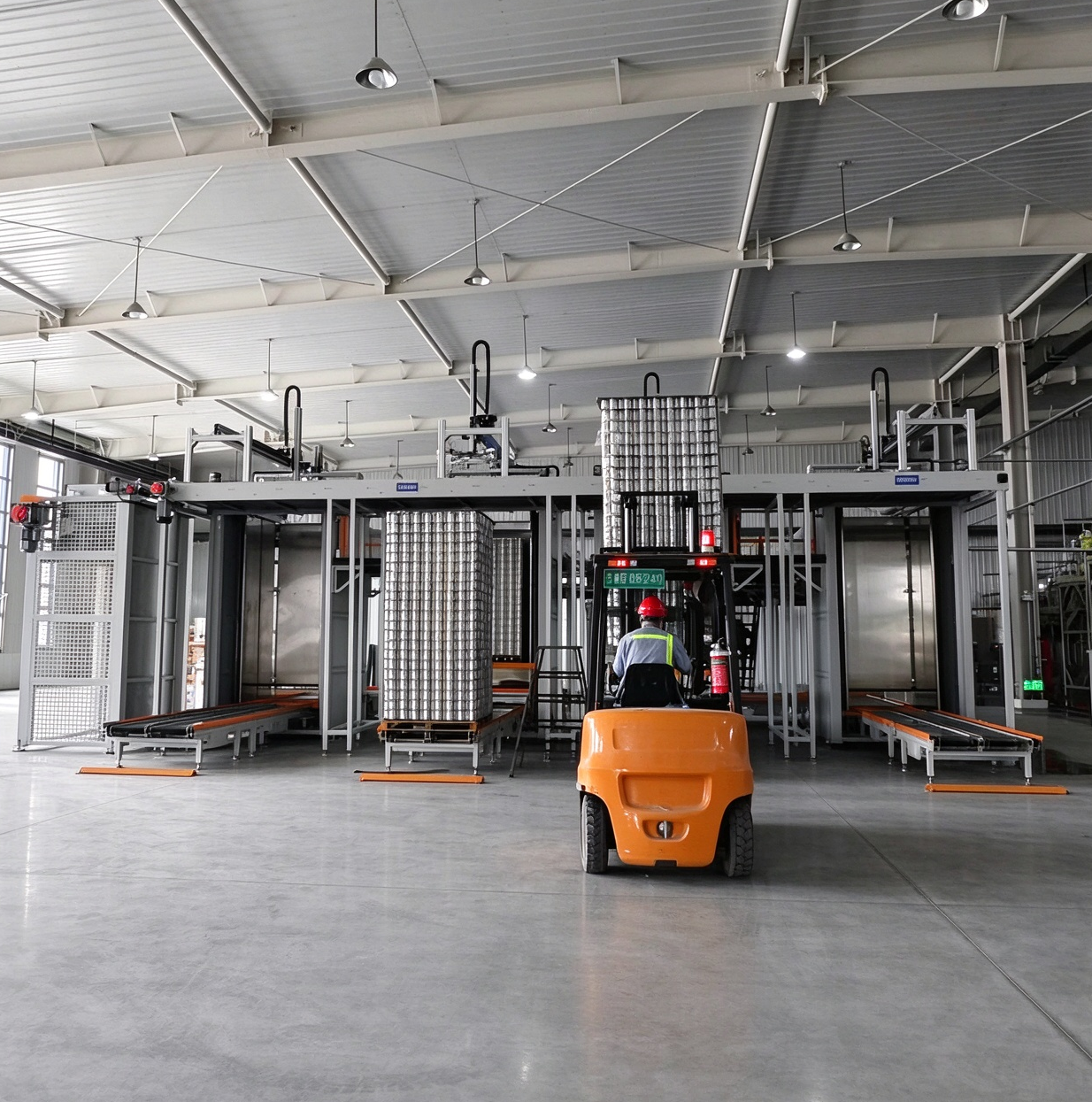
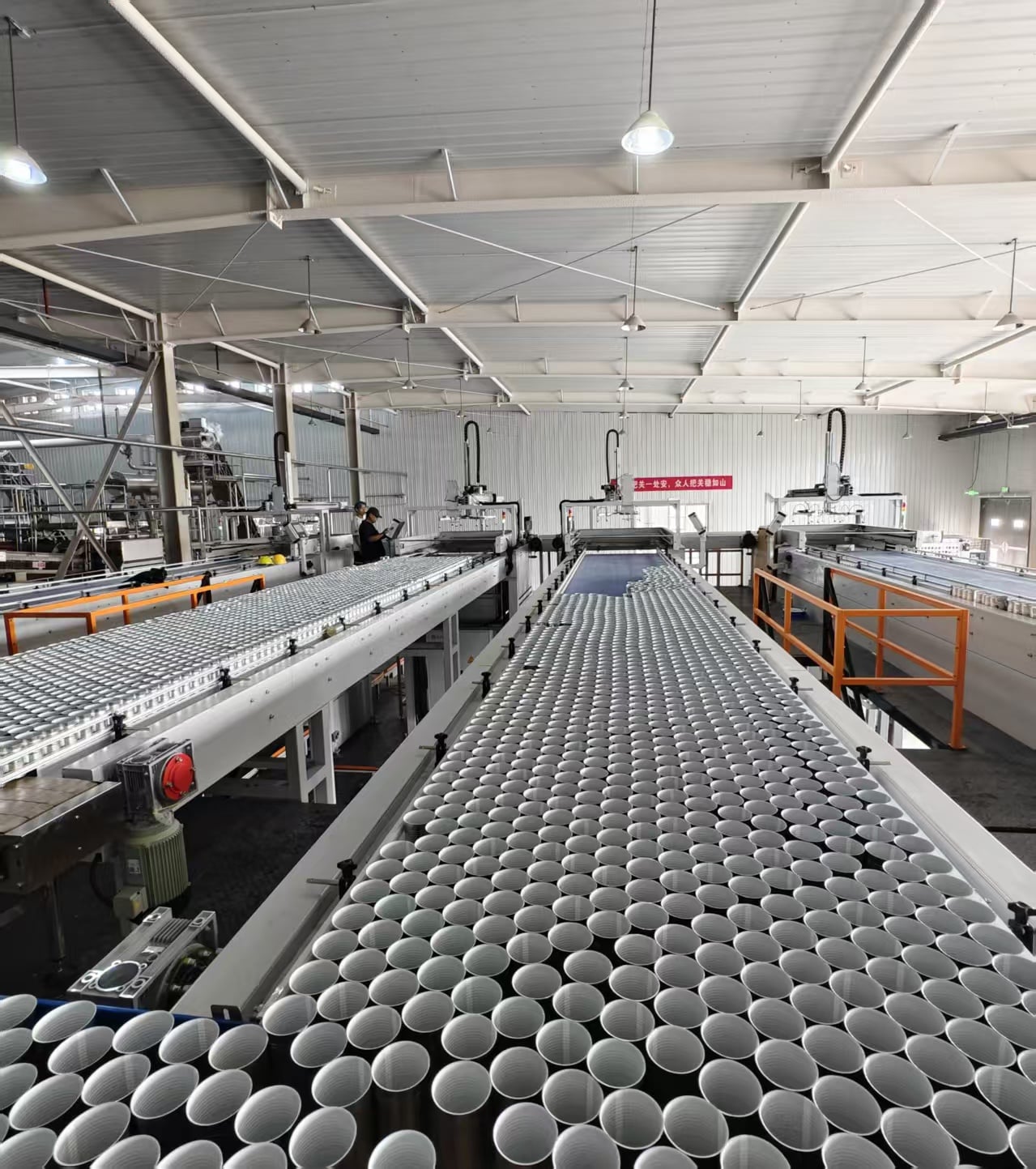
Baoli automatic empty can depalletizers are designed for the beginning of food and beverage canning lines, where empty cans need to be removed from pallets and continuously transferred to the next production process.
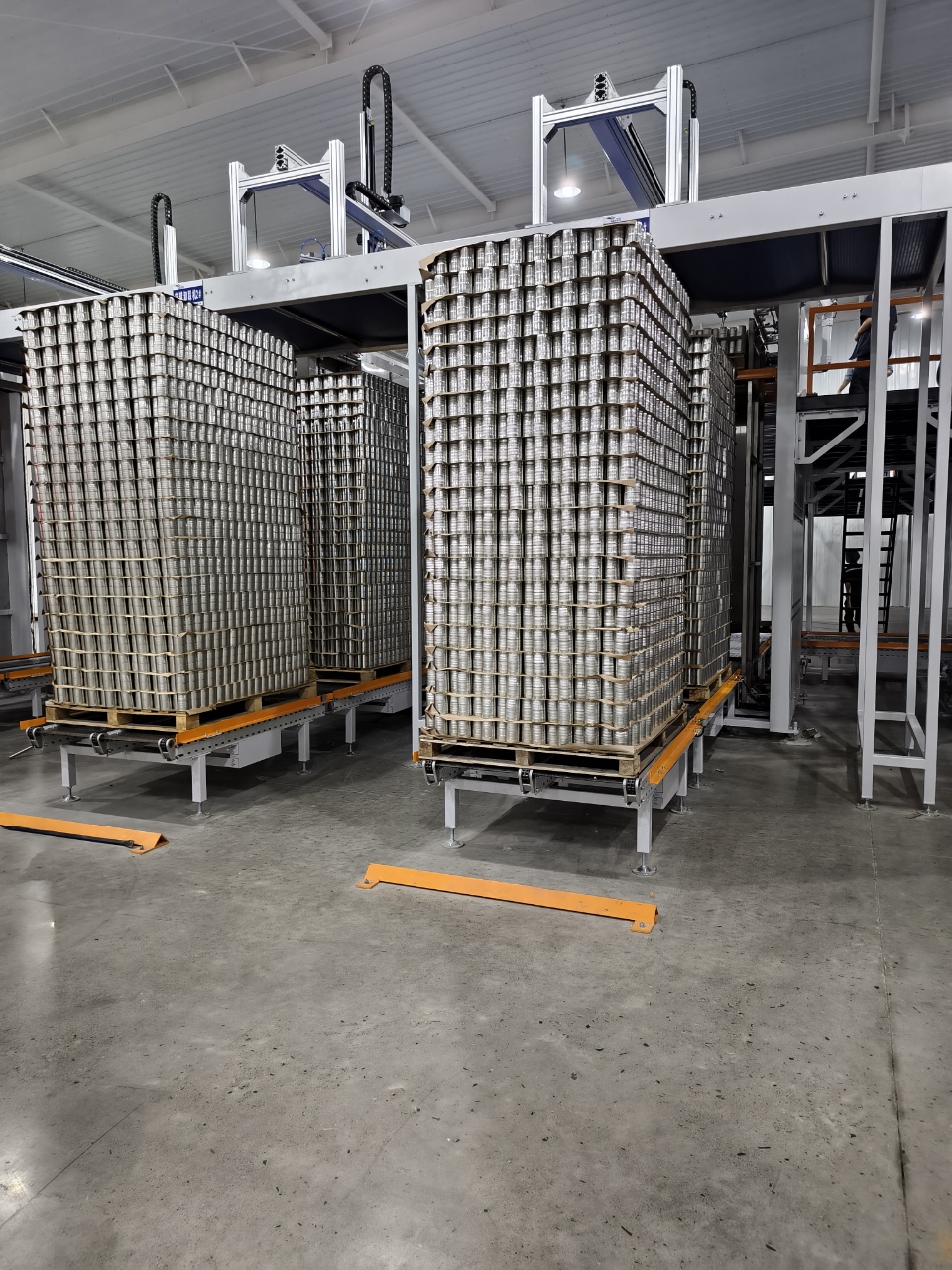
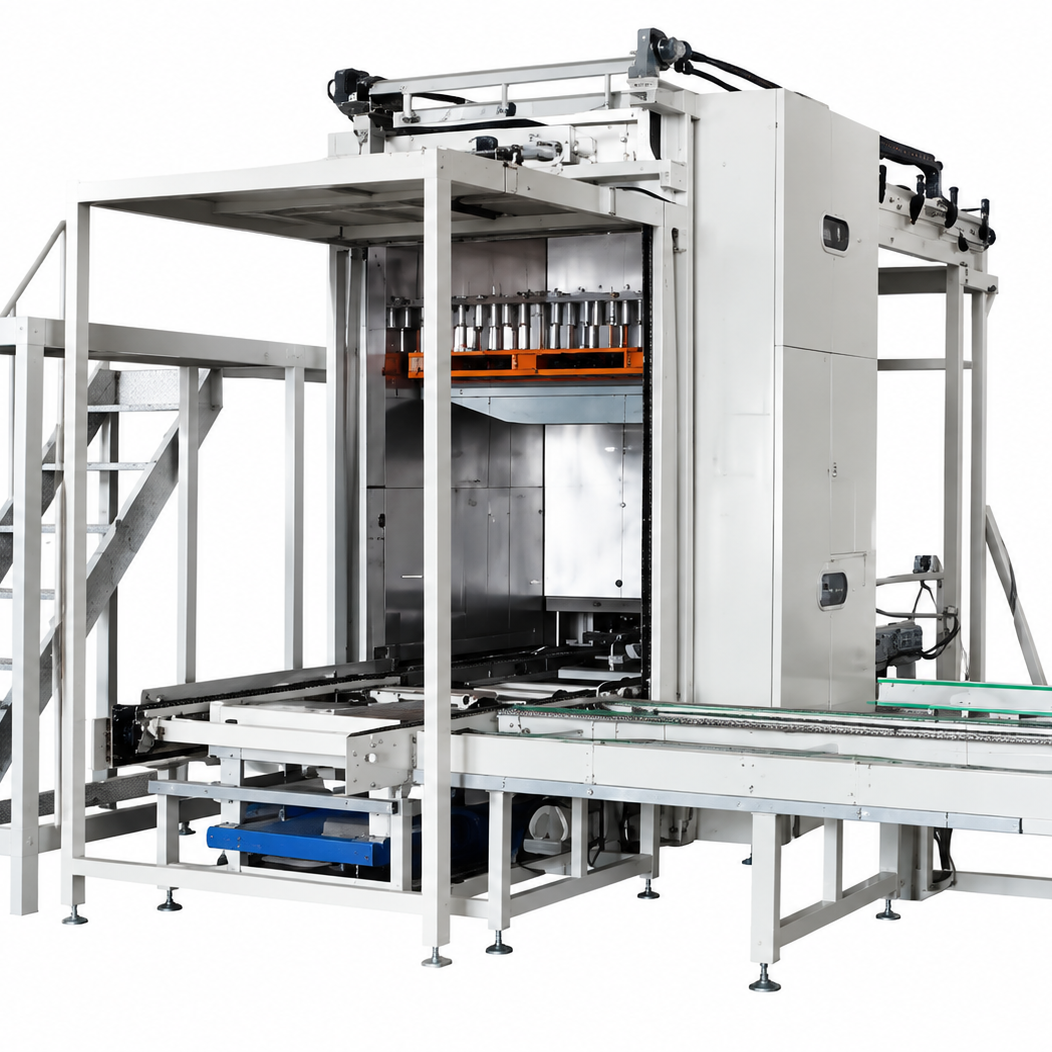
The depalletizer unloads empty cans layer by layer from the pallet and places them onto the can conveyor. Depending on the can material, production capacity and factory layout, customers can choose between magnetic and push-type depalletizing solutions.
A typical process is:
Palletized Empty Cans → Can Depalletizer → Can Conveyor → Filling / Canning Line
Baoli can also design the downstream conveyor system according to the customer's can type, production speed and factory layout.
Empty cans normally arrive at the production line stacked in multiple layers on pallets. Before filling or other downstream processes can begin, the cans need to be unloaded from the pallet and transferred into the conveying system.
Manual unloading can require significant labor and may not provide the continuous handling speed required by an automated canning line.
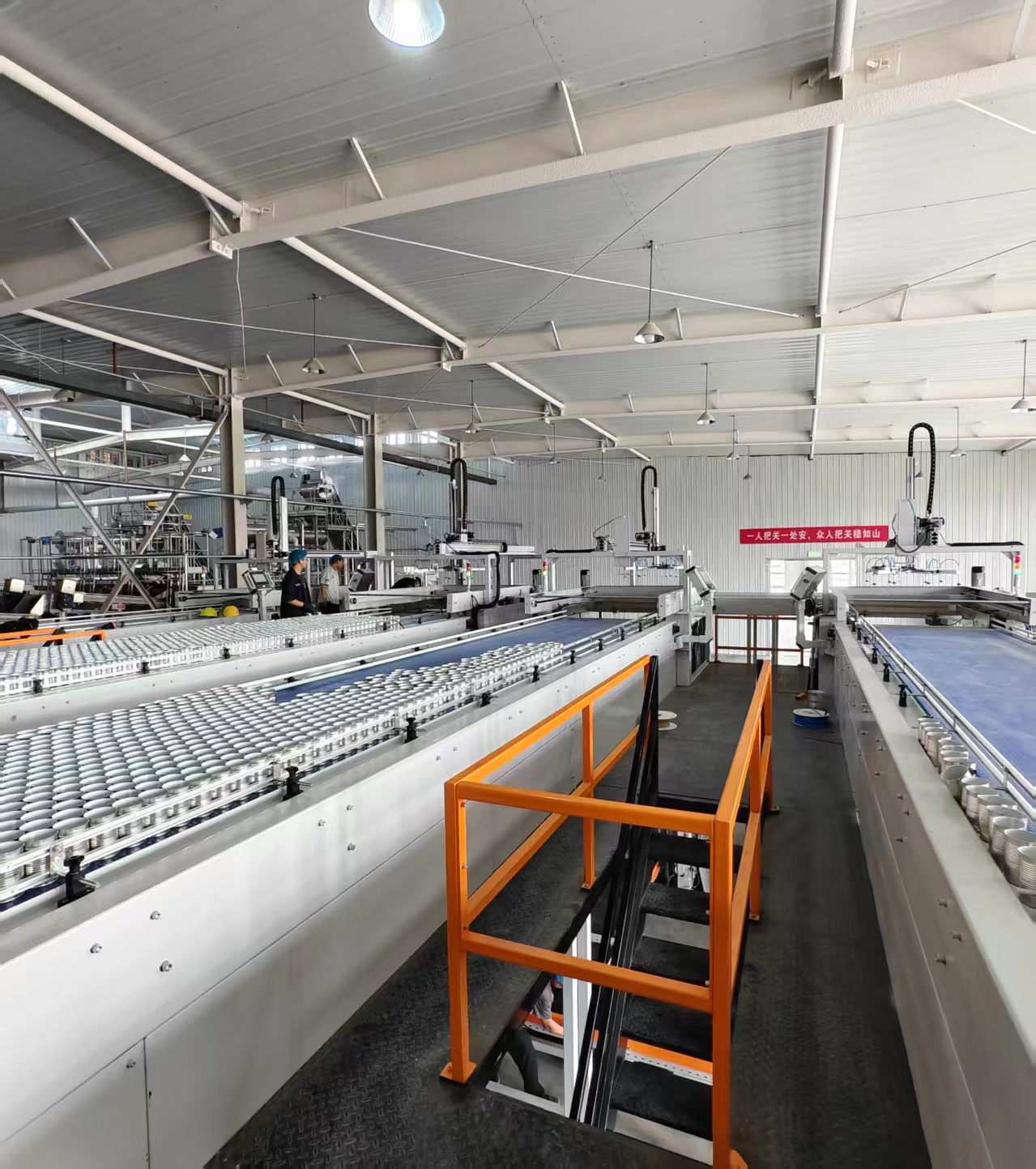
Baoli's automatic can depalletizers unload the cans layer by layer and transfer them to the conveyor system, helping create a continuous flow of empty cans toward the next production process.
The equipment can unload approximately 2–3 layers per minute, depending on the specific can and line configuration.
Palletized Empty Cans
↓
Automatic Can Depalletizer
↓
Empty Can Conveyor
↓
Filling / Seaming / Canning Process
The exact downstream equipment depends on the customer's production line.
Baoli offers two main depalletizing methods.
The magnetic depalletizer uses magnetic handling to pick up and transfer empty tinplate cans from the pallet.
It is suitable for tinplate cans, where magnetic handling can be used to move the cans from the pallet to the conveyor.
Typical process:
Tinplate Cans on Pallet → Magnetic Depalletizer → Conveyor
The magnetic system provides a fast and automated method for transferring tinplate cans into the canning line.
The push-type depalletizer uses a mechanical pushing method to move the cans from each pallet layer onto the conveyor.
Unlike magnetic handling, the push-type system can be used for both tinplate and aluminum cans, making it a flexible option when different can materials need to be handled.
Typical process:
Cans on Pallet → Push-Type Depalletizer → Conveyor
View the video for push style depalletizer from our youtube channel:
https://youtu.be/KEnGYJ3RnLo?is=QM1HFpefvVCqXYnd
The basic depalletizing process is designed to move cans from a pallet into a continuous conveyor flow.
A pallet loaded with empty cans is positioned at the depalletizing station.
The machine positions the required layer of cans for unloading.
The magnetic or push-type mechanism transfers the cans from the pallet layer.
The unloaded cans are placed onto the conveyor system.
The conveyor transports the empty cans toward the next production process.
The cans continue to the filling, seaming or other downstream equipment according to the customer's canning line.
The objective is simple:
Remove → Transfer → Convey → Continue Production
Production capacity is one of the most important considerations when selecting a can depalletizer.
Baoli's depalletizer can unload approximately 2–3 pallet layers per minute, depending on the can configuration and operating conditions.
This helps reduce manual pallet unloading and provides a continuous supply of empty cans to the downstream production line.
For high-volume food and beverage operations, stable can flow is especially important because the depalletizer and conveyor system need to keep pace with the filling and packaging process.
The depalletizer is only the beginning of the empty can handling process.
Once cans are unloaded from the pallet, they need to be transferred smoothly to the next production stage.
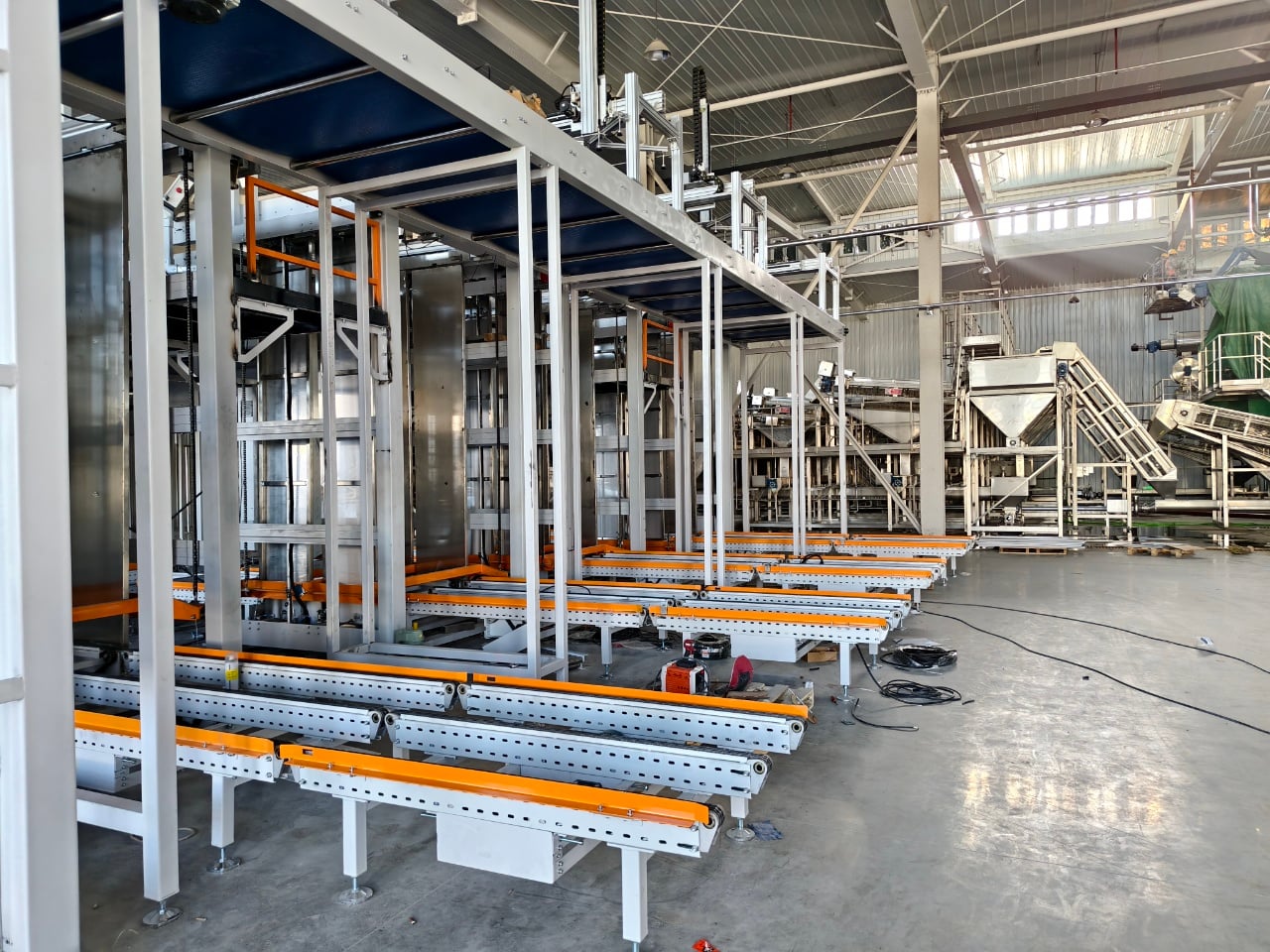
Baoli offers multiple conveyor configurations so the conveying system can be selected according to the customer's production requirements and factory layout.
Flexible chain conveyors can be used where the conveying route requires changes in direction or flexible layout arrangements.
Modular plastic chain conveyors provide a practical solution for continuous can conveying and can be configured according to the production line layout.
Stainless steel construction can be selected for applications where equipment hygiene, durability and easy cleaning are important considerations.
Chain conveyors can be configured for different conveying requirements and production layouts.
Gripper conveyors can be used when cans or containers need controlled handling and vertical or specialized conveying arrangements.
Roller conveyors can be used for suitable pallet or product transfer applications within the overall material handling system.
[Explore Can Conveyor Systems →]
The depalletizer and conveyor should not be considered as two completely separate machines.
The position where cans leave the pallet, the conveyor height, conveying direction, line speed and available factory space all affect the overall system design.
For this reason, Baoli can design the depalletizing and conveying system together.
A typical solution may look like:
Palletized Empty Cans
↓
Can Depalletizer
↓
Modular Plastic Chain Conveyor
↓
Flexible Chain Conveyor
↓
Filling / Canning Line
The actual conveyor combination depends on the customer's factory layout and production requirements.
The best depalletizing configuration depends on several factors.
For tinplate cans, both magnetic and push-type solutions can be considered.
For aluminum cans, a push-type depalletizer is suitable because aluminum cannot be handled by a magnetic unloading system.
Higher production requirements may require a suitable depalletizing speed and conveyor capacity.
Baoli's depalletizer can unload approximately 2–3 layers per minute, depending on the application.
The position of the pallet, depalletizer and conveyor needs to match the available floor space and the direction of the existing production line.
The conveyor type should be selected according to:
If the customer already has a filling or canning line, Baoli can design the depalletizer and conveyor interface around the existing equipment.
There is no single depalletizer configuration that fits every canning line.
Baoli can evaluate the customer's:
Based on these requirements, we can recommend the appropriate depalletizing method, conveyor type and overall material flow.
The goal is not simply to supply a depalletizer.
The goal is to create a practical empty can handling system that fits the customer's production line.
Customers can choose between magnetic and push-type depalletizers according to can material and application requirements.
The machine can unload approximately 2–3 layers per minute, helping reduce manual pallet handling.
Baoli can supply and integrate different conveyor types, including:
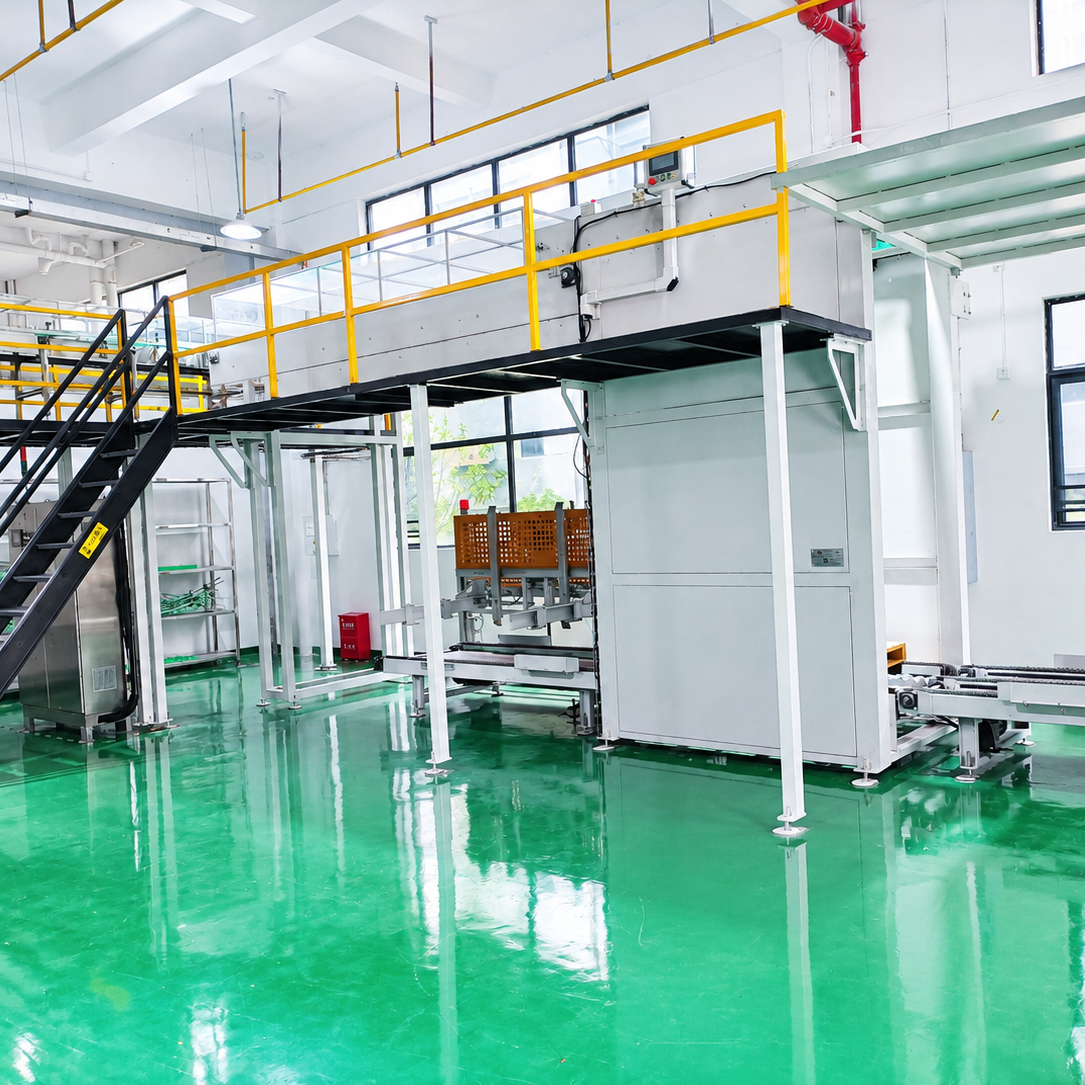
The equipment layout can be designed around your actual production line, available space, conveying height and required material flow.
Instead of treating the depalletizer and conveyor as separate machines, Baoli can design them as a connected empty can handling system.
A complete empty can handling solution can include:
Palletized Empty Cans
→ Can Depalletizer
→ Filling / Canning Line
The conveyor configuration can be customized according to the customer's production line.
For customers looking for a complete can handling solution, Baoli can also integrate additional conveying equipment to connect the depalletizer with the next process.
[Explore Can Conveyor System →]
Baoli empty can depalletizers are mainly used for empty can handling at the beginning of:
Important: This depalletizer is designed primarily for food and beverage canning/filling lines, rather than for the three-piece can manufacturing process itself.
An empty can depalletizer automatically removes cans layer by layer from pallets and transfers them to a conveyor for the next production process.
A magnetic depalletizer uses magnetic handling and is suitable for tinplate cans. A push-type depalletizer uses mechanical pushing and can be used for both tinplate and aluminum cans.
Baoli's depalletizer can unload approximately 2–3 layers per minute, depending on the can and line configuration.
Yes. A push-type depalletizer can be used for aluminum cans. Magnetic depalletizing is suitable for magnetic tinplate cans.
Baoli offers flexible chain conveyors, modular plastic chain conveyors, stainless steel conveyors, chain conveyors, gripper conveyors and roller conveyors. The appropriate conveyor depends on the can, production speed and factory layout.
Yes. Baoli can design the conveyor arrangement according to the customer's production line, available space, conveying direction and connection requirements.
Yes. The depalletizer and conveyor can be designed according to the interface and conveying requirements of an existing production line.
No. This equipment is mainly designed for food and beverage canning/filling lines, where empty cans are unloaded from pallets before entering the filling and downstream packaging process.
Tell us your can material, can dimensions, production capacity, pallet size and factory layout.
Baoli can recommend the appropriate magnetic or push-type depalletizer, together with a suitable conveyor system, to create an efficient empty can handling solution for your food or beverage canning line.
Copyright © Hubei Baoli Technology Co., Ltd. All Rights Reserved - Blog - Privacy Policy
 EN
 AR
 HR
 DA
 NL
 FI
 FR
 DE
 EL
 HI
 IT
 JA
 KO
 NO
 PL
 PT
 RO
 RU
 ES
 SV
 TL
 IW
 ID
 LT
 SR
 VI
 SQ
 HU
 TH
 TR
 AF
 MS
 GA
 BN
 HA
 IG
 MR
 NE
 YO
 MY