
 EN
EN
 AR
AR
 HR
HR
 DA
DA
 NL
NL
 FI
FI
 FR
FR
 DE
DE
 EL
EL
 HI
HI
 IT
IT
 JA
JA
 KO
KO
 NO
NO
 PL
PL
 PT
PT
 RO
RO
 RU
RU
 ES
ES
 SV
SV
 TL
TL
 IW
IW
 ID
ID
 LT
LT
 SR
SR
 VI
VI
 SQ
SQ
 HU
HU
 TH
TH
 TR
TR
 AF
AF
 MS
MS
 GA
GA
 BN
BN
 HA
HA
 IG
IG
 MR
MR
 NE
NE
 YO
YO
 MY
MY
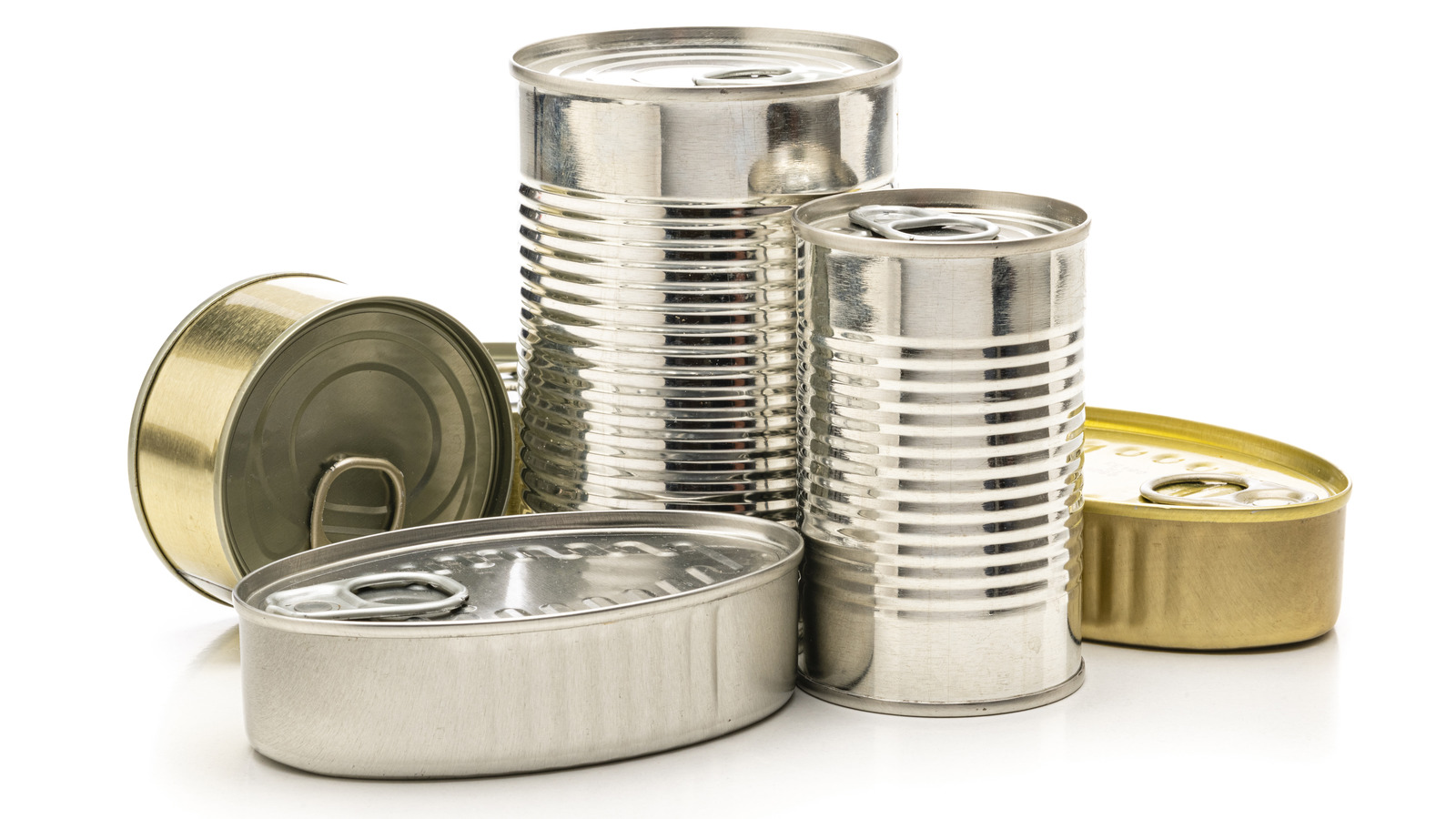
Introduction to 3-Piece Can Production Lines
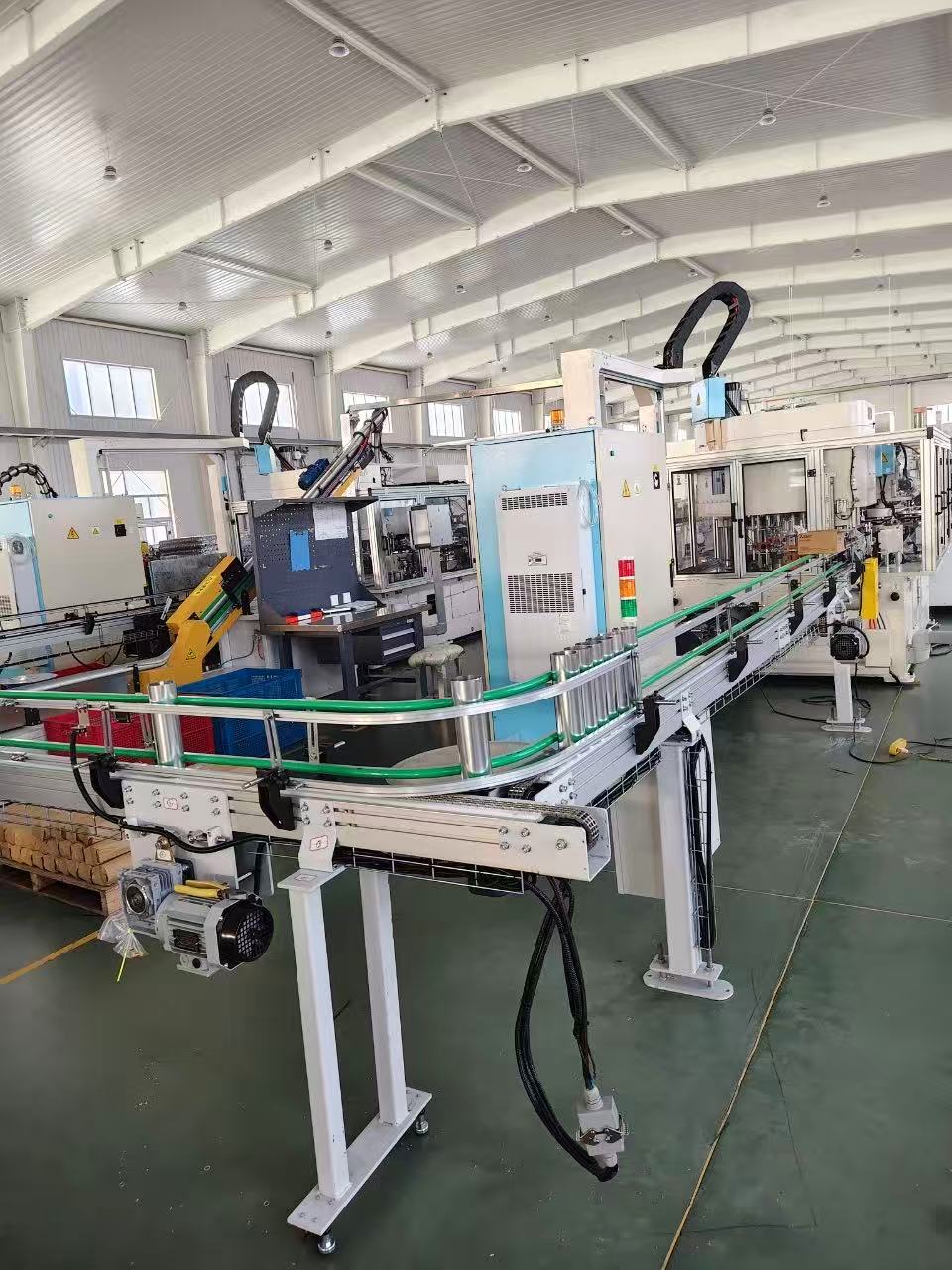
https://youtube.com/shorts/9O4ppdVlpgY?is=nTCtZQbG3gpDD7a4
The global demand for metal packaging continues to grow across industries such as food, beverages, chemicals, paints, aerosols, and industrial products. As manufacturers seek higher production efficiency and better product quality, the 3-piece can production line has become one of the most important production systems in the metal packaging industry.
A modern 3-piece can production line combines precision forming technology, automated conveying systems, palletizing equipment, and intelligent packaging solutions to produce high quality cans while reducing labor costs and operational risks.
In this article, we will explore how a 3-piece can production line works, the major production processes involved, common manufacturing challenges, and how automation solutions can help can manufacturers improve productivity and profitability.
What Is a 3-Piece Can Production Line?
A 3-piece can production line is a manufacturing system used to produce cans consisting of three separate components:
- Can body
- Top end
- Bottom end
The can body is formed from a rectangular metal sheet that is rolled into a cylindrical shape and welded along the side seam. After welding, both ends are flanged to allow attachment of the top and bottom lids.
Three-piece cans are widely used for:
- Food cans
- Powder containers
- Paint cans
- Chemical cans
- Aerosol cans
- Industrial packaging containers
Compared with two-piece cans, three-piece cans offer greater flexibility in size, diameter, and height, making them ideal for a wide range of packaging applications.
Main Processes in a 3-Piece Can Production Line
A typical 3-piece can production line consists of several key stages.
Sheet Feeding and Preparation
Metal sheets are automatically fed into the production system and prepared for body forming.
Precision feeding is critical because even small positioning errors can affect welding quality and final can dimensions.
Can Body Forming
The metal sheet is rolled into a cylindrical shape through forming equipment.
Accurate forming ensures:
- Consistent can dimensions
- Stable seam alignment
- Reduced material waste
- Improved welding quality
Side Seam Welding
The formed cylinder passes through an automatic welding machine where the side seam is welded.
This process determines the structural integrity of the finished can and directly impacts product reliability.
Coating and Drying
Protective coatings are applied to the welded seam to prevent corrosion and maintain food safety standards.
The coated cans then move through drying systems before entering the next production stage.
Flanging and Beading
Flanging creates edges for end attachment while beading strengthens the can body.
These processes improve:
- Structural stability
- Pressure resistance
- Transportation safety
Inspection and Quality Control
Automated inspection systems monitor:
- Weld quality
- Dimensional accuracy
- Surface defects
- Leakage performance
Defective products are automatically removed to ensure product consistency.
Conveying and Material Handling
After production, cans are transported through automated conveying systems for packaging and palletizing.
This stage is often overlooked but has a significant impact on overall production efficiency.
For more information about conveyor solutions, you can link to:
Internal Link: Automated Can Conveyor Systems
Palletizing and Packaging
Finished cans are automatically stacked, strapped, wrapped, and prepared for shipment.
Modern palletizing systems eliminate manual handling while improving warehouse efficiency.
Internal Link: Automatic Palletizing Systems for Can Manufacturing
Common Challenges in 3-Piece Can Production
Although can production technology has advanced significantly, manufacturers still face several challenges.
Labor Shortages
Many factories struggle to recruit and retain workers for repetitive handling and palletizing tasks.
Manual operations often create bottlenecks at the end of the production line.
Product Damage During Handling
Empty cans are lightweight and susceptible to:
- Deformation
- Scratches
- Dents
- Stack collapse
Improper handling can result in product loss and customer complaints.
Production Bottlenecks
Even when forming and welding equipment operate efficiently, downstream processes such as conveying and palletizing may limit overall line capacity.
Rising Operating Costs
Increasing labor expenses and production demands force manufacturers to seek automation solutions that improve efficiency and reduce dependence on manual labor.
How Automation Improves a 3-Piece Can Production Line
Automation has become essential for modern can manufacturers aiming to remain competitive.
At Hubei Baoli Technology Co., Ltd., we specialize in providing auxiliary equipment and automation solutions for can manufacturing plants worldwide.
Our systems help customers solve common production challenges while improving overall equipment effectiveness.
Automated Conveying Systems
Our conveyor systems provide smooth and reliable transportation of empty cans throughout the production process.
Benefits include:
- Reduced manual handling
- Improved production flow
- Lower risk of product damage
- Increased line efficiency
Our solutions include:
- Roller conveyors
- Magnetic conveyors
- Curved conveyors
- Customized conveying systems
Empty Can Palletizers
Palletizing is one of the most labor intensive stages in can manufacturing.
Our empty can palletizers automatically stack cans according to customer requirements, significantly improving productivity.
Available solutions include:
- Low-level magnetic palletizers
- High-level magnetic palletizers
- Rotary palletizers
- Robotic palletizers
Benefits include:
- Reduced labor costs
- Stable stacking quality
- Higher production efficiency
- Lower product damage rates
Robotic Material Handling Systems
Industrial robots can perform repetitive tasks with high precision and consistency.
Applications include:
- Product transfer
- Layer handling
- Automated loading and unloading
- End-of-line automation
Automatic Strapping and Wrapping Machines
Packaging quality directly impacts transportation safety.
Our automatic strapping machines and stretch wrapping systems help customers:
- Secure pallet loads
- Improve transportation stability
- Reduce packaging labor
- Enhance warehouse efficiency
Why Choose Hubei Baoli Technology Co., Ltd.?
Hubei Baoli Technology Co., Ltd. has been dedicated to automation equipment design, manufacturing, and system integration since 2011.
We are not simply an equipment supplier. We provide complete automation solutions for can manufacturing facilities.
Our advantages include:
- Extensive experience in can industry automation
- Customized engineering solutions
- Complete line integration capabilities
- Professional technical support
- Global project experience
- Reliable after-sales service
From conveying systems to palletizing, strapping, and wrapping equipment, we help manufacturers build efficient and intelligent production lines.
Future Trends in 3-Piece Can Production Lines
The future of the 3-piece can production line is moving toward greater automation and intelligent manufacturing.
Emerging trends include:
- Smart factory integration
- Real-time production monitoring
- Industrial robotics
- Automated quality inspection
- Predictive maintenance
- Energy-efficient production systems
Manufacturers that invest in automation today will be better positioned to improve productivity, reduce costs, and meet increasing market demand.
Conclusion
A modern 3-piece can production line is far more than a collection of forming and welding machines. Efficient conveying, material handling, palletizing, and packaging systems play a critical role in maximizing productivity and maintaining product quality.
By integrating advanced automation solutions, manufacturers can overcome labor shortages, reduce product damage, increase throughput, and improve profitability.
Hubei Baoli Technology Co., Ltd. provides comprehensive automation solutions for can manufacturing plants, including conveyor systems, robotic handling equipment, palletizers, automatic strapping machines, and stretch wrapping systems. Our goal is to help customers build smarter, safer, and more efficient production lines for long-term success.
https://www.baoli-hubei.com/blog/low-level-vs-high-level-palletizer