
 EN
EN
 AR
AR
 HR
HR
 DA
DA
 NL
NL
 FI
FI
 FR
FR
 DE
DE
 EL
EL
 HI
HI
 IT
IT
 JA
JA
 KO
KO
 NO
NO
 PL
PL
 PT
PT
 RO
RO
 RU
RU
 ES
ES
 SV
SV
 TL
TL
 IW
IW
 ID
ID
 LT
LT
 SR
SR
 VI
VI
 SQ
SQ
 HU
HU
 TH
TH
 TR
TR
 AF
AF
 MS
MS
 GA
GA
 BN
BN
 HA
HA
 IG
IG
 MR
MR
 NE
NE
 YO
YO
 MY
MY
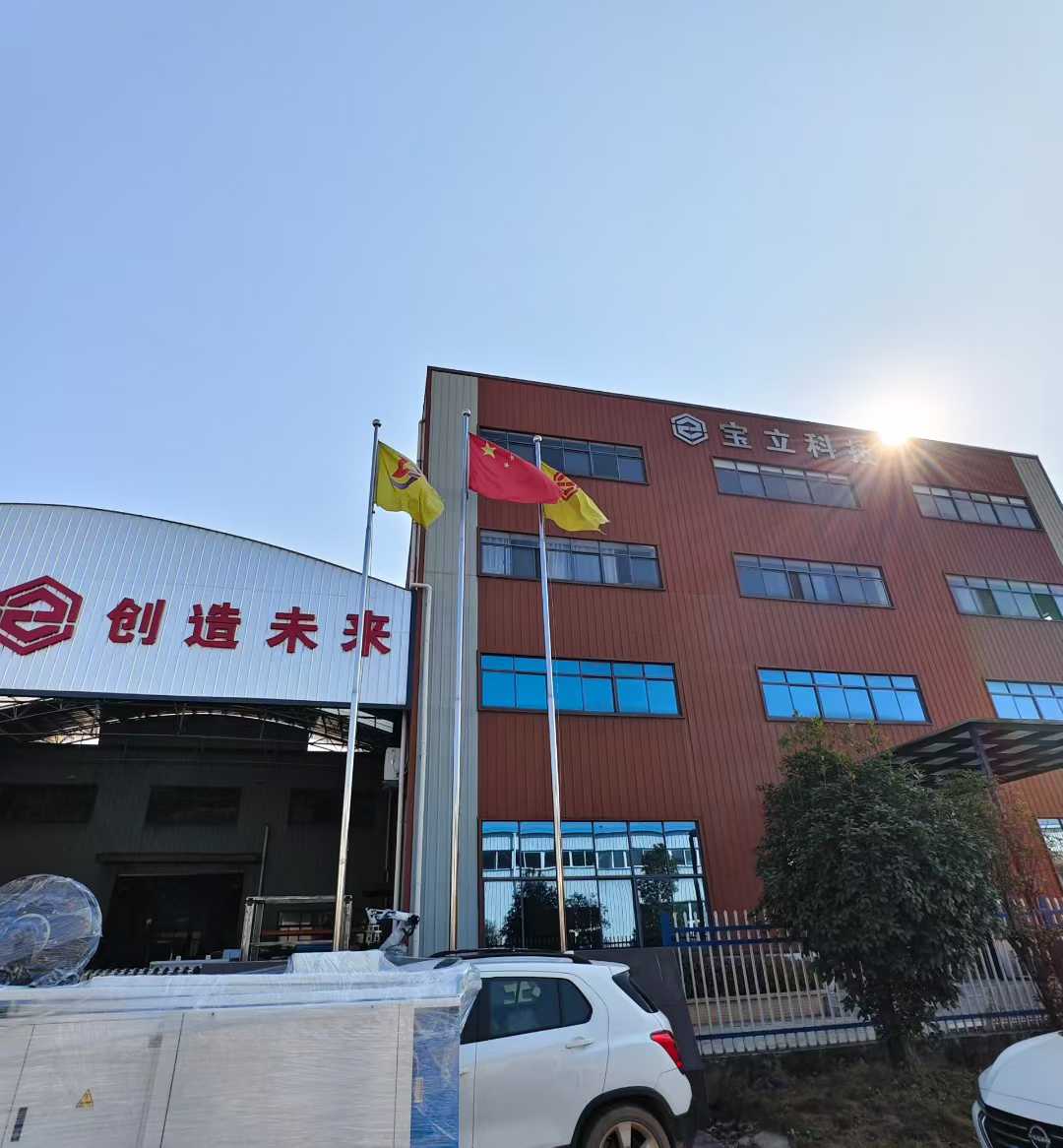
Why Modern Can Factories Need Automation
The global packaging industry is evolving rapidly, and can manufacturers are facing increasing pressure to improve efficiency, reduce costs, and maintain consistent product quality. Traditional manual operations are no longer sufficient to meet the demands of high speed production environments. As a result,
Learn more about our Automatic Palletizing Solutions
Automation Reduces Labor Costs and Dependency
Labor shortages have become a serious challenge for manufacturers worldwide. Recruiting and retaining skilled workers is becoming increasingly difficult, especially for repetitive and physically demanding tasks.
Automation helps reduce dependence on manual labor by replacing repetitive operations with intelligent equipment.
Tasks such as:
- Can conveying
- Can stacking
- Pallet handling
- Packaging
- Material transportation
can all be automated efficiently.
This not only lowers labor costs but also improves production stability. Automated systems can work continuously for long periods without fatigue, helping factories maintain consistent production schedules.
For large scale can factories, labor savings generated through automation can provide a significant return on investment over time.
Improved Product Quality and Consistency
Product quality is extremely important in the can manufacturing industry. Damaged cans, unstable stacking, or packaging defects can lead to customer complaints and financial losses.
Automated systems improve quality control by ensuring precise and repeatable operations.
For example:
- Automated conveying systems reduce scratches and deformation during transportation
- Robotic palletizers ensure stable and accurate stacking patterns
- Intelligent sensors detect production abnormalities in real time
- Automated packaging systems improve packaging consistency
By minimizing human error, can factory automation helps manufacturers maintain higher product standards and reduce waste.
Internal Link Suggestion:
Read more about Empty Can Palletizer Technology
Explore High Speed Can Handling Systems
Automation Enhances Workplace Safety
Traditional manual handling operations in can factories can expose workers to various safety risks.
Heavy lifting, repetitive movements, and high speed production environments increase the likelihood of workplace injuries.
Automation significantly improves factory safety by reducing direct human involvement in hazardous operations.
Examples include:
- Automated pallet handling
- Robotic loading and unloading
- Intelligent conveyor transportation
- Automatic wrapping systems
Safer working conditions not only protect employees but also help factories reduce accident related downtime and operational risks.
Smart Automation Supports High Speed Production
Modern beverage and food packaging markets require extremely high production speeds. Many can production lines now operate at thousands of cans per minute.
Manual operations cannot keep up with such demanding production rates.
Advanced can factory automation systems are specifically designed for high speed manufacturing environments. Automated equipment can synchronize seamlessly with production lines to maintain stable material flow and prevent bottlenecks.
This is especially important for:
- Beverage can factories
- Food can manufacturing plants
- Aerosol can production lines
- Metal packaging factories
High speed automation allows factories to increase output while maintaining operational reliability.
Data Monitoring and Intelligent Factory Management
Modern automation systems are no longer limited to mechanical operations. Today’s smart factories use advanced sensors, PLC controls, and intelligent monitoring systems to optimize production performance.
Automation enables real time data collection for:
- Equipment operating status
- Production speed
- Energy consumption
- Maintenance conditions
- Production efficiency
- Equipment alarms
This data helps factory managers make faster and more informed decisions.
Predictive maintenance systems can also identify potential equipment failures before they cause production downtime, reducing maintenance costs and improving operational reliability.
Internal Link Suggestion:
Discover Smart Factory Automation Solutions
Learn About Industrial Conveyor Automation
Energy Efficiency and Sustainable Manufacturing
Sustainability is becoming increasingly important in modern manufacturing industries.
Automated systems help reduce energy waste by optimizing machine operation and improving production efficiency.
Compared with outdated manual processes, modern automated equipment offers:
- Lower energy consumption
- Reduced material waste
- Improved equipment utilization
- More efficient production flow
Energy efficient automation solutions help can factories reduce operating costs while supporting environmental sustainability goals.
Automation Increases Global Competitiveness
The global can manufacturing market is highly competitive. Factories that rely heavily on manual labor often struggle to maintain profitability and production efficiency.
Automation helps manufacturers remain competitive by improving:
- Production capacity
- Product quality
- Delivery speed
- Operational stability
- Cost control
Factories with advanced automation systems are better positioned to serve international customers and adapt to changing market demands.
As more manufacturers adopt intelligent production technologies, automation is becoming a standard requirement rather than an optional upgrade.
Choosing the Right Automation Partner
Successful automation implementation requires reliable equipment and experienced technical support.
When selecting an automation supplier, manufacturers should consider:
- Industry experience
- Custom engineering capabilities
- Equipment reliability
- After sales support
- Installation and commissioning services
- System integration expertise
A professional automation partner can help design customized solutions based on specific production requirements and factory layouts.
About Our Can Factory Automation Solutions
Conclusion
The future of the can manufacturing industry depends heavily on automation. Modern factories must improve efficiency, reduce labor dependency, enhance product quality, and increase production reliability to remain competitive.
Can factory automation provides the foundation for smarter, safer, and more efficient manufacturing operations. From conveying systems to robotic palletizing solutions, automation technologies are helping can factories achieve higher productivity and long term operational success.
As production demands continue to increase, investing in automation is no longer just an option. It is a necessary step toward sustainable growth and global competitiveness in the can manufacturing industry.