
 EN
EN
 AR
AR
 HR
HR
 DA
DA
 NL
NL
 FI
FI
 FR
FR
 DE
DE
 EL
EL
 HI
HI
 IT
IT
 JA
JA
 KO
KO
 NO
NO
 PL
PL
 PT
PT
 RO
RO
 RU
RU
 ES
ES
 SV
SV
 TL
TL
 IW
IW
 ID
ID
 LT
LT
 SR
SR
 VI
VI
 SQ
SQ
 HU
HU
 TH
TH
 TR
TR
 AF
AF
 MS
MS
 GA
GA
 BN
BN
 HA
HA
 IG
IG
 MR
MR
 NE
NE
 YO
YO
 MY
MY
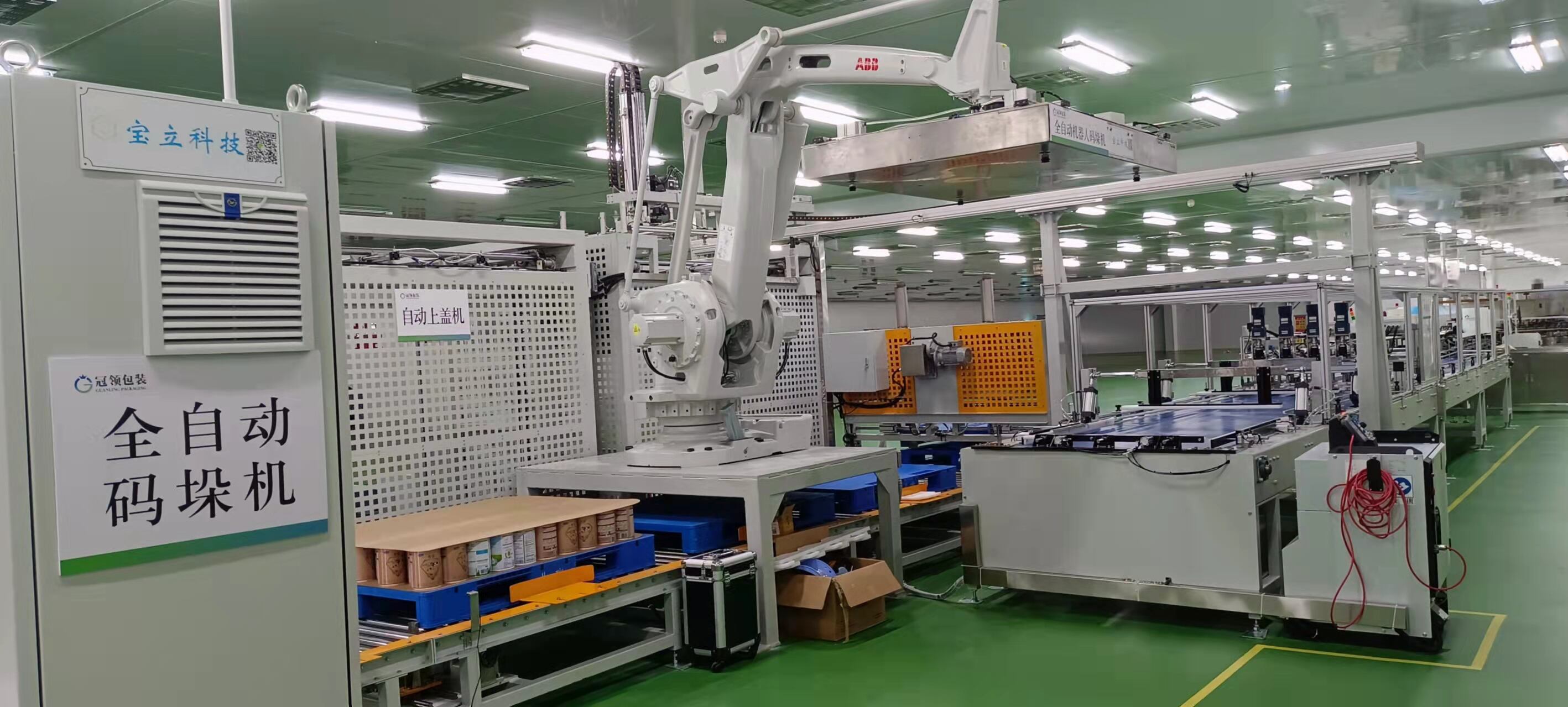
Inside a Modern Can Palletizer Manufacturing Factory
When can manufacturers invest in a new palletizing system, they are not simply purchasing a machine. They are choosing a long-term production partner.
A palletizer that runs reliably for years can improve efficiency, reduce labor costs, and support future production growth. On the other hand, poorly designed equipment can create downtime, maintenance issues, and unnecessary operating expenses.
This is why many buyers spend as much time evaluating the manufacturer as they do evaluating the machine itself.
So what happens inside a modern can palletizer manufacturer? What should can makers look for when selecting a reliable supplier?
Let's take a closer look.
It Starts With Understanding the Can Industry
Not all palletizers are built for the same products.
Palletizing cartons, bottles, bags, and empty tinplate cans requires completely different engineering approaches.
Empty cans are lightweight, easily deformed, and often move at very high production speeds. A palletizing solution that works well in another industry may not be suitable for a can production line.
This is one reason many manufacturers prefer working with a specialized can palletizer manufacturer that understands the challenges of can making.
At Hubei Baoli Technology Co., Ltd., our equipment is designed specifically for can manufacturing plants, allowing us to provide solutions that match the real operating conditions of our customers.
Every Project Begins With a Production Analysis
Before a machine is built, experienced engineers first study the customer's production requirements.
Questions typically include:
- What is the line speed?
- What type of cans are being produced?
- What pallet pattern is required?
- How much installation space is available?
- Are future capacity upgrades planned?
These factors determine the overall system design.
For example, a factory running a high-speed food can production line may require a different solution than a facility producing specialty industrial cans.
This customized approach helps ensure the equipment delivers the best possible performance after installation.
Manufacturing Quality Directly Impacts Reliability
One of the biggest differences between suppliers is manufacturing quality.
A professional palletizer manufacturer in China should not only provide competitive pricing but also maintain strict production standards.
Inside a modern manufacturing facility, every stage matters:
- Steel fabrication
- Mechanical assembly
- Electrical installation
- PLC programming
- System integration
- Performance testing
Attention to detail during manufacturing often determines how stable the machine will be years later.
For customers, reliability is often more valuable than simply achieving the lowest purchase price.
Factory Testing Is More Important Than Many Buyers Realize
Before equipment leaves the factory, it should undergo comprehensive testing.
A palletizer may look impressive in photos, but real performance can only be verified through operation.
Factory testing helps confirm:
- Smooth mechanical movement
- Accurate layer formation
- Stable pallet stacking
- Sensor functionality
- Safety system performance
Testing also reduces installation risks and shortens commissioning time once the equipment arrives at the customer's facility.
Many experienced buyers specifically ask for testing videos because they provide a realistic view of machine performance before shipment.
Modern Can Manufacturers Need More Than Just a Palletizer
Today's can plants are increasingly focused on complete automation rather than individual machines.
As labor costs continue to rise, manufacturers are looking for ways to automate material handling throughout the entire production process.
A palletizer is often only one part of a larger automation solution.
Many projects also include a can conveyor system that connects production equipment and ensures smooth product flow throughout the factory.
Automated conveying plays a critical role in reducing bottlenecks and maintaining consistent production speeds. If you're interested in this topic, you can also read our article on Automatic Conveyor Systems for Can Manufacturing Plants.
Many customers further integrate palletizers with robotic handling systems, automatic strapping machines, and stretch wrapping equipment to create a complete end-of-line automation solution.
Why More Can Makers Are Investing in Automation
The global can manufacturing industry continues to evolve.
According to the Can Manufacturers Institute (CMI), metal packaging remains one of the most sustainable packaging formats available today, encouraging ongoing investment in modern manufacturing technologies and production efficiency improvements.
Industry publication The Canmaker frequently highlights how automation is helping can manufacturers improve productivity, reduce labor dependency, and maintain product quality in increasingly competitive markets.
At the same time, PMMI, one of the leading packaging industry organizations, continues to report strong demand for automated material handling and palletizing systems across manufacturing sectors.
These trends show that automation is no longer limited to large multinational companies. More medium-sized can manufacturers are now investing in advanced automation equipment to remain competitive.
Why Many Global Buyers Choose a Palletizer Manufacturer in China
China has become one of the world's leading centers for automation equipment manufacturing.
For many international buyers, working with a qualified palletizer manufacturer in China offers several advantages:
- Strong manufacturing capabilities
- Flexible customization
- Competitive investment costs
- Fast production lead times
- Extensive export experience
However, successful projects depend on more than cost alone.
The most important factor is whether the supplier understands the customer's industry and can provide long-term technical support.
This is particularly important in can manufacturing, where production reliability directly affects profitability.
Hubei Baoli's Focus on Can Manufacturing Automation
Hubei Baoli Technology Co., Ltd. specializes in automation equipment for the can manufacturing industry.
Our product portfolio includes:
- Low-level magnetic palletizers
- High-level magnetic palletizers
- Rotary palletizers
- Robotic palletizers
- Can conveyor systems
- Robotic handling equipment
- Automatic strapping machines
- Fully automatic stretch wrapping machines
By combining these technologies, we help can manufacturers reduce labor requirements, improve production efficiency, and build more intelligent production facilities.
Customers looking for complete automation solutions often combine our palletizers with a full automatic palletizer for can making line system and customized conveying solutions to achieve higher levels of productivity.
Conclusion
Choosing the right can palletizer manufacturer involves much more than comparing machine specifications.
A reliable supplier should understand the can industry, provide customized engineering support, maintain high manufacturing standards, and deliver dependable after-sales service.
As a professional palletizer manufacturer in China, Hubei Baoli Technology is committed to helping can manufacturers improve efficiency through advanced automation solutions.
From conveying and handling to palletizing and packaging, our goal is to provide practical solutions that support long-term production success.
Learn more detail from facebook channel,https://www.facebook.com/share/v/18tJFUk8Qe/
Table of Contents
- It Starts With Understanding the Can Industry
- Every Project Begins With a Production Analysis
- Manufacturing Quality Directly Impacts Reliability
- Factory Testing Is More Important Than Many Buyers Realize
- Modern Can Manufacturers Need More Than Just a Palletizer
- Why More Can Makers Are Investing in Automation
- Why Many Global Buyers Choose a Palletizer Manufacturer in China
- Hubei Baoli's Focus on Can Manufacturing Automation
- Conclusion