
 EN
EN
 AR
AR
 HR
HR
 DA
DA
 NL
NL
 FI
FI
 FR
FR
 DE
DE
 EL
EL
 HI
HI
 IT
IT
 JA
JA
 KO
KO
 NO
NO
 PL
PL
 PT
PT
 RO
RO
 RU
RU
 ES
ES
 SV
SV
 TL
TL
 IW
IW
 ID
ID
 LT
LT
 SR
SR
 VI
VI
 SQ
SQ
 HU
HU
 TH
TH
 TR
TR
 AF
AF
 MS
MS
 GA
GA
 BN
BN
 HA
HA
 IG
IG
 MR
MR
 NE
NE
 YO
YO
 MY
MY
UK Beverage Can Warehouses Get a Boost with Advanced Palletizing Automation
Manual can palletizing is one of the hardest jobs to staff in a busy UK can warehouse, and one of the easiest places to lose product to dents and leaning pallets. Automated palletizing solves both problems. A full automatic palletizer builds tight, uniform pallets at the speed of your line, with no fatigue and no extra forklift shuffling. Hubei Baoli Technology Co., Ltd. has built equipment for can lines since 2011, and our founder has worked in this industry since 2003. This guide explains how can palletizing automation works and what UK buyers should check before investing.
What Is a Full Automatic Palletizer?
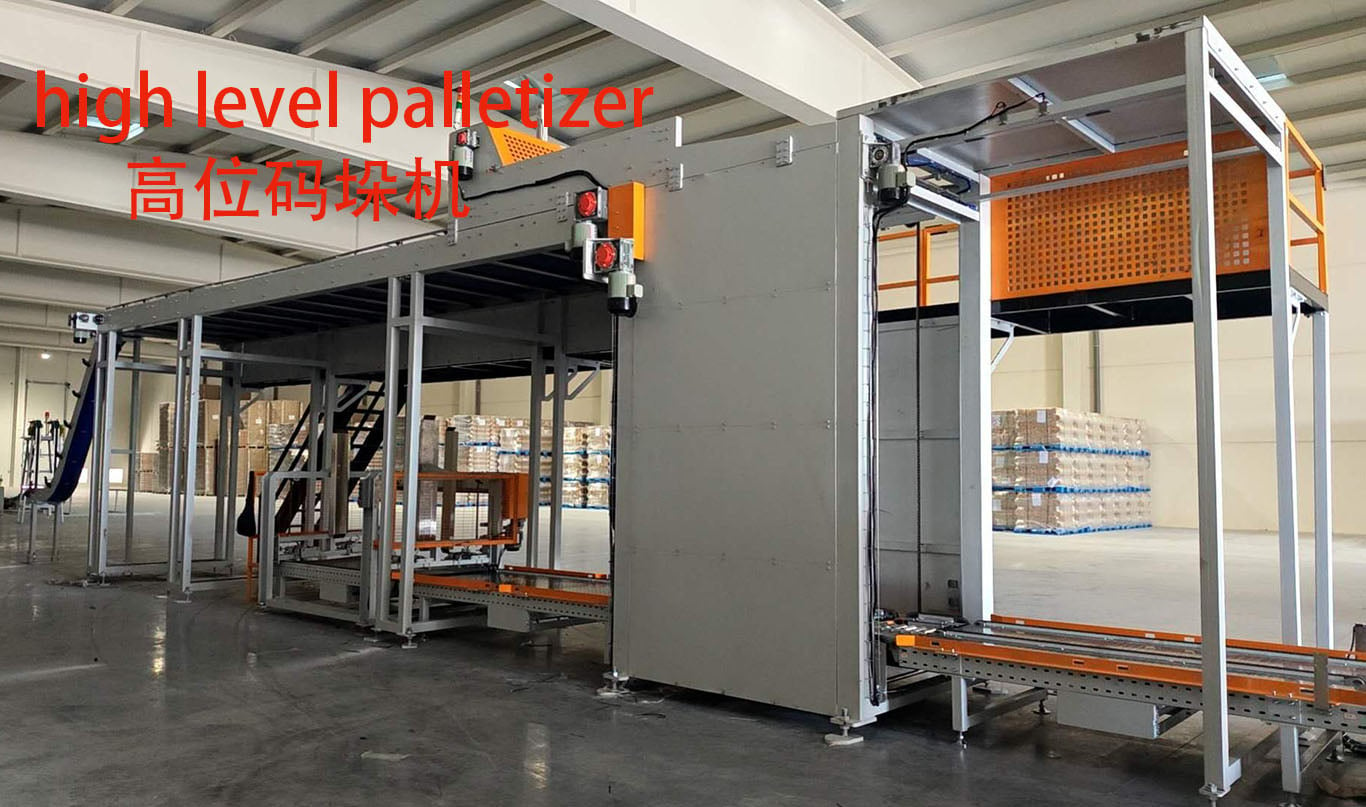
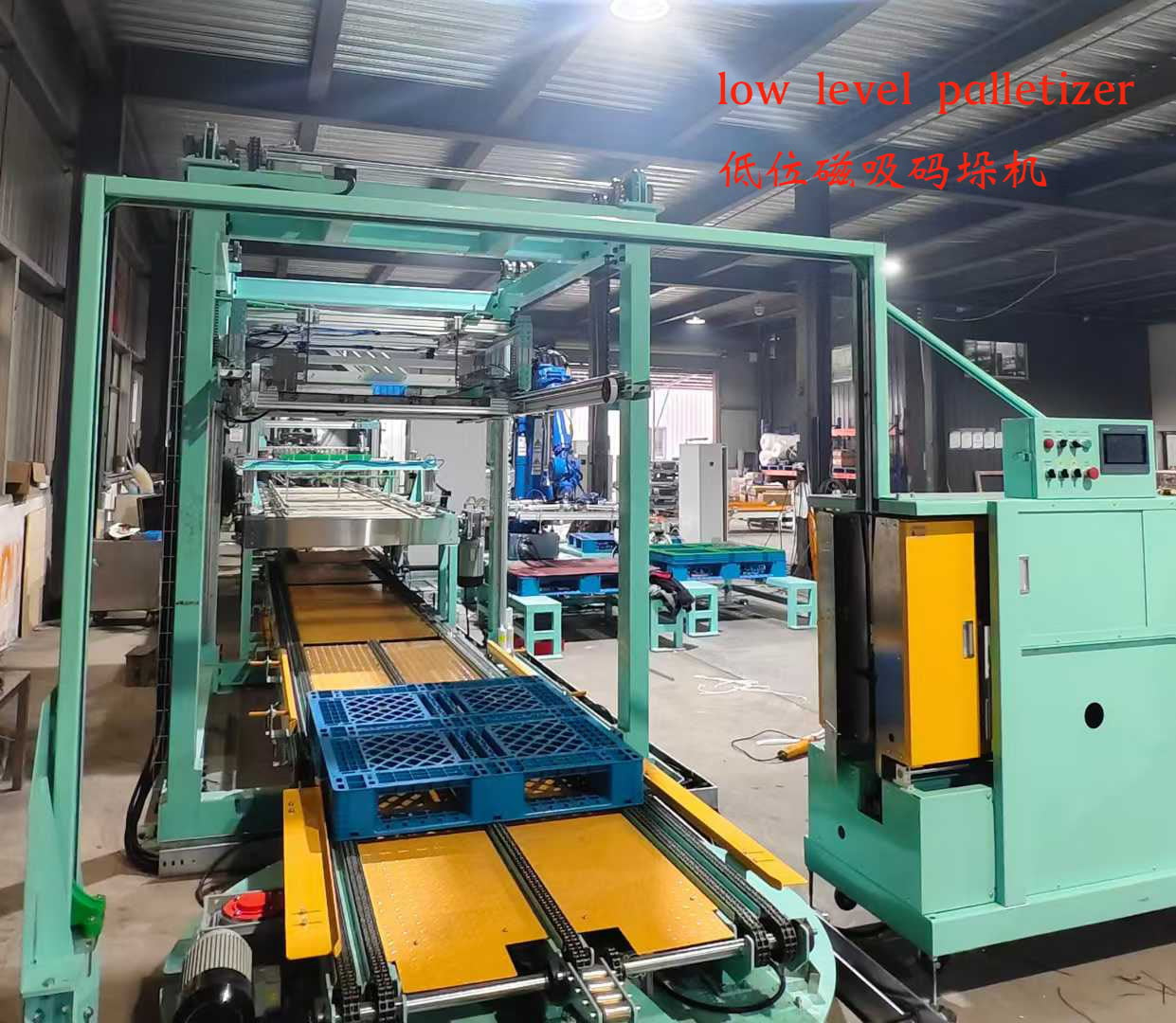
A full automatic palletizer stacks empty cans onto pallets with no manual handling, placing tier sheets between layers and delivering a load ready for strapping and stretch wrapping. Most automatic palletizers are either layer-type machines that move a whole layer at once, or robotic cells that pick and place with an articulated arm. Together they make up full automation palletizing at the end of a line.
Why UK Can Warehouses Are Automating
- Labour: manual stacking is physically demanding and hard to recruit for.
- Damage: thin-walled empty cans dent easily, and automated layer handling is gentler and more repeatable.
- Stability: consistent patterns give safer loads for racking and road transport.
- Space: a stacked, uniform pallet makes better use of warehouse and trailer volume.
- Throughput: beverage palletizing automation keeps the end of the line from slowing upstream machines.
Choosing the Right Machine
| Application | Typical Solution | Why It Fits |
|---|---|---|
| Empty can palletizing (high speed, single format) | Layer-type empty can palletizer | Moves full layers gently and quickly |
| Mixed can sizes, frequent changeovers | Robotic palletizer | Pattern changes by recipe on the touchscreen |
| Steady single-format output | Conventional palletizer | Simple, reliable, cost-effective |
A metal can palletizer must protect the can body and flange, so grippers, layer pads and tier sheets matter as much as the robot or frame. A beverage can palletiser follows the same logic whichever spelling you use. A tin can palletizer or three piece can palletizer is especially relevant for tinplate cans, which need careful, dent-free stacking.
Sizing a Palletizer for a Can Making Line
Line speed is the first number to fix. Our equipment is designed to support can lines running up to 600 cans per minute (cpm), so a palletizer for a can making line must be sized for peak output, not average.
As an illustration only: if one layer holds 300 empty cans and a pallet has 12 layers, one pallet holds 3,600 cans. At 600 cpm, that is a finished pallet about every six minutes. Your can size and pallet pattern will differ, so run the numbers with your own data. The same logic applies to any palletizer for a can production line, where the machine must never become the bottleneck.
A UK Buyer's Checklist
- Line speed: peak cans per minute, with a safety margin.
- Pallet size: confirm support for the UK standard 1200 × 1000 mm pallet and any Euro pallet (1200 × 800 mm) you use.
- Layer pattern: tier sheets, top frames and pad handling.
- Changeover: how quickly can you switch can diameters?
- Compliance: ask the supplier to confirm the conformity marking (UKCA or CE, as applicable) and support for your PUWER 1998 risk assessment.
- Machine safety: guarding, light curtains and safety controls, with standards such as BS EN ISO 13849 and, for robot cells, BS EN ISO 10218.
- Integration: compatibility with your conveyors, strapping machine and stretch wrapper.
- Footprint: robotic cells are compact, while layer systems need more room.
- Energy use: efficient drives and motion control lower running costs.
- Service: spare parts and remote technical support, given the distance from China.
The End of the Line Is More Than the Palletizer
A palletizer works best when what comes before and after it runs smoothly. Can conveying decides how evenly cans arrive, and strapping and wrapping decide whether the pallet survives the trip. That's why we supply these stations as well, and why they are designed to work together.
About Hubei Baoli Technology Co., Ltd.
Our founder entered the industry in 2003 and established Baoli in 2011. With more than twenty years of accumulated experience, we understand the details of can production, from sheet feeding to palletizing, strapping and wrapping. We don't try to supply an entire line. We focus on the equipment we know best, built specifically for the can industry:
- Body blank sheet feeder
- Oven
- Complete can conveyor systems
- Can lid feeder
- Palletizer, including robotic palletizing systems
- Strapping machine
- Wrapping machine
- Industrial robot system integration and non-standard automation equipment
Our core focus is food and beverage, especially tinplate three-piece can production lines, where we help customers move to more efficient, energy-saving production. For each machine we provide one-stop service: design proposal, manufacturing, installation, production guidance and after-sales support. We keep refining our technology to match each customer's requirements as closely as possible.
Frequently Asked Questions
What is can palletizing?
Can palletizing is the automated stacking of cans, usually in layers with tier sheets, onto pallets for storage and transport.
What is the difference between a palletizer and a full automatic palletizer?
"Palletizer" covers any machine that stacks onto pallets, including manual-assist units. A full automatic palletizer does the whole job without manual lifting.
Layer palletizer or robotic palletizer for empty cans?
Layer palletizers usually suit high-speed, single-format empty can palletizing. Robotic palletizers suit mixed formats and frequent changeovers.
Do you supply a complete can production line?
No. We supply selected equipment, including sheet feeders, ovens, can conveyors, lid feeders, palletizers, strapping machines and wrapping machines. You can buy one machine or several.
Final Thoughts
The right automated palletizing solution depends on your can type, line speed and warehouse layout. Compare layer and robotic options, and check compliance, integration and service support before you decide. To discuss your requirements, contact Hubei Baoli Technology Co., Ltd. for a tailored recommendation.
View more video from our youtube channel:https://www.baoli-hubei.com/blog/low-level-vs-high-level-palletizer