
 EN
 AR
 HR
 DA
 NL
 FI
 FR
 DE
 EL
 HI
 IT
 JA
 KO
 NO
 PL
 PT
 RO
 RU
 ES
 SV
 TL
 IW
 ID
 LT
 SR
 VI
 SQ
 HU
 TH
 TR
 AF
 MS
 GA
 BN
 HA
 IG
 MR
 NE
 YO
 MY
Fully Automation Palletizer Systems for Luncheon Meat Cans: A Comprehensive Guide
Every can of luncheon meat that reaches a store shelf has to be stacked, wrapped, and loaded before it ever leaves the factory. That stacking step — palletizing — used to be done almost entirely by hand: workers lifting case after case onto a pallet, all shift long. Today, most mid-to-large canning plants have replaced that manual work with an automatic can palletizer, and the shift has changed both throughput and safety on the production floor.
This guide looks at how automatic can palletizer systems work in luncheon meat production, compares the main types available, and walks through what to consider when choosing a can palletizing solution for your line.
Why Luncheon Meat Producers Are Switching to Automatic Can Palletizers
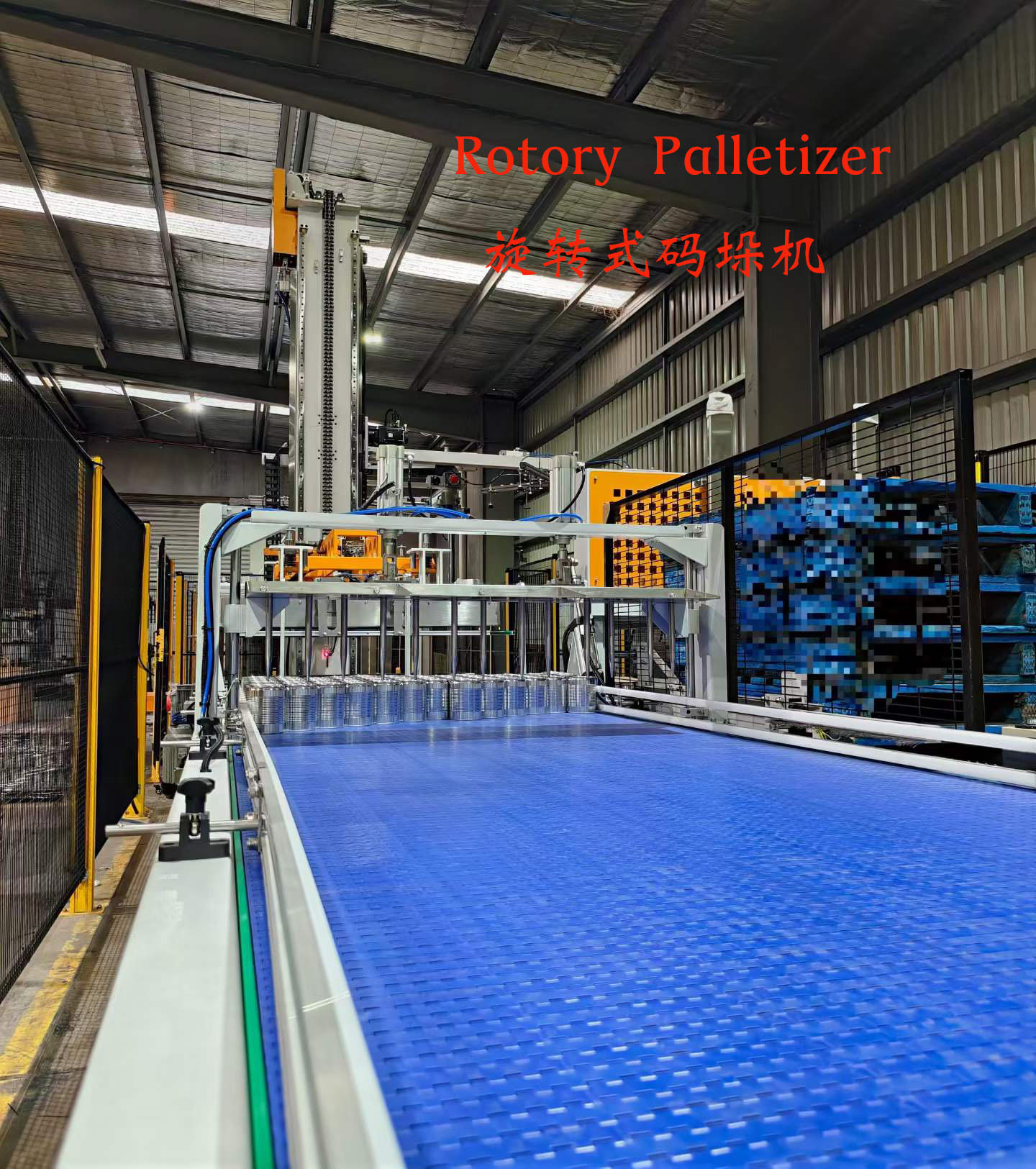
A can palletizer uses robotic arms or mechanical layer-forming systems, combined with conveyors, to stack cases or trays of canned meat onto a pallet in a consistent, pre-programmed pattern. Compared with manual stacking, an automatic can palletizer offers a few clear advantages:
- Speed and consistency — a can palletizing line can run continuously across shifts without the fatigue-related slowdowns that affect manual stacking.
- Stacking accuracy — pallets are built to a precise, repeatable pattern, which improves stability during transport and storage.
- Worker safety — removing repetitive heavy lifting from the end of the line reduces the risk of back and shoulder injuries, one of the most common injury types in case-handling roles.
- Lower long-term labor dependency — a single operator can typically oversee a can palletizer system instead of a full stacking crew.
Types of Can Palletizer Systems Used in North America
Different plants need different palletizing approaches depending on line speed, floor space, and budget. Here are four types of can palletizing equipment commonly used for luncheon meat and other canned food lines:
Robotic arm palletizers (e.g., FANUC-style systems)
High-speed robotic arms fitted with vision-guided pick-and-place heads. These systems can build tall, precise pallet stacks and are well suited to plants running multiple SKUs, since the robot can be reprogrammed for different case sizes.
Articulated robotic palletizers (e.g., ABB-style systems)
Similar in concept to FANUC-style robots, but often selected for their flexibility across product shapes — from rectangular cases to irregular or cylindrical loads like canned meat. These systems typically favor an operator-friendly interface over raw speed, which shortens changeover and training time.
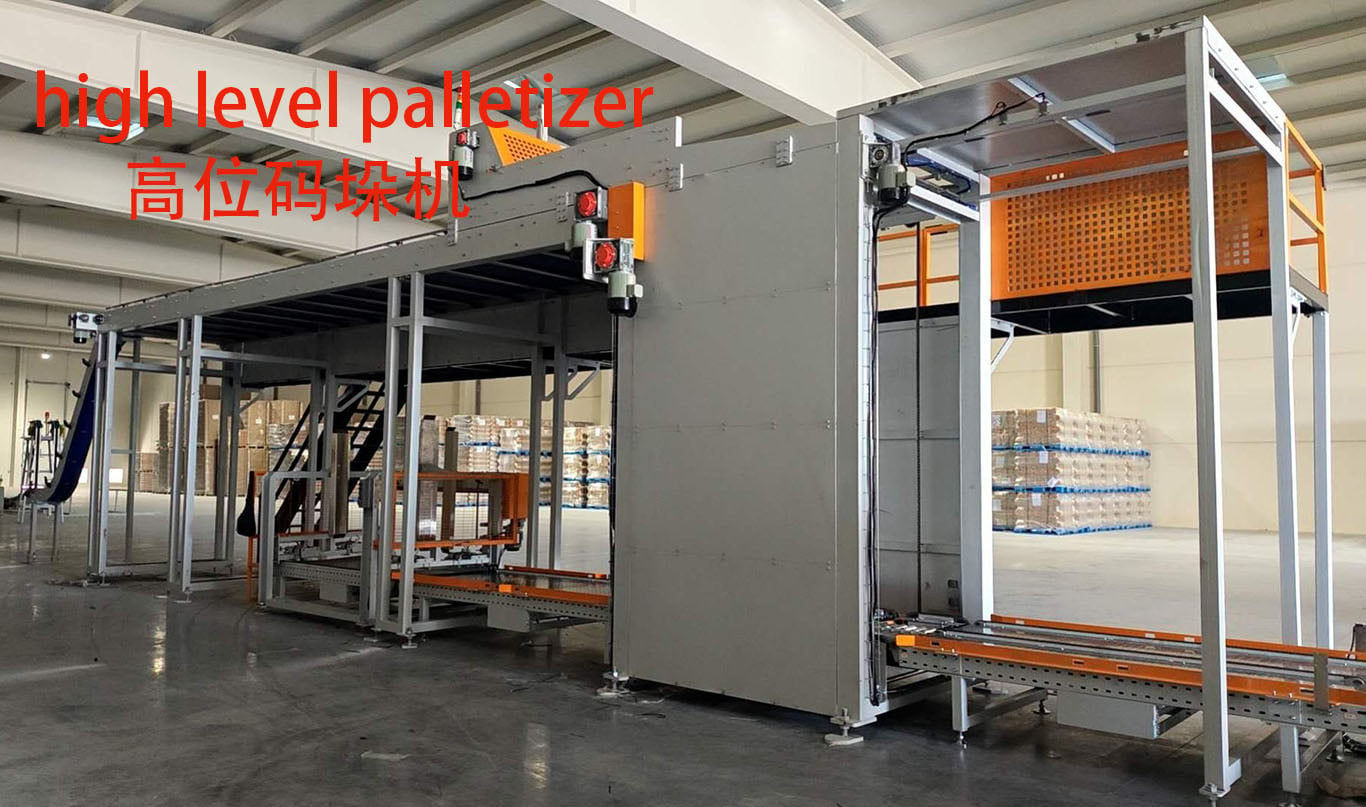
Conventional high-level / low-level layer palletizers (e.g., Alvey-style systems)
Rather than a single robotic arm, these systems form a full layer of cases mechanically before sweeping it onto the pallet — a design that favors very high throughput on a single product line.
Low-level robotic palletizers (e.g., Columbia Okura-style systems)
Positioned closer to the floor and designed to work alongside human operators rather than fully replace them — a common choice for smaller canneries that want to automate gradually without a full robotic cell.
How to Choose the Right Can Palletizer for a Luncheon Meat Line
Picking the right can palletizing system comes down to a few practical factors:
- Line speed and case volume — match the palletizer's rated cases-per-minute to your actual (not theoretical) production output, including peak-season demand.
- Footprint — a robotic arm cell needs different floor space than a conventional layer palletizer; measure available space before comparing quotes.
- Product variability — if your line runs multiple can sizes or packaging formats, prioritize systems with fast changeover and flexible gripping/vision systems.
- Total cost of ownership — factor in installation, integration with existing conveyors, and long-term maintenance, not just the purchase price.
- Vendor support — local service response time and spare-parts availability matter more once the line is running than they do during evaluation.
Final Thoughts
An automatic can palletizer isn't just a labor-saving device — for luncheon meat producers, it's become a core part of running a reliable, high-volume canning line. Whether you're comparing robotic arm systems, conventional layer palletizers, or a hybrid low-level design, matching the system to your actual line speed, product mix, and floor space is the difference between a good investment and an oversized one.
At Baoli, we design and build can palletizing systems — from high-level and low-level palletizers to fully robotic can palletizer cells — tailored to canned food production lines. Talk to our team about the right can palletizer for your plant.
https://www.baoli-hubei.com/product-full-automatic-palletizer
Read more article to know more can making industry information here:https://www.baoli-hubei.com/blog/low-level-vs-high-level-palletizer
View more video from our youtube channel:https://youtube.com/shorts/HFzPwPZl96U?is=u1xtnlZDZVPUzxhs