
 EN
EN
 AR
AR
 HR
HR
 DA
DA
 NL
NL
 FI
FI
 FR
FR
 DE
DE
 EL
EL
 HI
HI
 IT
IT
 JA
JA
 KO
KO
 NO
NO
 PL
PL
 PT
PT
 RO
RO
 RU
RU
 ES
ES
 SV
SV
 TL
TL
 IW
IW
 ID
ID
 LT
LT
 SR
SR
 VI
VI
 SQ
SQ
 HU
HU
 TH
TH
 TR
TR
 AF
AF
 MS
MS
 GA
GA
 BN
BN
 HA
HA
 IG
IG
 MR
MR
 NE
NE
 YO
YO
 MY
MY
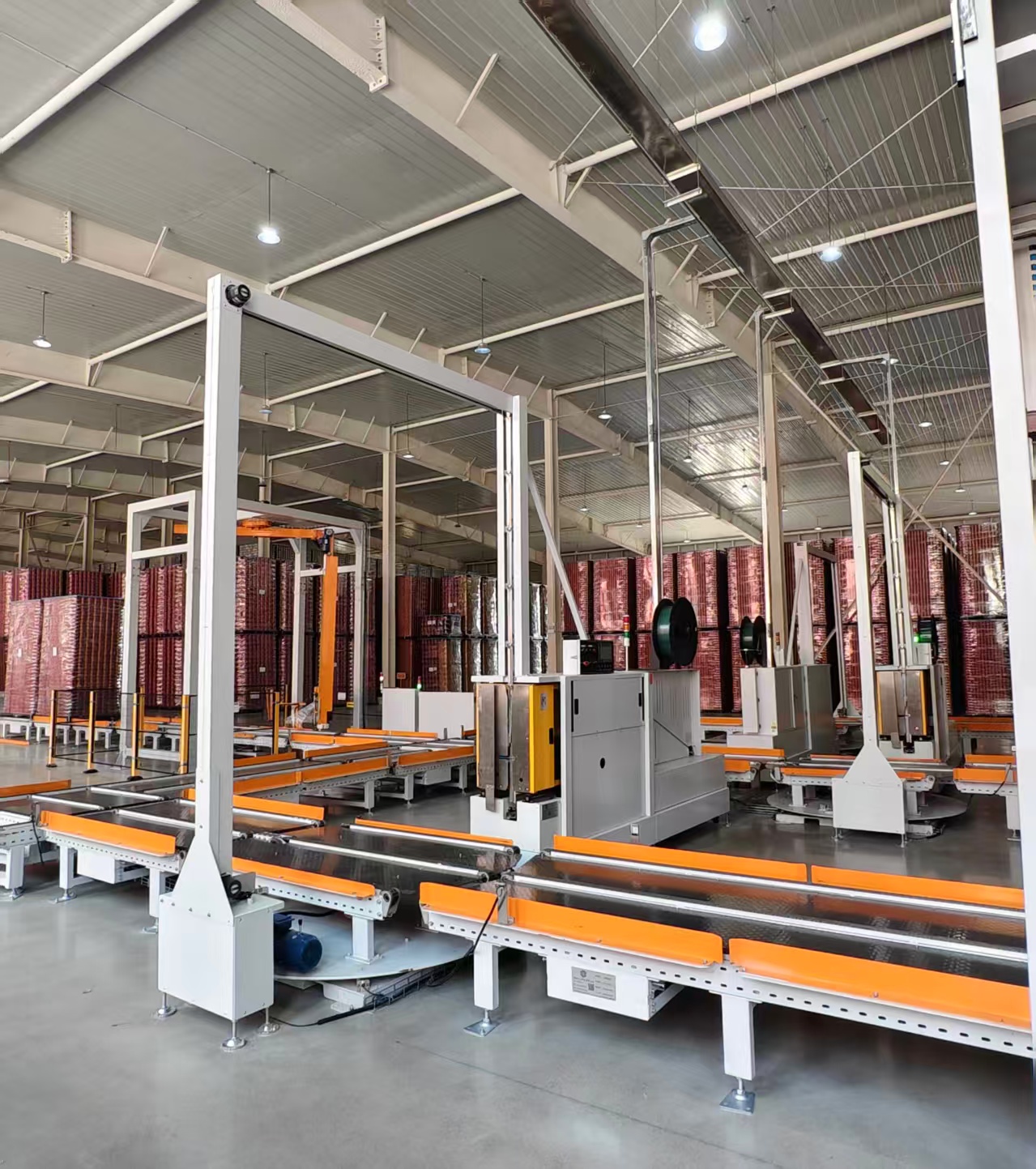
Canada's Warehouse Revolution: Implementing Automated Palletizers for Tomato Paste Cans
Tomato paste cans are heavy, densely packed, and unforgiving on any system that isn't built for the load. A tomato paste can palletizer has to stack that weight into a square, stable pallet shift after shift, and a well-designed canning line palletizer does it without slowing the filler behind it. This is why more Canadian plants are looking at an automatic stacking machine for cans instead of relying on manual labour at the end of the line. Hubei Baoli Technology Co., Ltd. has supplied palletizing and can-line equipment since 2011, and our founder has worked in this industry since 2003. Here's what to consider before you automate.
Why Tomato Paste Cans Are a Tougher Palletizing Job
Tomato paste is usually packed full, so each case is noticeably denser than a beverage can case. A palletizer for filled cans handling this product needs to manage:
- Load weight: grippers, layer formers and pallet supports rated for heavier cases, not adapted from lighter-duty equipment.
- Stack stability: a shifted layer is more likely to crush the layer beneath it when the product is this heavy.
- Seasonal peaks: tomato paste canning often runs near maximum output for weeks at a stretch.
- Product protection: dented cans and damaged labels get rejected, so handling still has to be gentle despite the weight.
A palletizer for food production built around these demands from the start performs more consistently than a general-purpose machine pressed into service for heavy cans.
How an Automatic Palletizer for Canned Food Works
- Case or tray infeed. Filled cans, usually cased or trayed, arrive on a conveyor at line speed.
- Layer forming. The machine builds a layer pattern sized to your pallet footprint.
- Layer or case transfer. A layer-type machine moves a full layer at once; a robotic cell places cases individually, useful for plants running more than one can size.
- Grip and handling method. Tin cans are often handled with vacuum or mechanical clamp grippers; some lines use a magnetic palletizer for tin cans approach, where magnetic attachments help lift and stabilize steel can bodies during layer transfer.
- Tier sheet placement. A separator sheet between layers spreads the load evenly and keeps the stack square.
- Pallet indexing and discharge. The pallet lowers after each layer, and the finished pallet moves out to strapping or stretch wrapping once the target height is reached.
Layer-Type vs. Robotic for Tomato Paste Lines
| Type | Best Fit | Why |
|---|---|---|
| Layer-type can line palletizer | High-speed, single can/case size | Moves full layers quickly, suited to peak-season volume |
| Robotic automated cans palletizer | Multiple can sizes or case formats | Pattern changes by recipe, no mechanical changeover |
Both are part of broader end of line automation for canning plant operations, working alongside the conveyors that feed them and the strapping or wrapping stations after them.
Sizing the System for Your Line
Our equipment is designed to support can lines running up to 600 cans per minute (cpm), so any palletizer for tomato sauce production or paste has to be sized for peak output, not the average rate during a normal shift.
As an illustration only: if each case holds 12 cans and a layer holds 20 cases, that's 240 cans per layer. Your case count, layer pattern and pallet size will differ, so this should be calculated with your actual packaging data. The same sizing logic applies whether you're looking at tomato paste production line automation for a new plant or adding a palletizer to an existing line.
Choosing a Palletizer Supplier for the Tomato Paste Industry
When comparing can palletizer manufacturers, a general palletizer supplier for tomato paste industry work should be able to show:
- Reference cases with heavy, filled cans, not just empty cans or dry goods.
- Damage and reject rates at your target speed.
- Changeover time if you run multiple can or case sizes.
- Integration with your existing conveyors, strapping and wrapping equipment.
- Support availability, including spare parts lead time, for a supplier based overseas.
View the video for high speed filled can palletizer from our youtube channel:https://youtube.com/shorts/eVIt0Ax0VhY?is=1OhsMKmAbO7H58OV
About Hubei Baoli Technology Co., Ltd.
Our founder entered the industry in 2003 and established Baoli in 2011. With more than twenty years of accumulated experience, we supply equipment for canning workshop automation equipment needs on both sides of can production:
- Body blank sheet feeder
- Oven
- Conveyor system
- Can lid feeding machine
- Palletizer, including robotic palletizing systems
- Strapping machine
- Wrapping machine
We also provide depalletizers and conveying systems for canning and filling lines, moving empty cans in and finished pallets out. Our core focus is food and beverage, particularly tinplate three-piece can manufacturing lines and canned food and beverage filling lines, where we help customers move to more efficient, energy-saving production. We keep refining our technology to match each customer's specific requirements as closely as possible.
Read More article about food cans palletizer:https://www.baoli-hubei.com/blog/what-is-a-can-palletizer-complete-guide-to-automatic-palletizing-systems-for-can-production-lines
Frequently Asked Questions
Is a tomato paste can palletizer different from a standard can palletizer?
The core process is the same, but the frame, grippers and drives need to be rated for heavier, denser cases, since tomato paste cans are usually filled to capacity.
Layer-type or robotic palletizer for a seasonal tomato paste line?
Layer-type machines suit steady, high-volume runs during peak season. Robotic palletizers add flexibility if you switch between can or case sizes during the year.
Do you supply the whole canning line?
We supply specific equipment for canning and filling lines: body blank sheet feeder, oven, conveyor system, can lid feeding machine, palletizer, strapping machine and wrapping machine. These are designed to work together, and you can order one machine or several depending on which stations you need.
How fast can these systems run?
It depends on can and case size. Our equipment is built to support can lines running up to 600 cpm, but actual palletizer throughput should be confirmed against your specific packaging.
Final Thoughts
Tomato paste cans put more strain on a palletizer than most canned products, so the machine needs to be sized for weight as much as speed. Compare layer-type and robotic options, check damage rates and support, and confirm which stations of your line you actually need to automate. To talk through your plant, contact Hubei Baoli Technology Co., Ltd. for a tailored recommendation.
Table of Contents
-
Canada's Warehouse Revolution: Implementing Automated Palletizers for Tomato Paste Cans
- Why Tomato Paste Cans Are a Tougher Palletizing Job
- How an Automatic Palletizer for Canned Food Works
- Layer-Type vs. Robotic for Tomato Paste Lines
- Sizing the System for Your Line
- Choosing a Palletizer Supplier for the Tomato Paste Industry
- About Hubei Baoli Technology Co., Ltd.
- Frequently Asked Questions
- Final Thoughts