Baoli automatic can palletizers are designed for factories that need to automatically collect, arrange and stack empty cans onto pallets at the end of a can-making or can-handling process.
As a supplier of tinplate can-making production-line auxiliary equipment, Baoli provides different palletizing solutions according to can size, production speed, pallet pattern, available floor space and factory layout.
Our can palletizer range includes high-level, low-level, robotic, rotary and push-type palletizers. This allows customers to select a suitable automatic palletizing machine rather than using one fixed design for every production line.
The system can be integrated with can conveyors, pallet conveyors and other end-of-line packaging equipment to create a continuous automatic palletizing process.
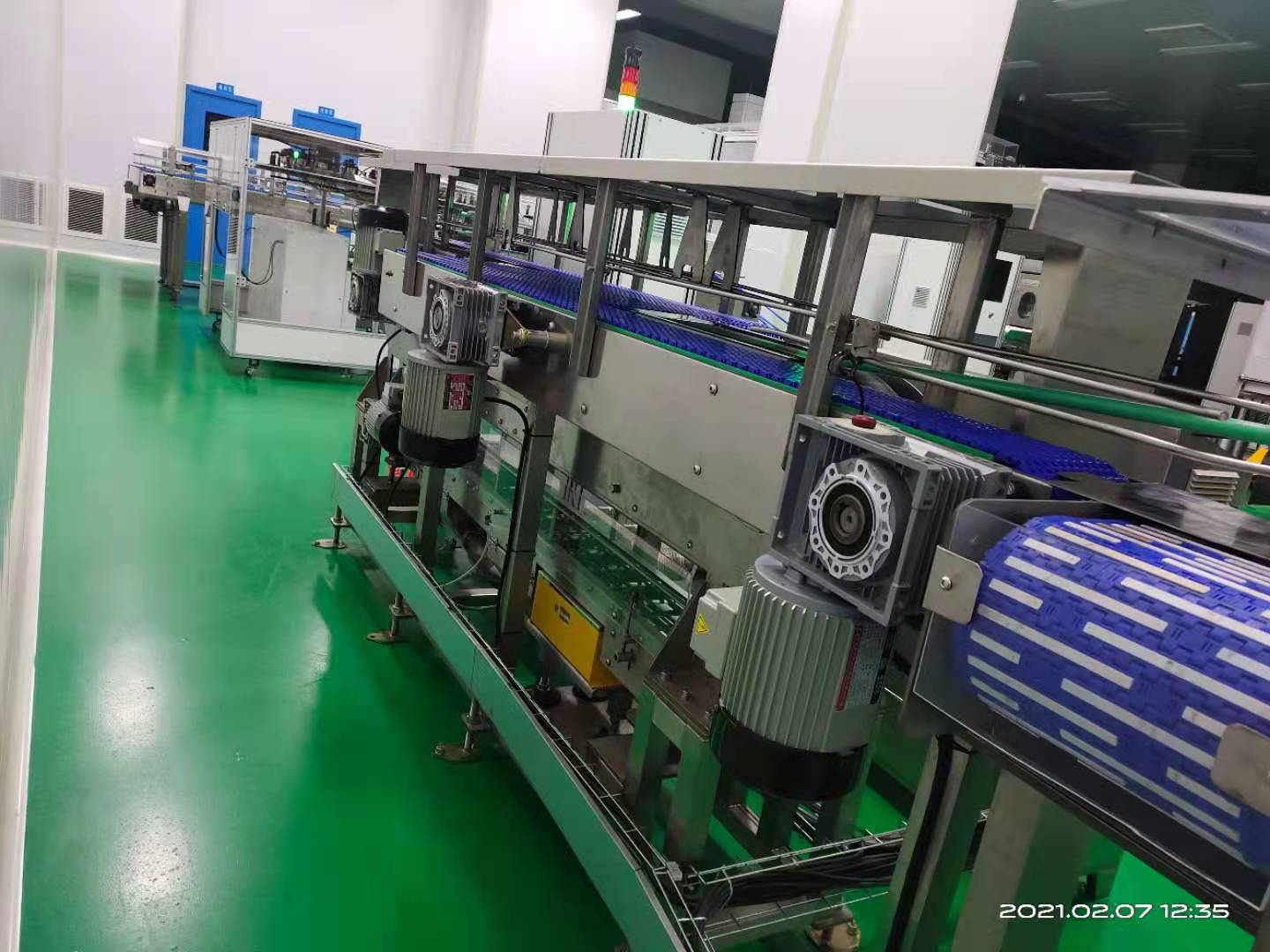
An automatic can palletizing system normally receives empty cans from the production line through a can conveyor.
The cans are first arranged into the required rows or groups. The palletizer then transfers the cans layer by layer onto a pallet according to the programmed pallet pattern.
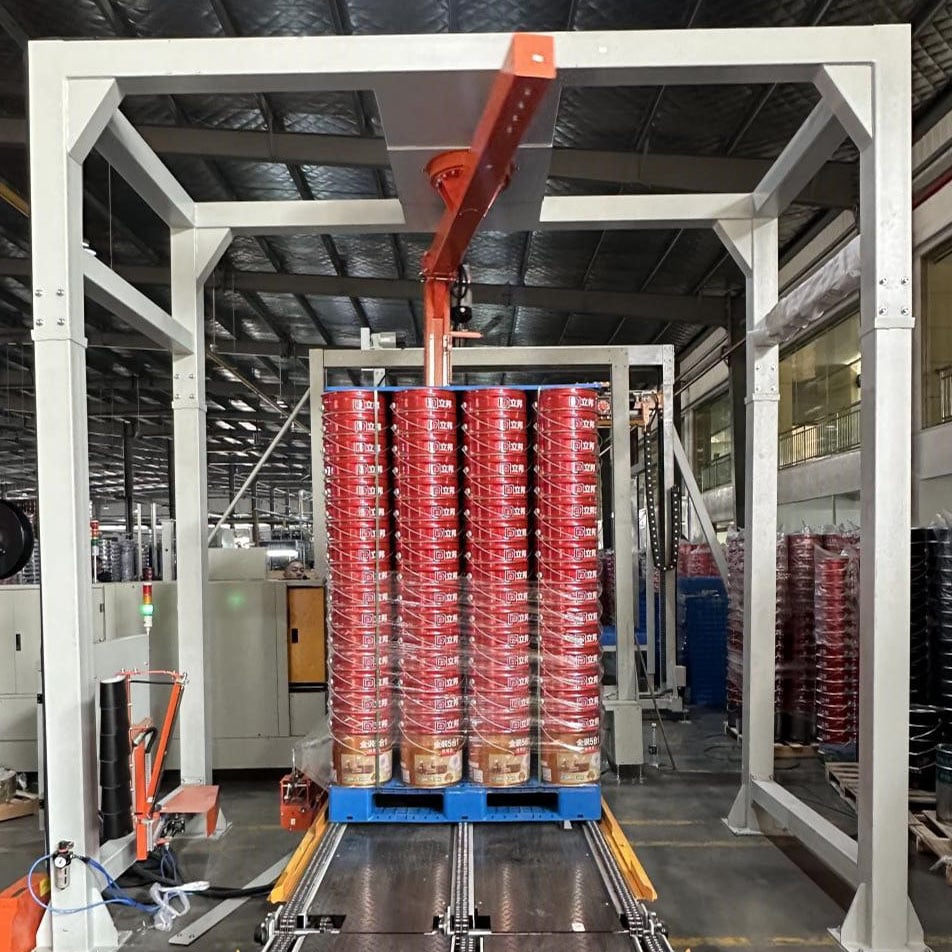
After one layer is completed, the system continues stacking until the required pallet height is reached. The finished pallet can then be transferred automatically to the next process, such as strapping or stretch wrapping.
The basic process is:
Can Conveyor → Can Arrangement → Layer Formation → Palletizing → Pallet Conveyor → Strapping / Stretch Wrapping
The exact mechanism depends on the palletizer type and the customer's production requirements.
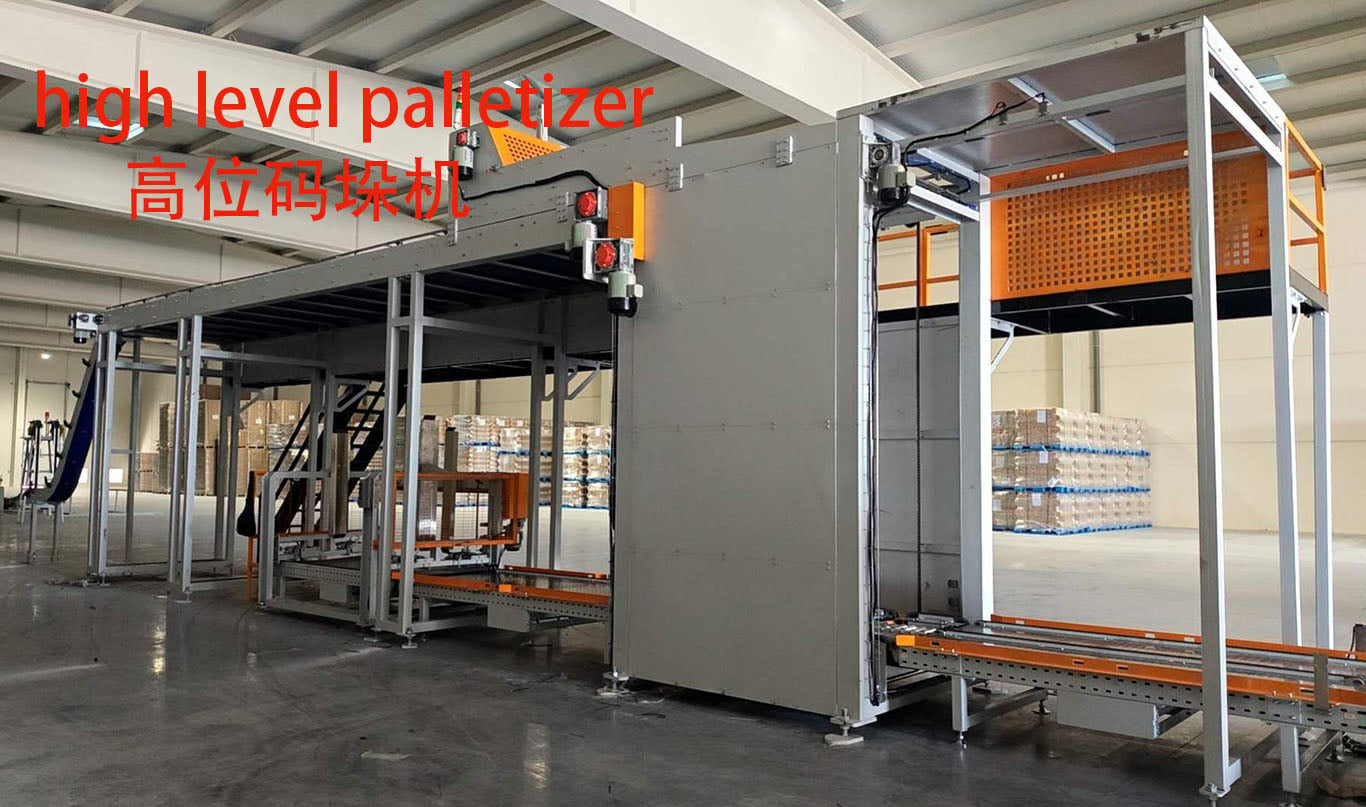
The high-level palletizer is designed for automatic can palletizing where production speed and continuous operation are important.
Cans are lifted and arranged at a higher working level before being placed onto the pallet. This configuration can provide efficient use of production-line space and is suitable for automatic can production lines requiring continuous palletizing.
It can be customized according to can diameter, can height, pallet size and required stacking pattern.
https://youtube.com/shorts/eVIt0Ax0VhY?is=1OhsMKmAbO7H58OV
A low-level palletizer performs the palletizing operation closer to floor level.
It is a practical solution for factories with limited height or specific layout requirements. Compared with high-level systems, the low-level design can be simpler and more compact, making it suitable for certain production capacities and factory layouts.
Baoli can adjust the machine structure and can arrangement according to the customer's available space and pallet specifications.
https://youtube.com/shorts/Ft54I9BBYV8?is=jixwpHox1tGvkOvY
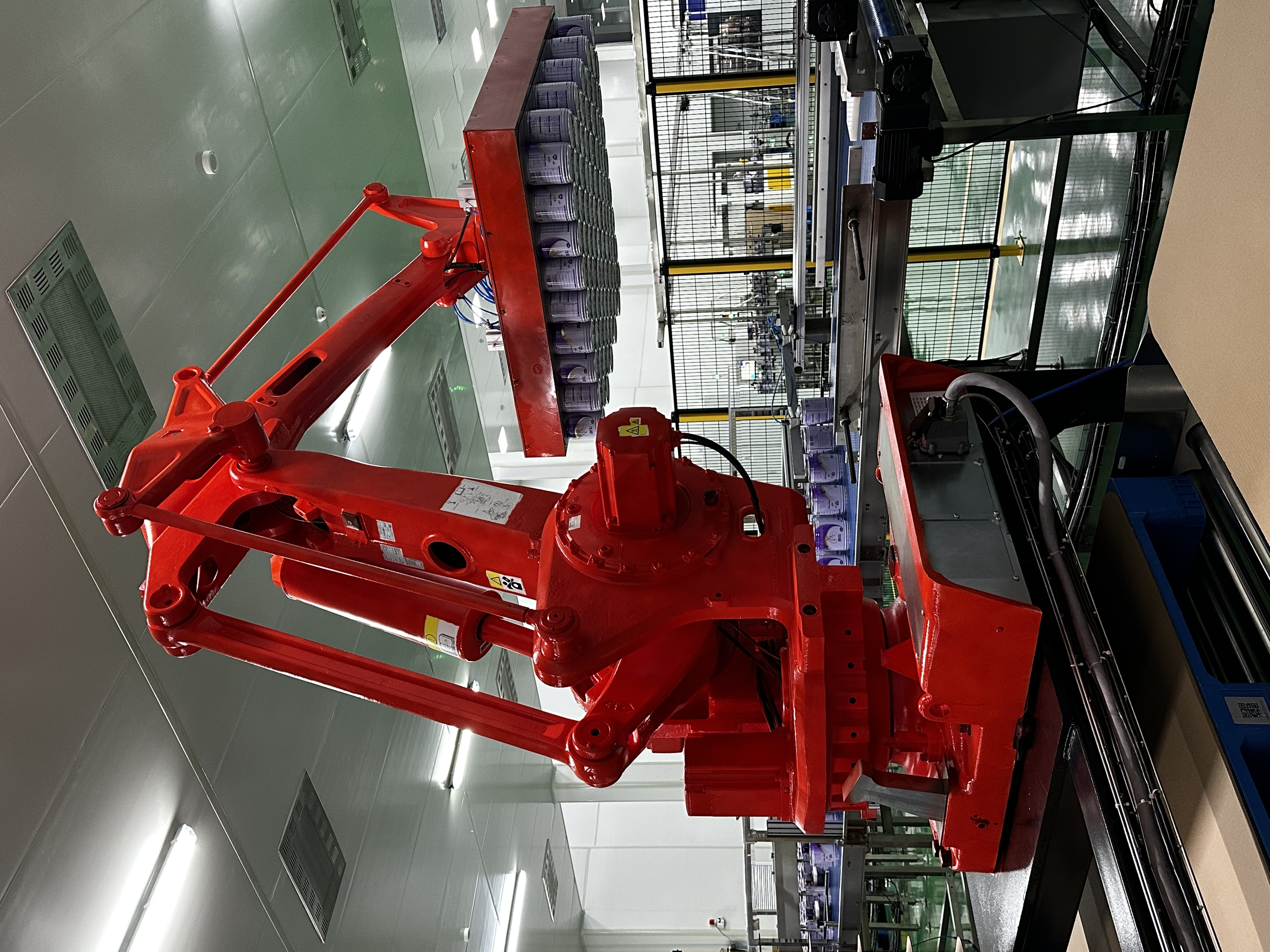
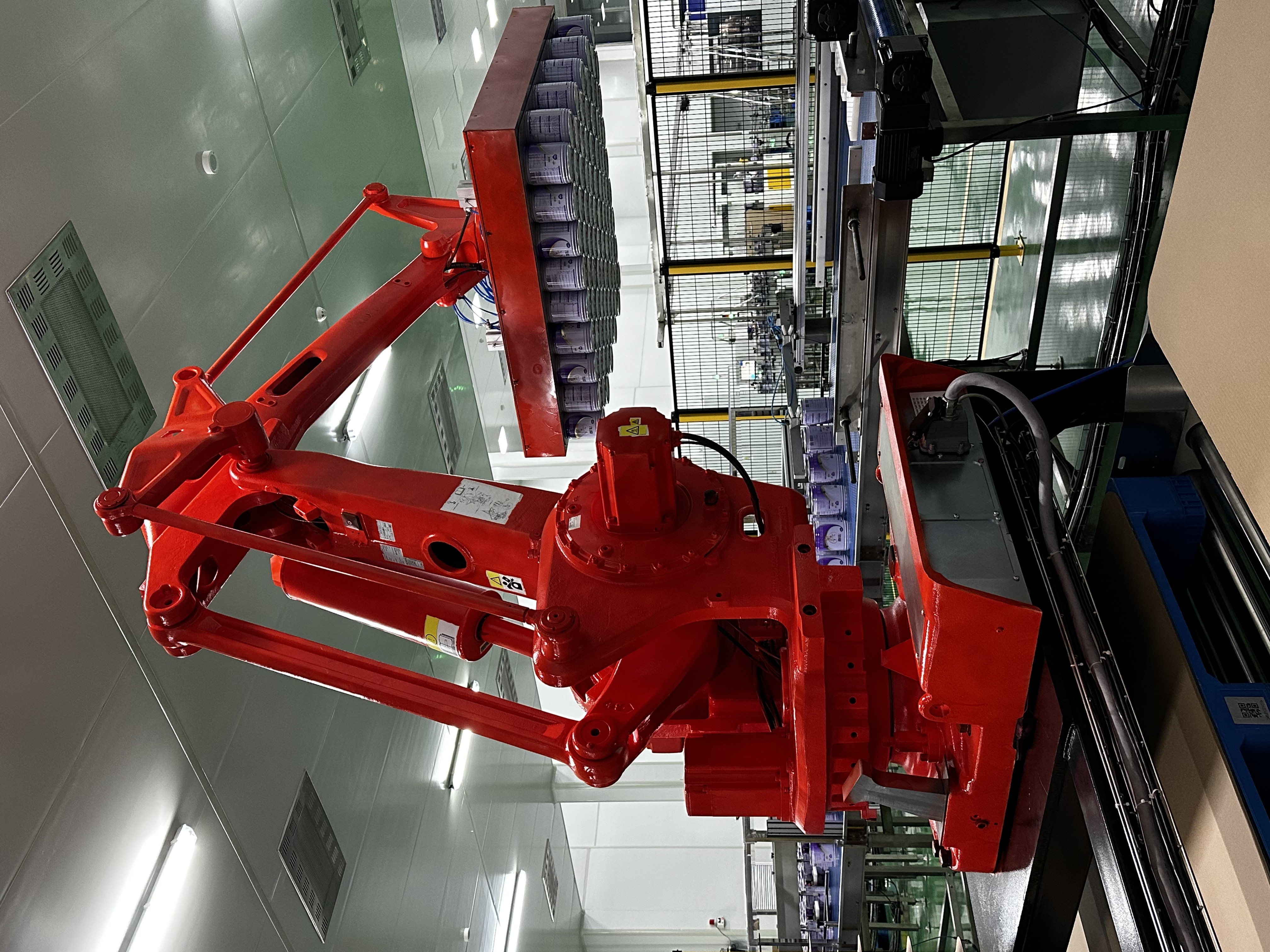
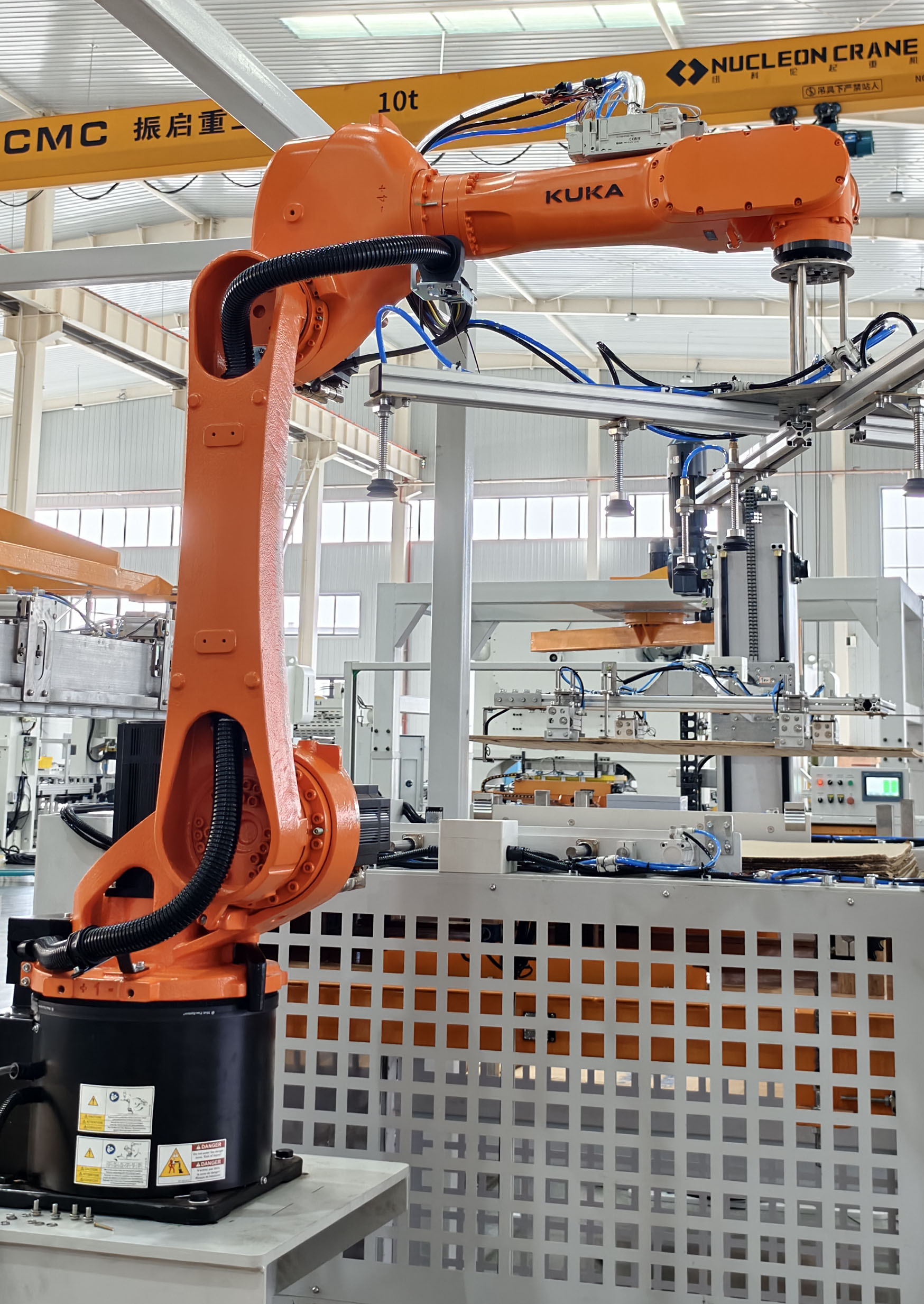
A robotic can palletizer uses an industrial robot to pick and place cans or can groups onto pallets.
This type of robot palletizer offers flexible movement and is particularly useful when the factory needs a compact layout, multiple pallet patterns or flexible palletizing positions.
Depending on the project, Baoli can integrate suitable industrial robot systems such as ABB, KUKA, Inovance and KEWEI, according to the required application and control system.
The robotic solution can also be combined with automatic conveyors and other end-of-line equipment to form a complete robotic palletizing system.
https://youtu.be/rXestkT3yl4?is=5T5gOz7xjej7VxOQ
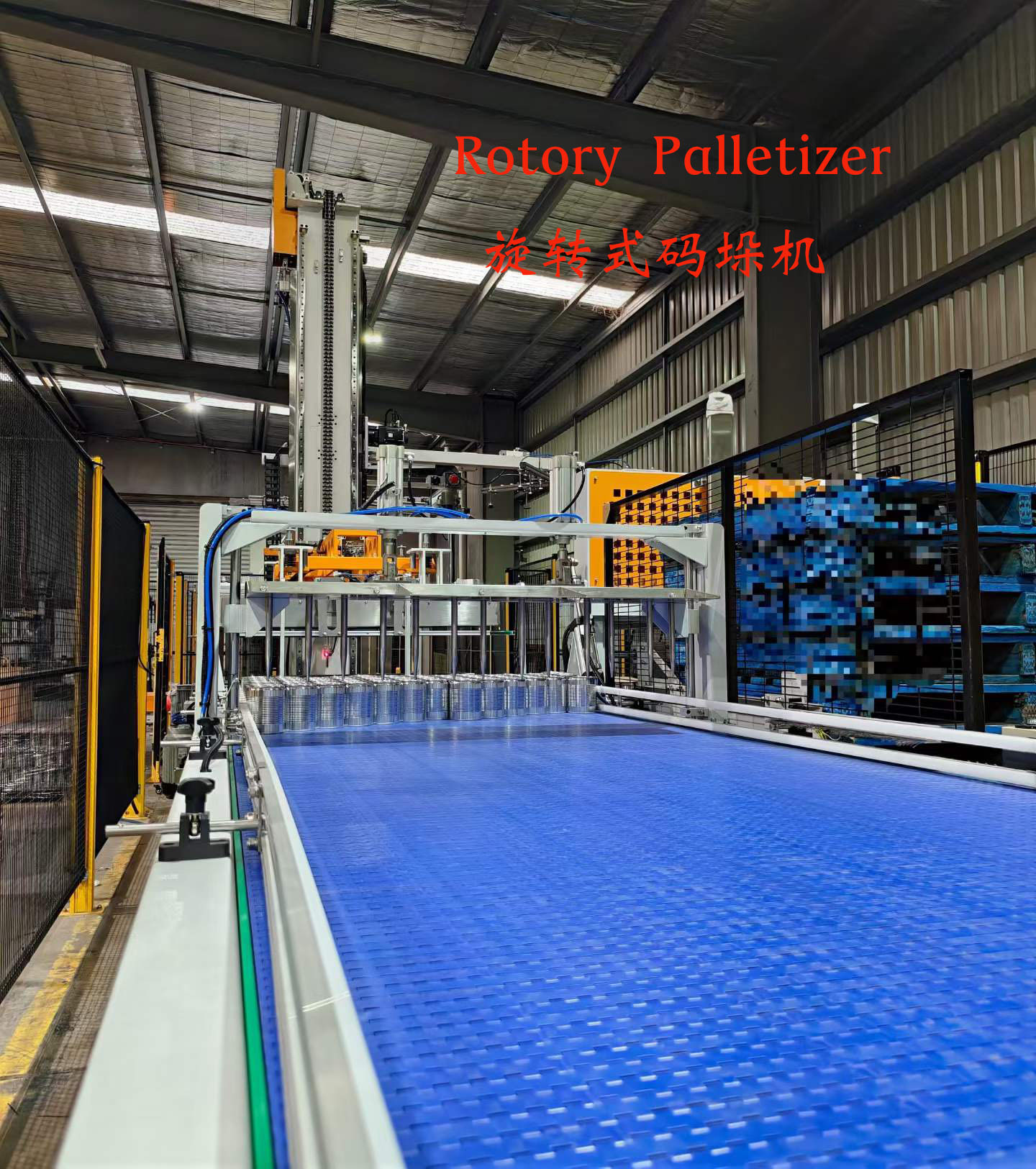
A rotary palletizer uses a rotating mechanism to arrange and transfer cans into the required pallet pattern.
The rotary design is suitable for applications where controlled can arrangement and stable palletizing are required. It can be configured according to different can sizes and pallet patterns.
For factories looking for an automatic palletizer with a specific mechanical arrangement, a rotary palletizer can be an alternative to high-level or robotic systems.
https://youtube.com/shorts/cY92xlWIij8?is=SjDNnUuy4bnSmeMy
The push-type palletizer uses a mechanical pushing system to move arranged cans onto the pallet.
This design is suitable for applications where cans can be grouped and transferred as a complete layer or section. It provides a straightforward palletizing method and can be customized according to the can arrangement and pallet dimensions.
The push-type design can be considered when the customer is looking for a reliable and practical can palletizing machine.
Different production lines require different palletizing solutions.
| Palletizer Type | Main Advantage | Suitable For |
|---|---|---|
| High-Level Palletizer | Efficient continuous palletizing | Higher-speed automatic lines |
| Low-Level Palletizer | Simple and compact layout | Limited-height or specific layouts |
| Robotic Palletizer | Flexible and versatile | Flexible layouts and multiple patterns |
| Rotary Palletizer | Controlled mechanical arrangement | Specific palletizing configurations |
| Push-Type Palletizer | Practical layer transfer | Grouped cans and suitable pallet patterns |
The right solution depends on can dimensions, production speed, pallet size, stacking pattern, factory layout and budget.
Baoli can recommend the appropriate palletizing configuration after reviewing your production requirements and layout.
Baoli can palletizers are mainly designed for automatic handling of empty metal cans, including:
Empty tinplate cans
3-piece cans
Food cans
Beverage cans
Tin cans
Metal cans
Industrial cans
Other cylindrical metal containers suitable for the palletizing system
For a 3-piece can production line, the palletizer can be connected with the downstream can conveyor system to automatically collect and stack finished empty cans.
The palletizing system can also be designed around different can diameters, can heights and pallet dimensions.
For production lines with higher output requirements, an automatic palletizing system can reduce manual handling between can conveying and final palletizing.
Baoli can design the palletizing process around the required production speed rather than simply selecting a machine based on a standard speed rating.
The actual palletizing capacity depends on factors such as:
Can diameter and height
Number of cans per layer
Pallet size
Pallet pattern
Conveyor arrangement
Required pallet height
Production-line speed
This makes it possible to develop a high-speed can palletizer for applications where continuous automatic production is required.
A can palletizer is usually only one part of the end-of-line system.
Baoli can integrate the palletizer with downstream equipment to reduce manual handling after palletizing.
A typical system can include:
Can Conveyor → Automatic Can Palletizer → Pallet Conveyor → Strapping Machine → Stretch Wrapping Machine
The pallet conveyor transfers completed pallets between different machines, while the strapping and stretch wrapping systems prepare the pallet for storage or transportation.
This approach allows the customer to build a more continuous automatic palletizing and end-of-line packaging system.
There is no single palletizer design suitable for every can factory.
Baoli can customize the palletizing solution according to:
Can diameter and height
Production capacity
Pallet dimensions
Palletizing pattern
Number of cans per layer
Available factory space
Conveyor direction
Pallet transfer requirements
Existing production-line equipment
End-of-line packaging requirements
The equipment can be integrated into an existing can production line or designed as part of a new automated system.
Baoli focuses on automation equipment for tinplate can production lines and related can-handling processes.
With experience in can-making automation, Baoli provides more than a standalone palletizing machine. The company can help connect the palletizer with upstream can conveyors and downstream packaging equipment so that cans can move smoothly through the entire process.
From high-level and low-level palletizers to robotic, rotary and push-type systems, Baoli provides different solutions for different production requirements.
If you are looking for an automatic can palletizer, empty can palletizer or complete can palletizing system, send us your can size, production speed, pallet dimensions and factory layout. We can recommend a suitable configuration for your application.
A can palletizer is an automatic machine that arranges and stacks cans onto pallets. It can replace manual palletizing and connect directly with the can conveyor system.
An empty can palletizer is designed to automatically stack empty cans before they are transferred to storage, strapping, stretch wrapping or other downstream processes.
Baoli provides high-level, low-level, robotic, rotary and push-type palletizers for different production speeds, layouts and palletizing requirements.
Yes. Baoli can palletizing systems can be designed for empty 3-piece tinplate cans and integrated with the downstream section of a 3-piece can production line.
Yes. The palletizer can be connected with can conveyors, pallet conveyors, strapping machines and stretch wrapping machines to form an automatic end-of-line packaging system.
Yes. Baoli can provide robotic palletizing solutions and integrate suitable industrial robot systems according to the project requirements.
Copyright © Hubei Baoli Technology Co., Ltd. All Rights Reserved - Blog - Privacy Policy
 EN
 AR
 HR
 DA
 NL
 FI
 FR
 DE
 EL
 HI
 IT
 JA
 KO
 NO
 PL
 PT
 RO
 RU
 ES
 SV
 TL
 IW
 ID
 LT
 SR
 VI
 SQ
 HU
 TH
 TR
 AF
 MS
 GA
 BN
 HA
 IG
 MR
 NE
 YO
 MY