
 EN
EN
 AR
AR
 HR
HR
 DA
DA
 NL
NL
 FI
FI
 FR
FR
 DE
DE
 EL
EL
 HI
HI
 IT
IT
 JA
JA
 KO
KO
 NO
NO
 PL
PL
 PT
PT
 RO
RO
 RU
RU
 ES
ES
 SV
SV
 TL
TL
 IW
IW
 ID
ID
 LT
LT
 SR
SR
 VI
VI
 SQ
SQ
 HU
HU
 TH
TH
 TR
TR
 AF
AF
 MS
MS
 GA
GA
 BN
BN
 HA
HA
 IG
IG
 MR
MR
 NE
NE
 YO
YO
 MY
MY
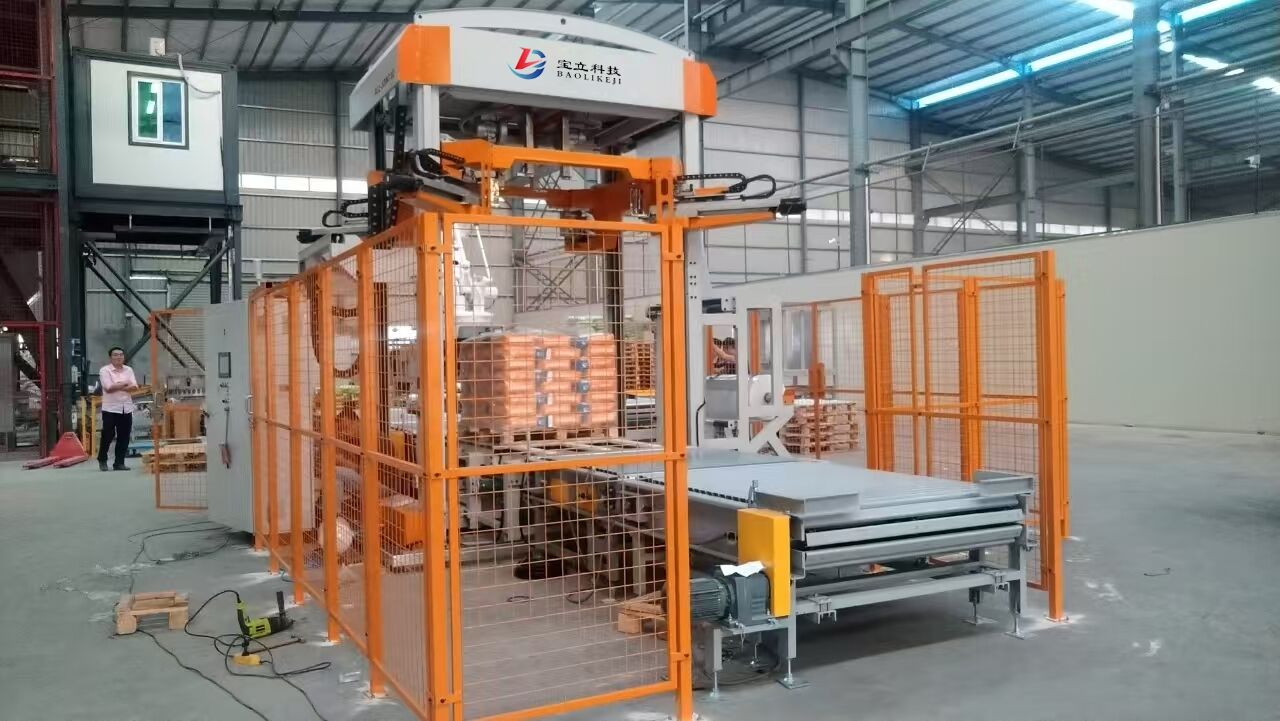
Planning a new empty aluminum can production line? Our step-by-step guide covers everything from blanking to palletizing. Discover how Hubei Baoli Technology's empty can palletizing machines boost efficiency and protect your product quality.
Entering the metal packaging industry by setting up an empty aluminum can manufacturing line is a significant and promising venture. The demand for sleek, lightweight, and sustainable beverage containers is soaring. However, for newcomers, the process can seem complex. Where do you start? What are the key stages and considerations?
This comprehensive guide breaks down the establishment of a modern aluminum can palletizing line into clear, manageable steps. We will also highlight a critical, often underestimated part of the process: the role of a high-performance automatic empty can palletizer in ensuring your line's profitability and final product quality.
Step 1: Comprehensive Market Research and Business Planning
Before any machinery is purchased, a solid foundation is crucial.
Identify Your Niche: Will you serve local breweries, large soft drink brands, or energy drink companies?
Analyze Capacity: Determine your target output (e.g., cans per minute/hour). This directly dictates the scale and cost of your equipment.
Secure Funding: A greenfield can manufacturing plant is a capital-intensive project. Ensure you have a robust financial plan.
Choose a Location: Select a facility with adequate space, ceiling height, and access for logistics, considering future expansion.
Step 2: Understanding the Core Stages of an Empty Can Body Line
A typical 2-piece can making line for aluminum beverage cans involves the following key processes:
1. Cupping and Drawing: A coil of aluminum sheet is lubricated and punched into shallow cups.
2. Drawing and Ironing (D&I): The cups are forced through a series of rings (ironing rings) to stretch and thin the sidewalls to the desired height and thickness, forming the can body.
3. Trimming:The uneven top of the can is trimmed off to create a uniform height.
4. Washing and Drying: The cans are thoroughly cleaned to remove lubricants and any metal fines from the previous steps.
5. Internal and External Coating: The inside is coated to prevent corrosion and flavor contamination. The outside receives a base coat for the final decoration.
6. Curing (Oven Baking):The coated cans pass through a large oven to cure the coatings.
7. Necking and Flanging: The top of the can is narrowed (necked-in) to reduce the diameter required for the lid and a flange is formed to later accept the can end (lid).
8. Testing and Inspection: Cans undergo rigorous checks for leaks, coating integrity, and dimensional accuracy.
9. Palletizing: The finished, empty cans are systematically stacked onto pallets for storage and shipment to the beverage filler.
Step 3: The Critical Role of Palletizing in Your Can Line
This is where many new projects can gain a significant competitive edge. The final step—empty can palletizing—is not just about stacking; it's about protecting your product and optimizing logistics.
Why a Dedicated Empty Can Palletizer is Non-Negotiable:
Preserves Product Quality: Manual handling or inferior stacking can lead to dented, scratched, or out-of-round cans. A gentle-handling automatic palletizer for empty cans ensures your pristine products reach the filler in perfect condition.
Unmatched Efficiency:Modern can lines can produce over 2,000 cans per minute. Only a high-speed palletizer can keep up, eliminating this major bottleneck.
Massive Labor and Cost Savings: Automating the palletizing process drastically reduces the number of workers needed for this strenuous task, leading to a rapid return on investment (ROI).
Stack Stability: Creates uniform, secure pallet loads that prevent costly and dangerous collapses during transport and storage.
Step 4: Introducing a Reliable Partner: Hubei Baoli Technology Co., Ltd.
When selecting equipment for the final palletizing stage, partnering with an experienced and innovative manufacturer is key. Hubei Baoli Technology Co., Ltd. specializes in providing automated packaging solutions, with a strong focus on the metal packaging industry.
Their empty can palletizing machines are engineered to meet the rigorous demands of a high-speed can manufacturing environment.
Key Features of Hubei Baoli's Empty Can Palletizing Solutions:
High-Speed Operation: Designed to seamlessly integrate with and keep pace with your main production line.
Gentle Product Handling: Advanced gripper and control systems ensure cans are handled carefully to prevent any damage to the neck, flange, or body.
Flexibility: Easily programmable to handle different can heights and diameters, as well as various pallet patterns.
Robust and Durable Construction: Built for 24/7 operation with minimal downtime, ensuring maximum line availability.
Automated Pallet Handling: Many models include integrated pallet dispensers and magazine systems for a fully automated workflow.
By integrating a Hubei Baoli palletizer, you are not just buying a machine; you are securing the final link in your production chain, guaranteeing that your high-quality empty cans are delivered to your customers flawlessly.
Step 5: Bringing It All Together - Implementation and Commissioning
1. Select Your Equipment Suppliers: Partner with reputable manufacturers for your body makers, ovens, neckers, and crucially, your palletizing system from Hubei Baoli Technology.
2. Factory Layout and Installation: Work with engineers to design an optimal workflow. The palletizer's location is critical for logistics.
3. Staff Training and Hiring: Train your technicians and operators on the new machinery, including the programming and operation of the palletizer.
4. Test Runs and Quality Assurance: Run the entire line to fine-tune the process and ensure the final palletized product meets all specifications.
Conclusion
Establishing a new empty aluminum can manufacturing line is a complex but highly rewarding endeavor. By following a structured plan and investing in reliable, efficient technology at every stage—especially the critical palletizing stage—you set your business up for long-term success.
Don't let the final step become your biggest bottleneck. Protect your investment and your product's quality by choosing an automated palletizing solution from a trusted provider.
Ready to optimize your can line from start to finish? Contact Hubei Baoli Technology today to learn how our high-performance empty can palletizing machines can secure your success.