
 EN
EN
 AR
AR
 HR
HR
 DA
DA
 NL
NL
 FI
FI
 FR
FR
 DE
DE
 EL
EL
 HI
HI
 IT
IT
 JA
JA
 KO
KO
 NO
NO
 PL
PL
 PT
PT
 RO
RO
 RU
RU
 ES
ES
 SV
SV
 TL
TL
 IW
IW
 ID
ID
 LT
LT
 SR
SR
 VI
VI
 SQ
SQ
 HU
HU
 TH
TH
 TR
TR
 AF
AF
 MS
MS
 GA
GA
 BN
BN
 HA
HA
 IG
IG
 MR
MR
 NE
NE
 YO
YO
 MY
MY
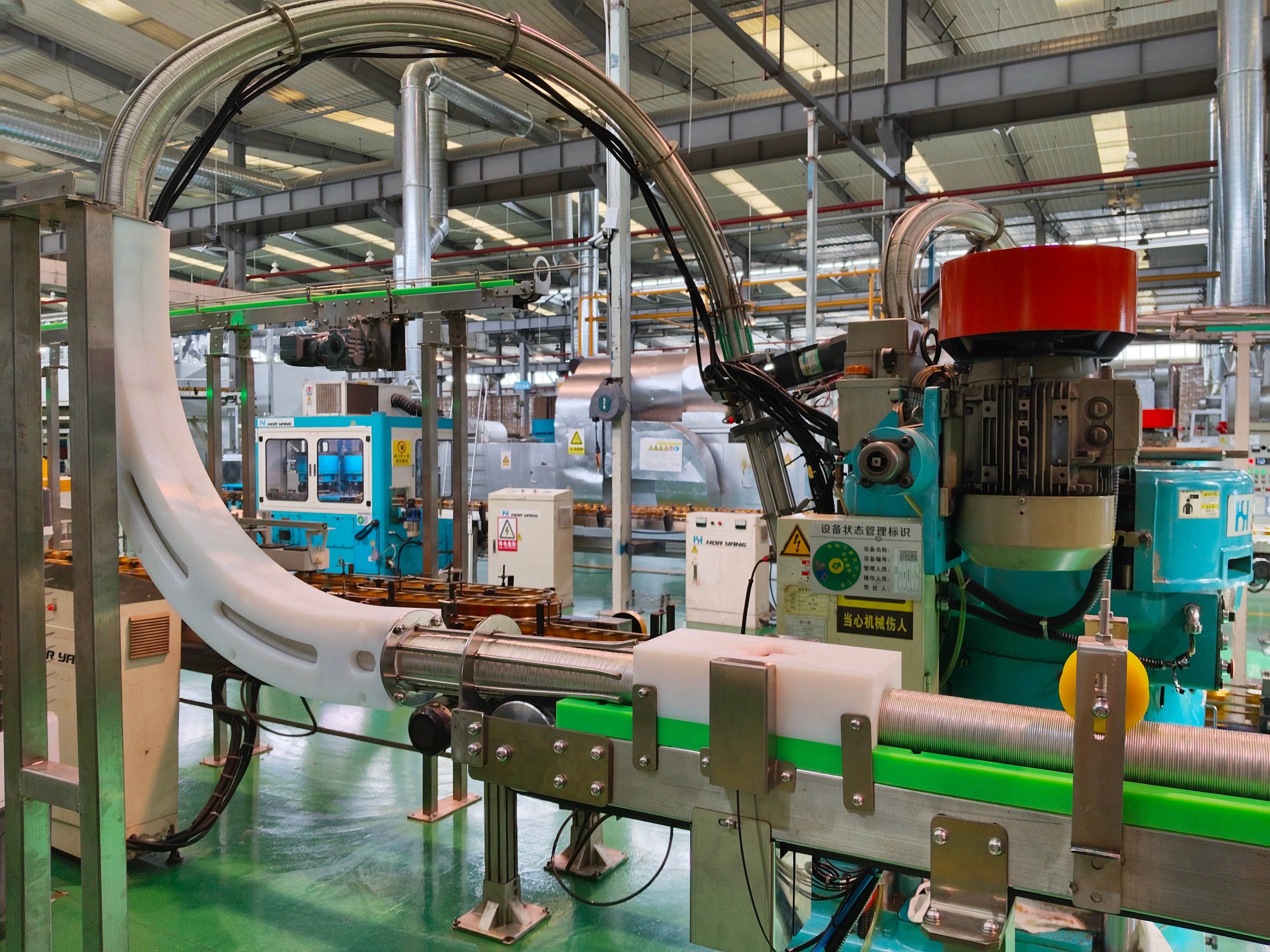
How to Choose an Automatic Can Lid Feeding Machine: Lanes, Loading Methods and Sealing Line Integration
An automatic can lid feeding machine removes the paper bags from palletized can lids and delivers the lids continuously to the sealing machine. Choosing the right one comes down to three decisions: the number of feeding lanes, the lid loading method, and how the feeder connects to your existing sealing machine. This guide explains each decision so you can match the equipment to your production capacity, labor availability and factory layout.
Key takeaways
- The number of feeding lanes (1, 2, 3 or 4) follows the required lid feeding speed, which follows your production capacity.
- There are three ways to load palletized paper-bagged lids into the feeder: manual transfer to a roller conveyor, robotic loading, and a lid depalletizer with a conveyor.
- The loading method can differ, but the downstream feeding process is the same: automatic paper bag removal, lid conveying and transfer to the sealing machine.
- A manual lid placement setup can be upgraded to a fully automatic feeder later.
What Is an Automatic Can Lid Feeding Machine?
An automatic can lid feeding machine is equipment for can production lines that takes bagged rows of can lids from a pallet supply, removes the paper bags automatically, and feeds the lids to the sealing machine without an operator placing them by hand.
Can lids are typically supplied in rows packed in paper bags and stacked on pallets. Without a feeder, an operator has to remove the bags and place the rows of lids on the sealing machine's lid conveyor. An automatic can lid feeder (also called a can lid feeding system or tin can lid feeder) takes over that work, so the sealing machine receives a steady supply of lids.
How Does an Automatic Can Lid Feeder Work?
An automatic can lid feeder works in four steps, and these steps are the same whichever loading method you use.
- Lid loading: the bagged rows of lids are delivered to the feeder by a roller conveyor, a robot, or a depalletizer with a conveyor.
- Automatic paper bag removal: the feeder removes the paper bags.
- Lid conveying: the unbagged lids enter the conveying system.
- Transfer to the sealing machine: the lids are delivered continuously to the sealing machine.
Only the first step changes between solutions. This is why you can choose a loading method based on your factory conditions without changing how the feeder itself operates.
How Many Feeding Lanes Do You Need?
The number of feeding lanes depends on the lid feeding speed your line requires, and that speed depends on your production capacity. The logic is:
Production Capacity → Required Lid Feeding Speed → Number of Feeding Lanes
Baoli's automatic can lid feeder is available with 1, 2, 3 or 4 lanes:
- Single-lane: suited to lower lid feeding demand.
- Double-lane: suited to higher lid feeding demand.
- Triple-lane: suited to higher-capacity production lines.
- Four-lane: suited to high-capacity applications.
Because the right lane count depends on your line speed and lid specification, confirm it with your supplier using your actual capacity requirement rather than choosing by size alone.
Which Lid Loading Method Should You Choose?
The best lid loading method depends on capacity, labor availability, factory space and how pallets are handled in your plant. All three methods start from the same supply: rows of lids packed in paper bags on pallets. They differ in how those rows are transferred from the pallet into the feeder.
| Loading Method | How It Works | Best Suited To |
|---|---|---|
| Manual transfer to roller conveyor | Operator moves bagged rows from the pallet onto a roller conveyor or loading hopper | Simple structure, lower initial investment, sites where manual handling is convenient |
| Robotic lid loading | Robot picks bagged rows from the pallet and places them into the feeder inlet | Reduced manual handling, continuous loading, specific space layouts |
| Lid depalletizer + conveyor | Depalletizer unloads the pallet layer by layer onto a conveyor that feeds the feeder | Higher capacity, full-pallet supply, continuous automatic production |
The roller conveyor method adds one manual handling step between the pallet and the feeder, but the feeder still removes the paper bags automatically. Robotic loading and depalletizer loading reduce that manual step further. For details on each option, see Baoli's automatic can lid feeding machine page.
Manual Lid Placement vs Automatic Lid Feeding
Manual lid placement means the operator removes the paper bags by hand and places the rows of lids directly on the lid conveyor connected to the sealing machine. It suits lower capacity and limited budgets, but it requires an operator to load lids continuously, so labor input directly affects the lid supply to the sealing machine.
Automatic lid feeding removes the bags and conveys the lids automatically. The lid conveyor is normally supplied together with the lid feeder and can be adjusted to the site layout. If you start with manual placement, the setup can later be upgraded to a fully automatic feeding system as your capacity grows.
What Information Do Suppliers Need to Recommend a Configuration?
To recommend a lane configuration and loading method, a supplier needs your lid and line details. Prepare the following before you request a quotation:
- Lid diameter and lid type
- Production capacity and required feeding speed
- Number of lanes you are considering
- Paper bag packaging format
- Pallet size and arrangement
- Factory layout
- Existing sealing machine
- Current lid supply method
With this information, Baoli can recommend the appropriate feeding lane configuration and lid loading method for your production line.
Common Questions About Can Lid Feeding Machines
What is a can lid feeding machine used for?
It supplies can lids to the sealing machine on a can production line, replacing manual lid placement.
Are the lids supplied in paper bags?
Yes. Lids are supplied in rows packed in paper bags and stacked on pallets, and the automatic feeder removes the bags.
Does the downstream process change with the loading method?
No. The loading method changes, but automatic bag removal, lid conveying and transfer to the sealing machine remain the same.
Can I choose 1, 2, 3 or 4 feeding lanes?
Yes. The lane count is selected according to the required lid feeding speed and your production capacity.
Can I upgrade from manual lid placement to an automatic feeder later?
Yes. A manual placement setup can later be upgraded to a fully automatic feeding system.
Conclusion
To choose an automatic can lid feeding machine, decide the lane count from your required feeding speed, pick the loading method that fits your labor, space and pallet handling, and confirm compatibility with your sealing machine. Because the downstream process is the same across all loading methods, you can start with the simplest setup and upgrade later.
Need a recommendation? Send Baoli your lid diameter, production capacity, pallet configuration and factory layout, and we will suggest the right feeding configuration. Request a Can Lid Feeding Solution