
 EN
EN
 AR
AR
 HR
HR
 DA
DA
 NL
NL
 FI
FI
 FR
FR
 DE
DE
 EL
EL
 HI
HI
 IT
IT
 JA
JA
 KO
KO
 NO
NO
 PL
PL
 PT
PT
 RO
RO
 RU
RU
 ES
ES
 SV
SV
 TL
TL
 IW
IW
 ID
ID
 LT
LT
 SR
SR
 VI
VI
 SQ
SQ
 HU
HU
 TH
TH
 TR
TR
 AF
AF
 MS
MS
 GA
GA
 BN
BN
 HA
HA
 IG
IG
 MR
MR
 NE
NE
 YO
YO
 MY
MY
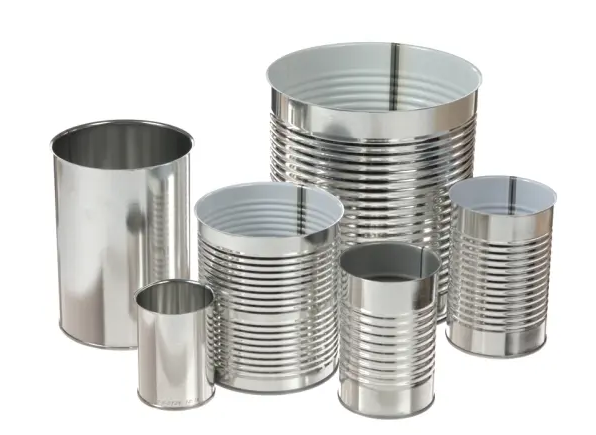
How to Build a High-Quality Aluminum Can Production Line?
For beverage brands and can manufacturers, investing in a state-of-the-art aluminum two-piece can production line is crucial for meeting market demands for quality, efficiency, and sustainability. This guide outlines the fundamental steps and core equipment required to establish a high-volume, reliable manufacturing operation.
Step 1: Planning and Design
The journey begins with meticulous planning. Assess your target output, can sizes (e.g., 200ml, 330ml, 500ml), and specific quality standards. This phase determines the scale and configuration of your aluminum can making machinery.
Step 2: Procuring the Core Stamping and Drawing Equipment-DWI can making equipment list:
The heart of a two-piece can manufacturing process is the body forming system. You will need:
Cupping Press: Transfers aluminum coil into shallow cups.
Drawing and Wall Ironing (DWI) Presses: A series of presses that draw and thin the cup walls to form the final can body without seams. This is the defining technology for modern aluminum beverage can production.
Step 3: Washing and Coating-automated can printing and coating line
Newly formed cans must be cleaned and prepared for decoration:
Can Washer: Removes lubricants and residues from the forming process.
Internal Spray Machine: Applies a protective coating to the can's interior to prevent corrosion and preserve flavor.
Base Coater/Printer and Oven: Applies the brand's design through high-speed printing and then cures the ink in a drying oven.
Step 4: Necking and Flanging.-efficient can necking and flanging technology
Before sealing, the can's open end must be shaped:
Necking Machines: Gradually reduce the can's diameter at the top to form the neck, saving material and allowing for a smaller, more cost-effective end.
Flanger: Forms a outward curl or flange at the neck to receive the lid (end) during seaming.
Step 5: Quality Inspection and Testing-high-speed aluminum can body maker machine
No line is complete without rigorous checks. Automatic can inspection systems use cameras and sensors to detect defects like dents, pinholes, or coating flaws, ensuring only perfect cans proceed.
A Critical Efficiency Tip: Source Packaging Equipment Directly-direct factory price can palletizer machine
Once cans are produced, they must be efficiently prepared for shipment. For the downstream packaging phase—handling empty cans—we strongly advise sourcing equipment like high-speed can palletizers, automatic can conveyor systems, stretch wrapping machines, and strapping machines directly from specialized manufacturers of empty can packaging solutions.
Why? Direct procurement from factory specializing in can handling and palletizing equipment significantly reduces costs by eliminating intermediary markups. More importantly, these experts design equipment with a deep understanding of can integrity, minimizing scuffing, denting, and deformation. This leads to extremely low defect rates in secondary packaging and maximizes overall production line efficiency, protecting your primary product's quality right until dispatch.
Step 6: Integration and Automation-low-defect empty can handling system
Finally, integrating all components—from coil feeding to palletized output—into a synchronized, automated line controlled by a central system is key to achieving a high-speed automatic can manufacturing line.
Building a successful can line is a major investment. Partnering with the right equipment manufacturers for both core and packaging processes is the foundation for long-term profitability and quality.