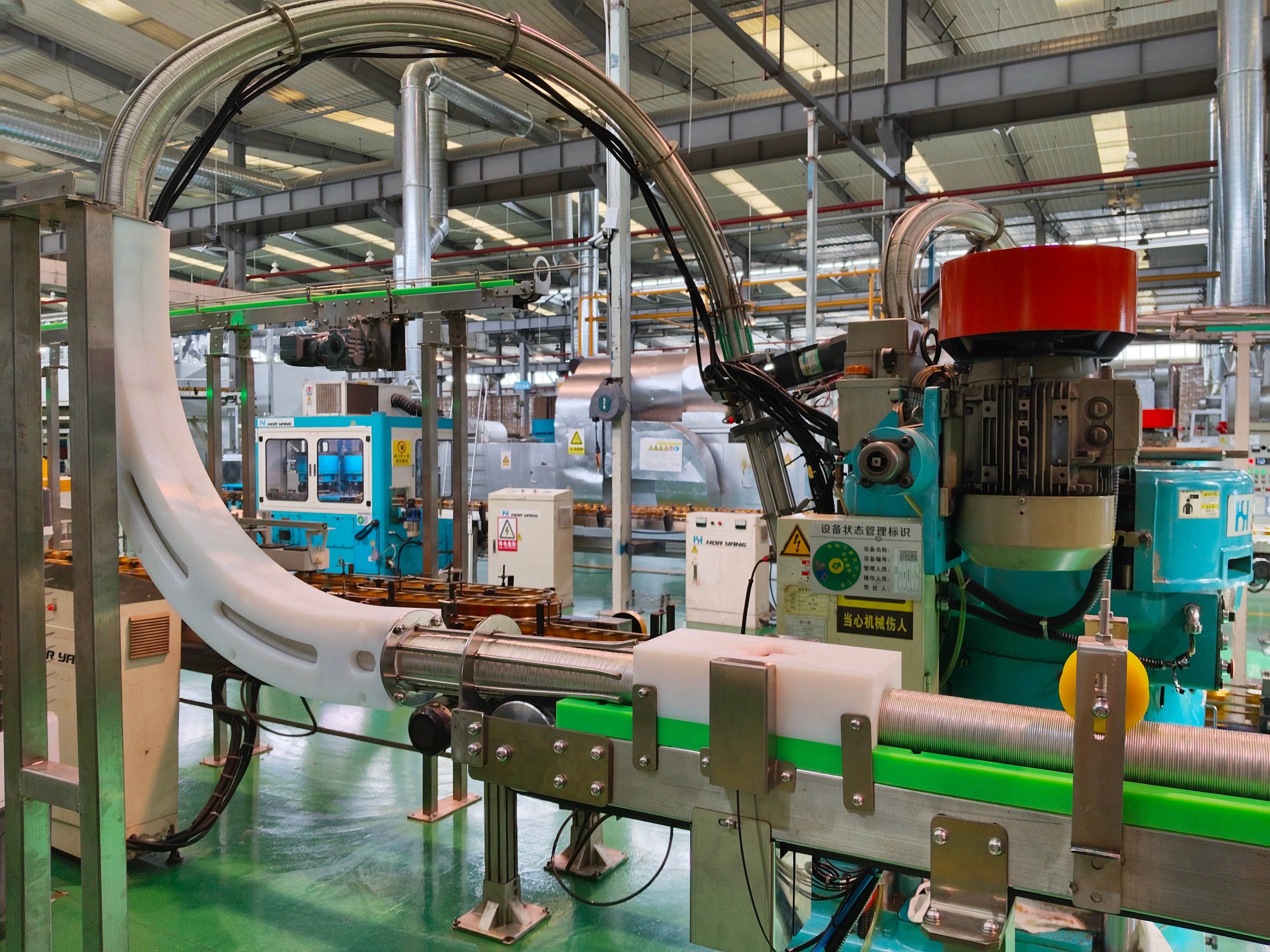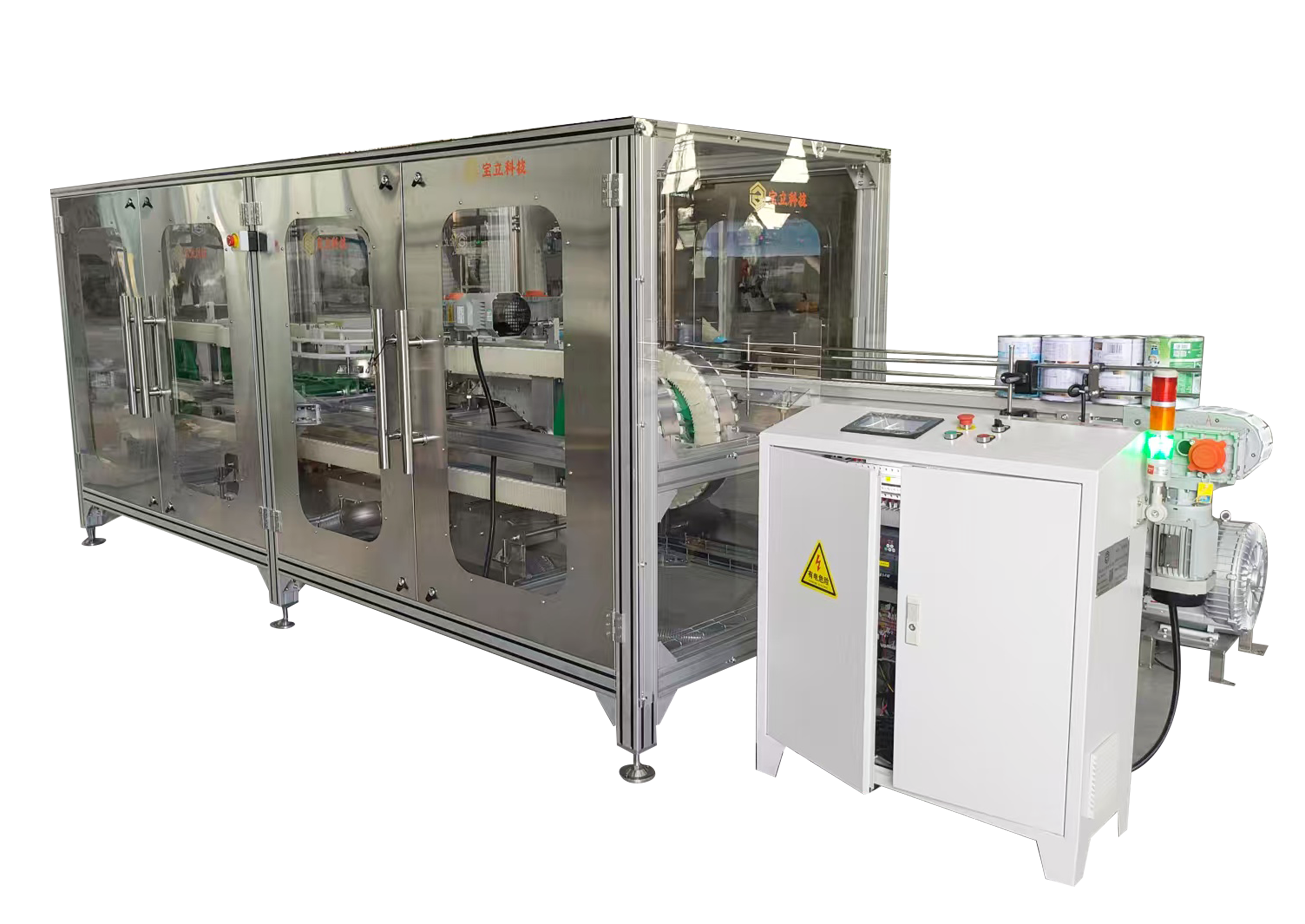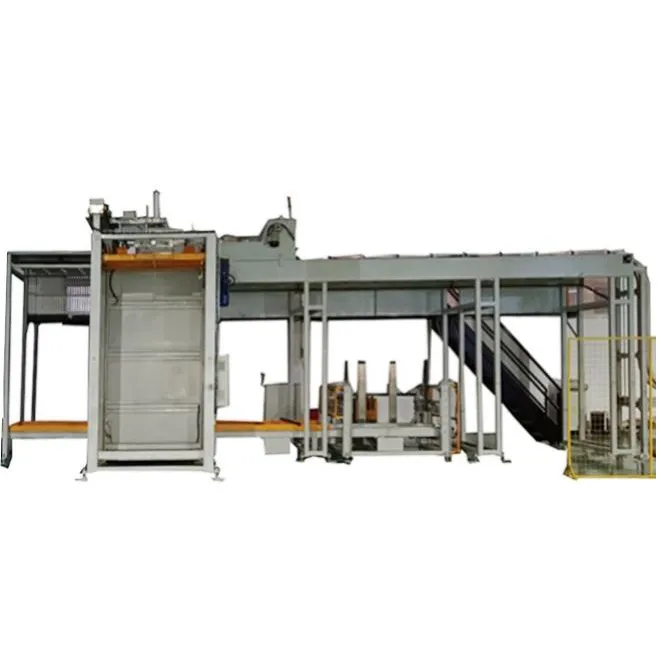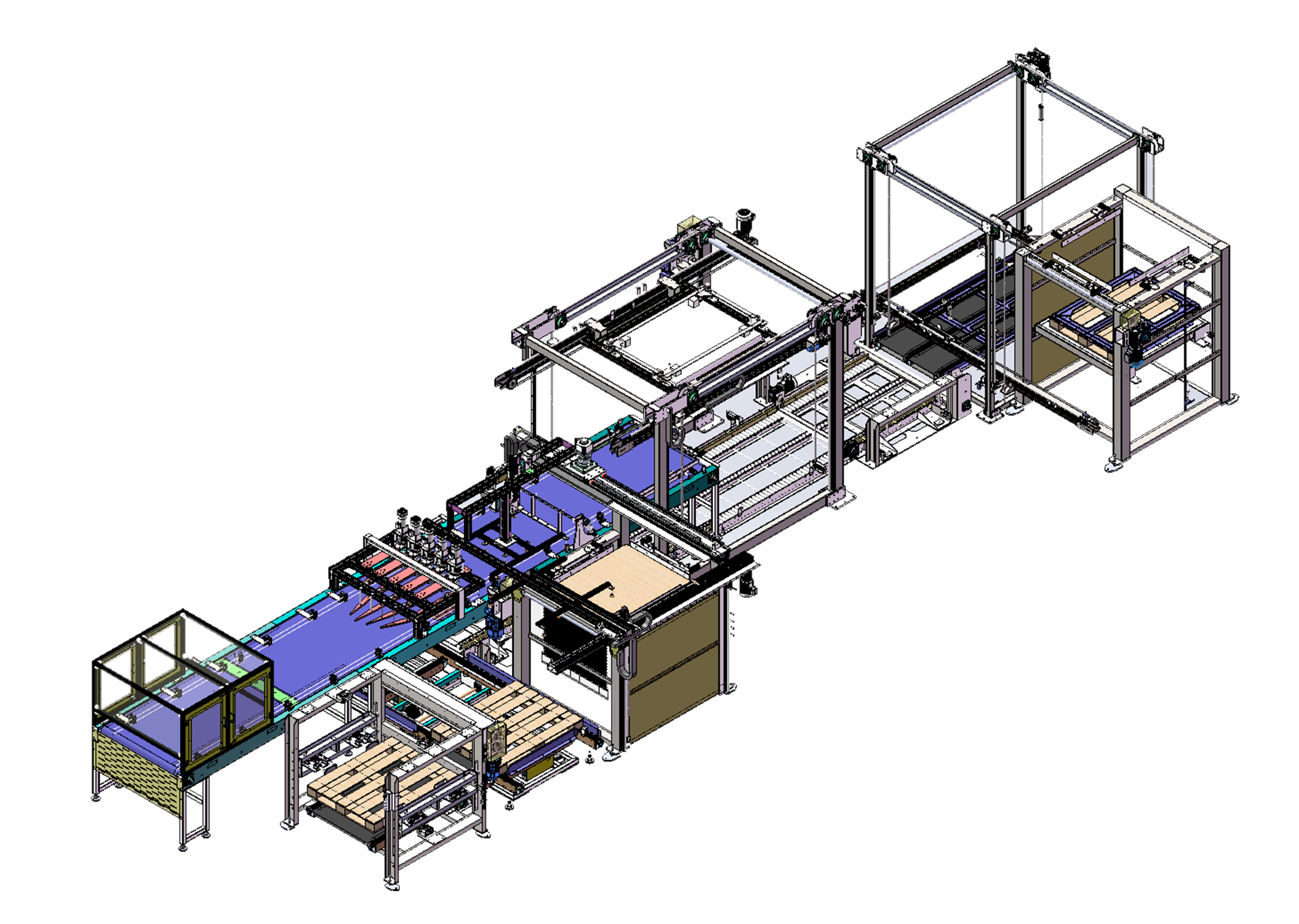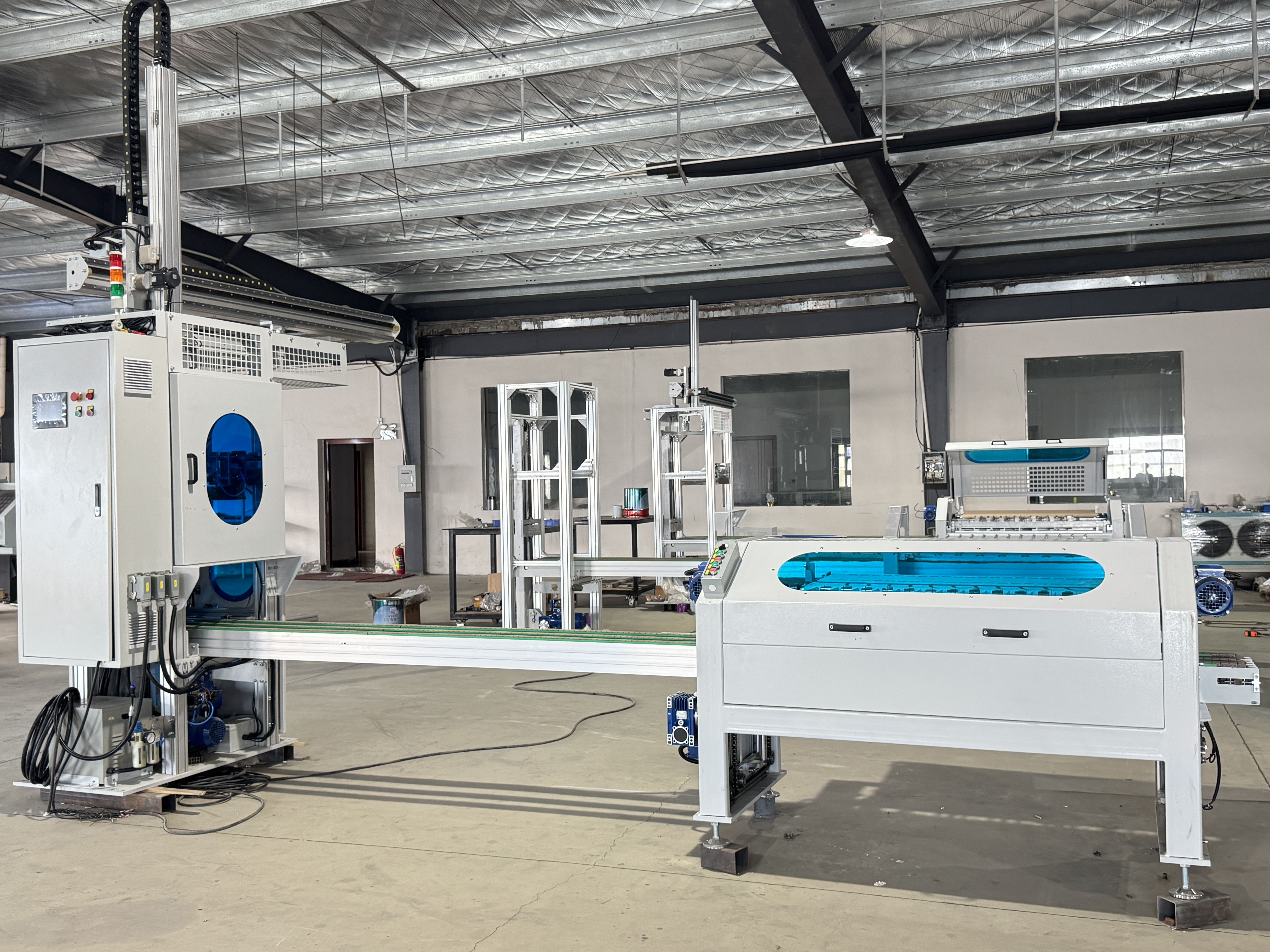
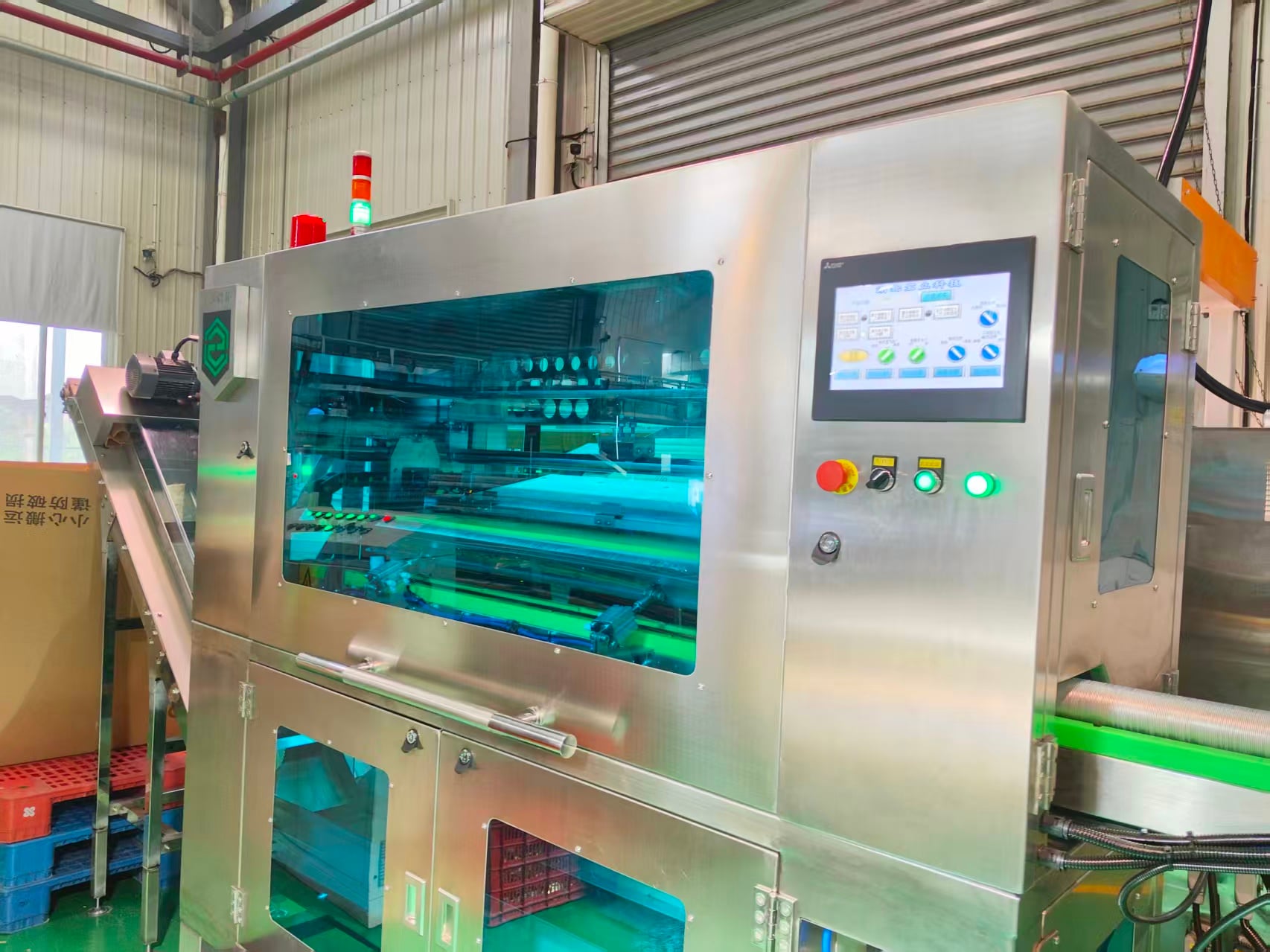
An automatic can lid feeding machine takes palletized, paper-bagged can lids, removes the bags automatically, and delivers the lids continuously to the sealing machine. Baoli offers 1–4 feeding lanes and three lid loading methods, so you can choose according to production capacity, labor availability and factory layout.
Process: Palletized Paper-Bagged Lids → Lid Loading → Automatic Lid Feeder → Automatic Paper Bag Removal → Lid Conveying → Sealing Machine
The loading method can differ, but the downstream feeding process is the same.
Four Lid Supply Methods at a Glance
Baoli supplies can lids to the sealing machine in four ways: one manual method without a feeder, and three automatic loading methods that use the can lid feeder.
- Manual Placement: bag removal is manual; the operator places the lids directly on the lid conveyor; no lid feeder is used.
- Roller Conveyor Loading: bag removal is automatic; the pallet-to-feeder transfer is manual; a lid feeder is used.
- Robotic Loading: bag removal is automatic; the pallet-to-feeder transfer is done by a robot; a lid feeder is used.
- Depalletizer + Conveyor: bag removal is automatic; the pallet-to-feeder transfer is done by a depalletizer and conveyor; a lid feeder is used.
Choose 1, 2, 3 or 4 Feeding Lanes
Production capacity determines the required lid feeding speed, and the required feeding speed determines the number of feeding lanes. Lane configuration applies to the automatic can lid feeder.
Single-Lane Can Lid Feeder
Suited to lower lid feeding demand.
Double-Lane Can Lid Feeder
Suited to higher lid feeding demand.
Triple-Lane Can Lid Feeder
Suited to higher-capacity production lines.
Four-Lane Can Lid Feeder
Suited to high-capacity applications.
Production Capacity → Required Lid Feeding Speed → Number of Feeding Lanes → Select Lid Loading Method → Complete Automatic Lid Feeding System
Three Ways to Load Palletized Lids into the Automatic Feeder
All lids are supplied in rows packed in paper bags and stacked on pallets. The three automatic loading methods differ only in how the bagged rows of lids are transferred from the pallet into the lid feeding machine.
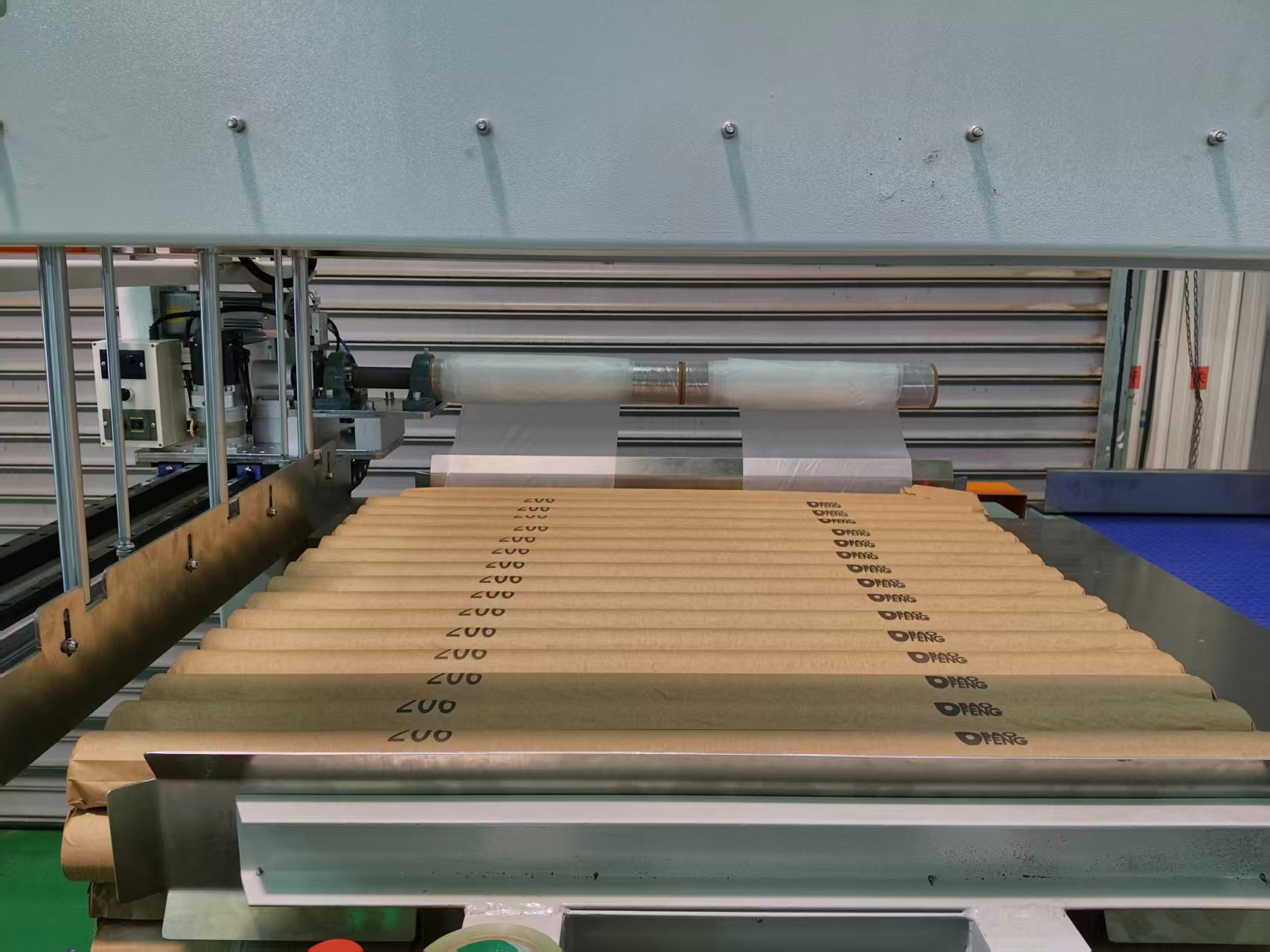
Option 1: Manual Transfer to Roller Conveyor
Flow: Pallet → Manual Transfer → Roller Conveyor / Loading Hopper → Lid Feeder
The operator moves the paper-bagged rows of lids from the pallet onto the roller conveyor or loading hopper. Paper bag removal is done automatically by the feeder.
Suited to: simple structure, lower initial investment, sites where manual handling is convenient.
Limitation: adds one manual handling step between the pallet and the feeder.
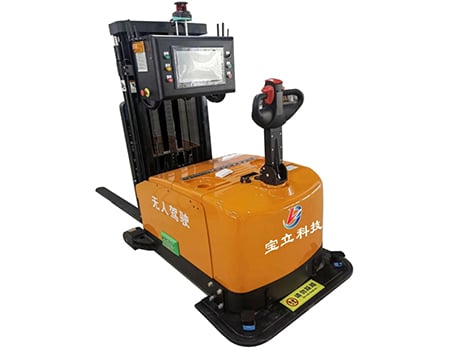
Option 2: Robotic Lid Loading
Flow: Pallet → Robot → Lid Feeder
The robot picks up the paper-bagged rows of lids from the pallet and places them directly into the inlet of the automatic lid feeding machine.
Suited to: reduced manual handling, continuous automatic loading, specific space layouts.
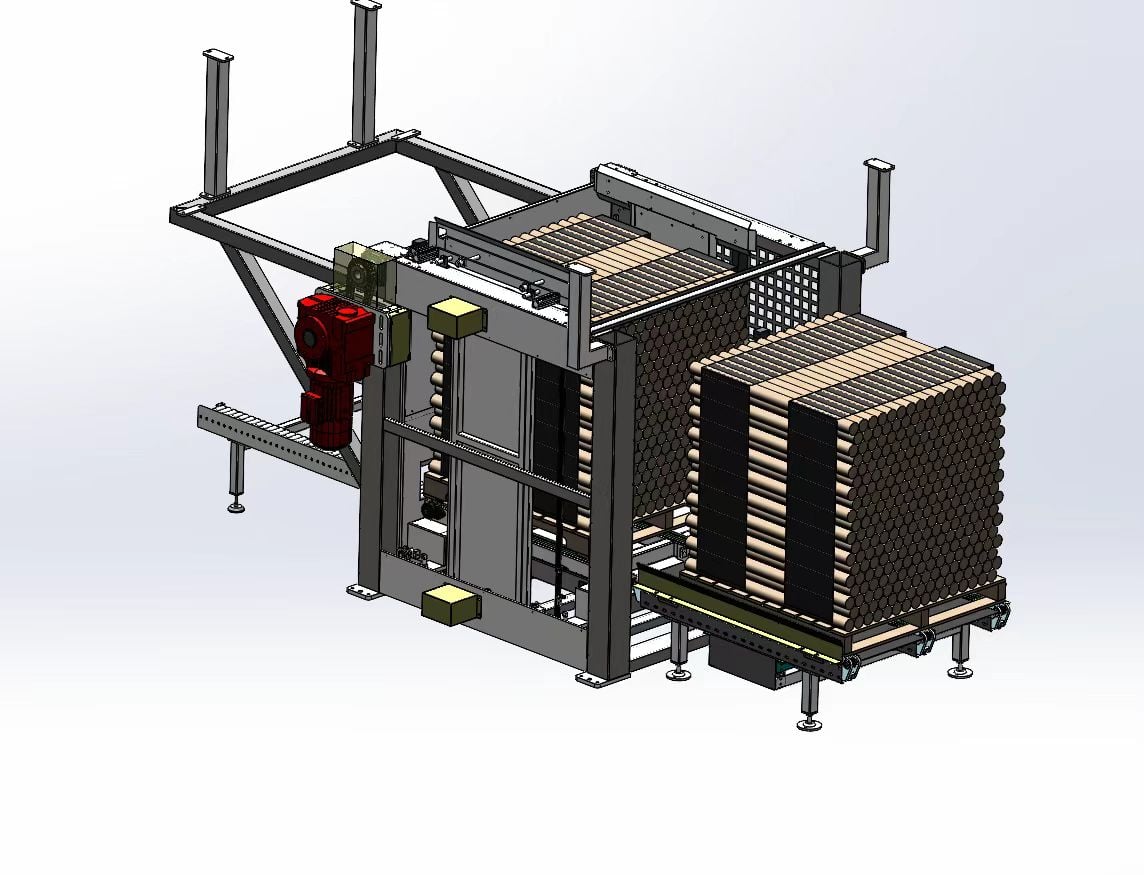
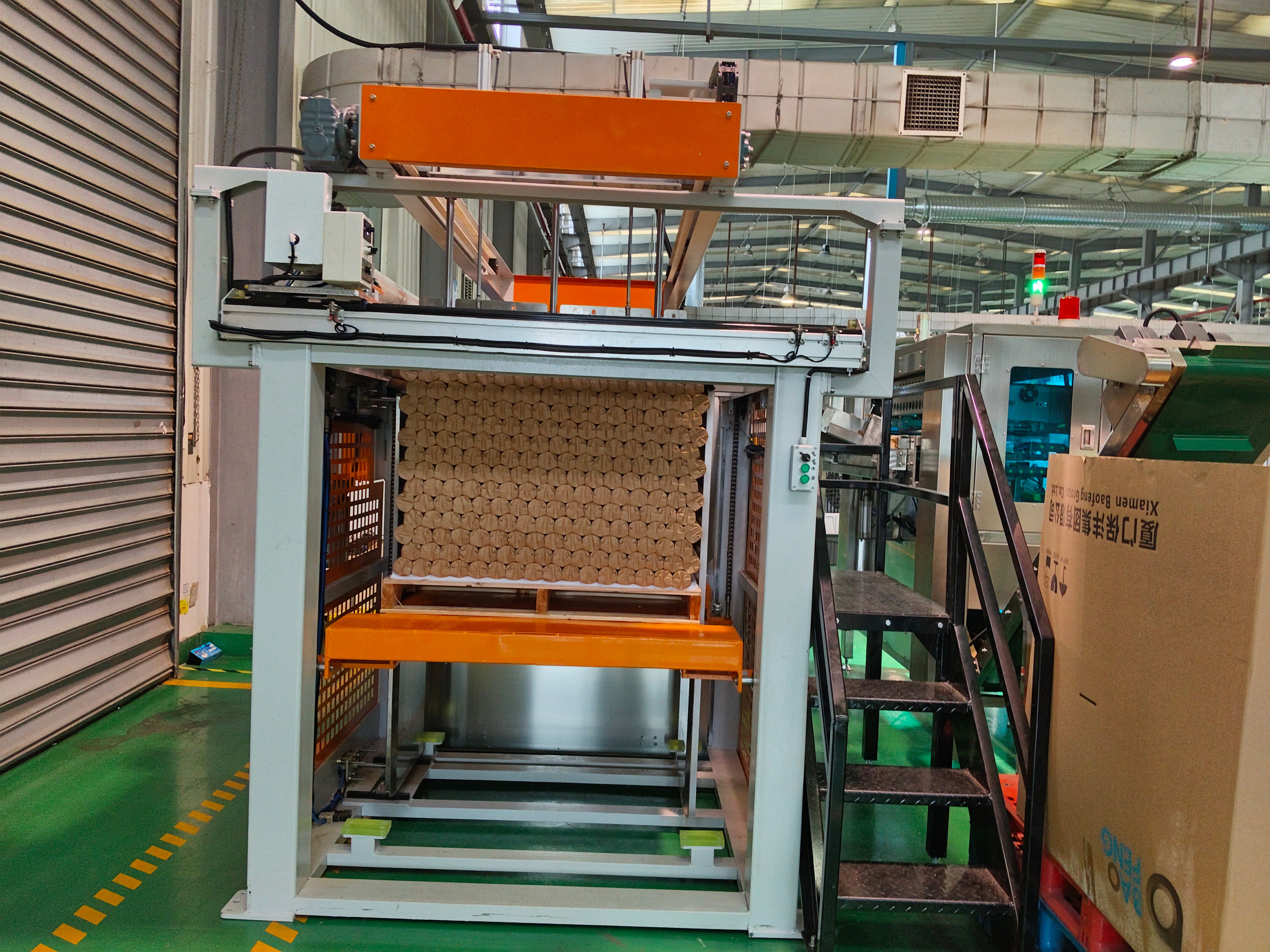
Option 3: Lid Depalletizer + Conveyor
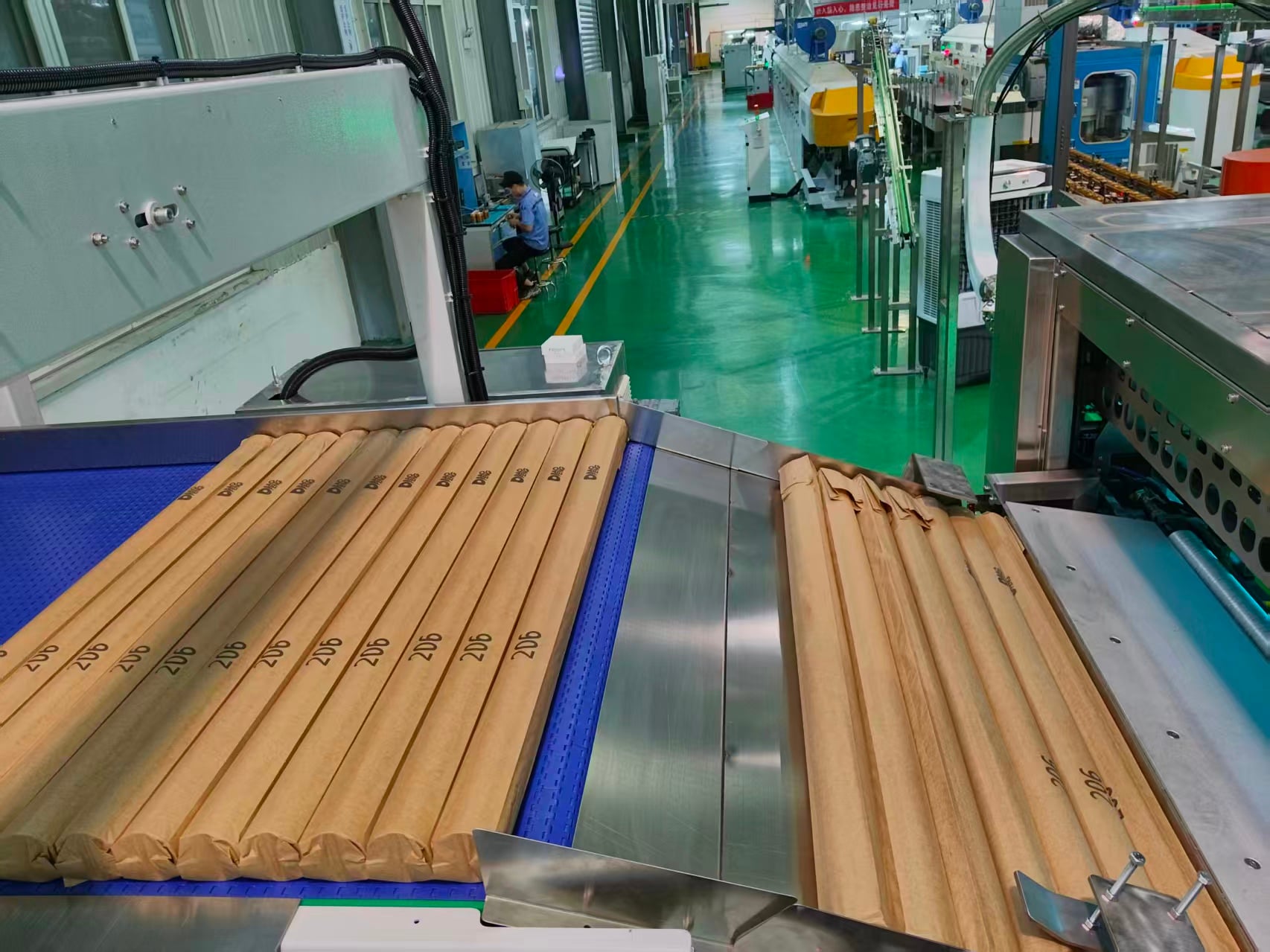
Flow: Pallet → Lid Depalletizer → Conveyor → Lid Feeder
The lid depalletizer unloads palletized paper-bagged lids layer by layer onto a conveyor, which delivers the packaged rows to the lid feeding machine.
Suited to: higher capacity, full-pallet lid supply, continuous automatic production.
The Downstream Feeding Process Is the Same
Whichever automatic loading method you choose, the feeder performs the same four steps. Only the loading method changes.
1. Lid Loading: roller conveyor, robot or depalletizer delivers bagged lids to the feeder.
2. Automatic Paper Bag Removal: the feeder removes the paper bags.
3. Lid Conveying: unbagged lids enter the conveying system.
4. Transfer to Sealing Machine: lids are delivered continuously to the sealing machine.
How to Choose the Right Lid Supply Method
The right method depends on production capacity, labor availability, factory space, pallet handling and your existing sealing machine.
- Low capacity, minimal investment: Manual Placement
- Automatic bag removal, manual pallet handling acceptable: Roller Conveyor Loading
- Reduce labor, limited floor space: Robotic Loading
- Full pallets, high capacity, continuous production: Depalletizer + Conveyor
Manual Lid Placement and Upgrade Path
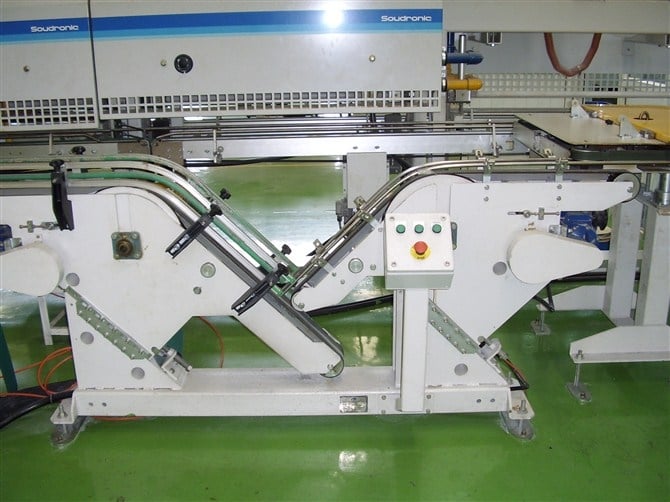
With manual placement, the operator removes the paper bags and places the rows of lids directly on the lid conveyor connected to the sealing machine. It suits lower capacity and limited budgets. The lid conveyor is normally supplied together with the lid feeder and can be adjusted to the site layout. This setup can later be upgraded to a fully automatic feeding system.
Why Choose Baoli for Can Lid Feeding Equipment
- Designed for can production lines and can packaging applications.
- 1–4 lanes and multiple loading methods, from manual to fully automatic.
- Complete integration of robot, depalletizer, conveyor and lid feeder.
- Upgradeable from manual placement to fully automatic feeding.
The system is configured around your capacity, factory space, pallet handling, labor availability and existing equipment.
Customized Can Lid Feeding Solutions
To recommend the lane configuration and loading method, Baoli needs the following information:
- Lid diameter and lid type
- Production capacity and number of lanes
- Paper bag packaging format
- Pallet size and arrangement
- Factory layout
- Existing sealing machine
- Current lid supply method
Applications
- Tinplate can production lines
- Food can production
- Beverage can production
- Can filling and sealing lines
- High-speed can packaging lines
Frequently Asked Questions
What is an automatic can lid feeding machine?
It is a machine that removes the paper bags from palletized can lids and delivers the lids continuously to the sealing machine, without manual lid placement.
Are the lids supplied in paper bags?
Yes. Lids are supplied in rows packed in paper bags and stacked on pallets. The automatic feeder removes the bags automatically.
How are palletized lids loaded into the feeder?
There are three methods: manual transfer to a roller conveyor, robotic loading, or a lid depalletizer with a conveyor.
What is the difference between roller conveyor, robot and depalletizer loading?
Roller conveyor loading uses an operator to move bagged lids to the conveyor. The robot places them directly into the feeder inlet. The depalletizer unloads the pallet layer by layer and a conveyor delivers the lids to the feeder.
Does the downstream process change between the three methods?
No. The loading method changes, but the downstream process remains the same: automatic paper bag removal, lid conveying and transfer to the sealing machine.
Can I choose 1, 2, 3 or 4 lanes, and how do I choose?
Yes. Production capacity determines the required lid feeding speed, which determines the number of lanes. Baoli recommends a configuration based on your capacity and factory layout.
Can I place lids manually and upgrade to automatic later?
Yes. With manual placement the operator removes the bags and places the lids on the sealing machine lid conveyor. The setup can later be upgraded to automatic feeding.
Can Baoli design the complete lid feeding system?
Yes. Baoli can configure the robot, depalletizer, conveyor and lid feeder according to your project requirements.
Need a Can Lid Feeding Solution?
Send us your lid diameter, capacity, lane requirement, pallet configuration and factory layout. Baoli will recommend the right loading method and feeding configuration.
Request a Can Lid Feeding Solution
Copyright © Hubei Baoli Technology Co., Ltd. All Rights Reserved - Blog - Privacy Policy
 EN
EN
 AR
AR
 HR
HR
 DA
DA
 NL
NL
 FI
FI
 FR
FR
 DE
DE
 EL
EL
 HI
HI
 IT
IT
 JA
JA
 KO
KO
 NO
NO
 PL
PL
 PT
PT
 RO
RO
 RU
RU
 ES
ES
 SV
SV
 TL
TL
 IW
IW
 ID
ID
 LT
LT
 SR
SR
 VI
VI
 SQ
SQ
 HU
HU
 TH
TH
 TR
TR
 AF
AF
 MS
MS
 GA
GA
 BN
BN
 HA
HA
 IG
IG
 MR
MR
 NE
NE
 YO
YO
 MY
MY